
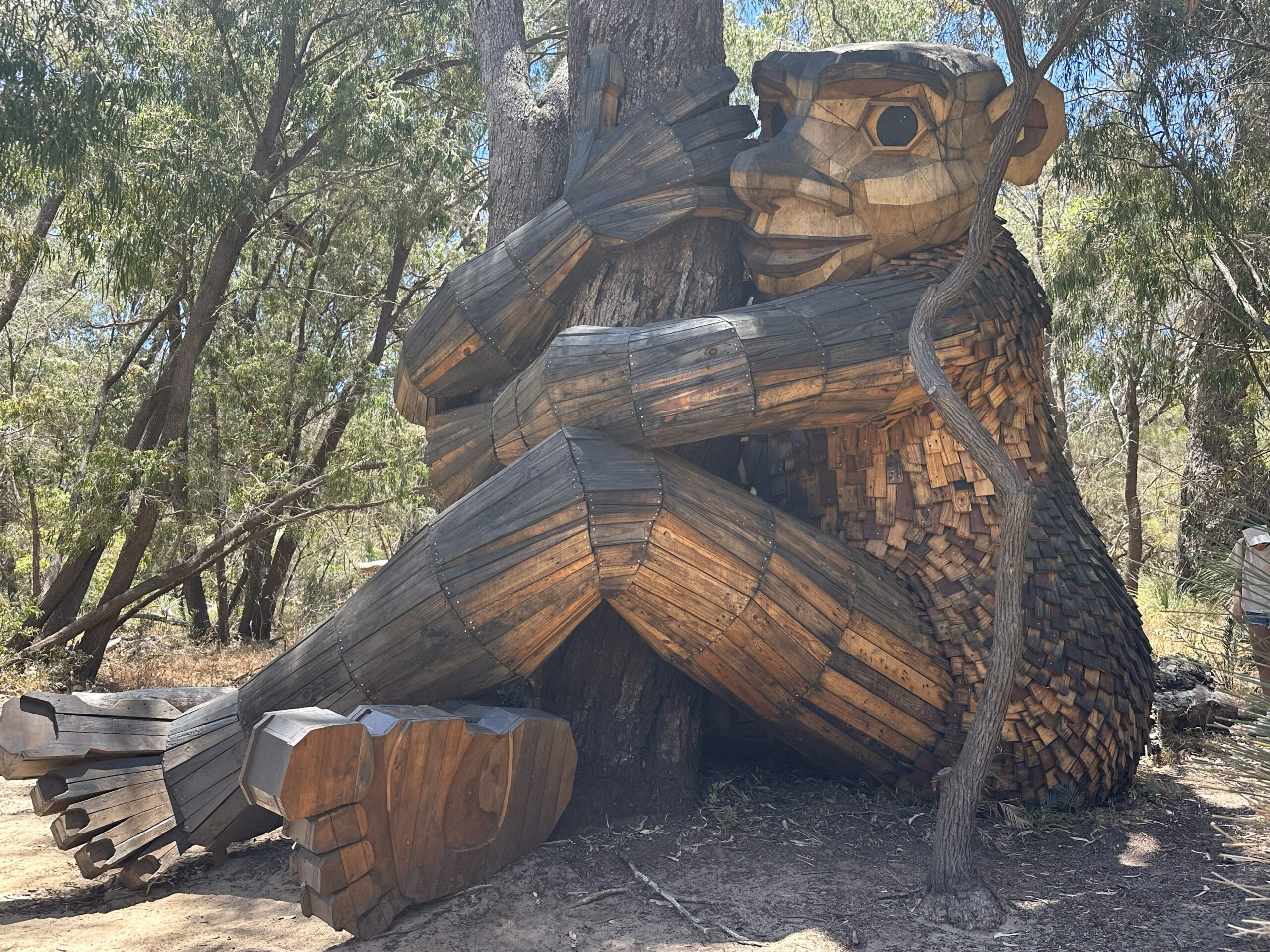
We started the next leg of our travels on the winding roads in the fertile valleys of Margaret River.
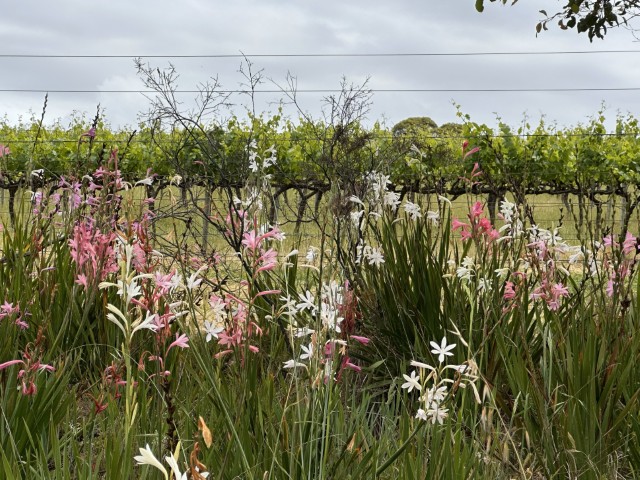
Western Australia produces world class wines. Most of Western Australia wines are cultivated in the Margaret River region. We camped amongst the vineyards at Glenbrae Gardens. While exploring the area, we crisscrossed through vineyards lined with flowering watsonias.
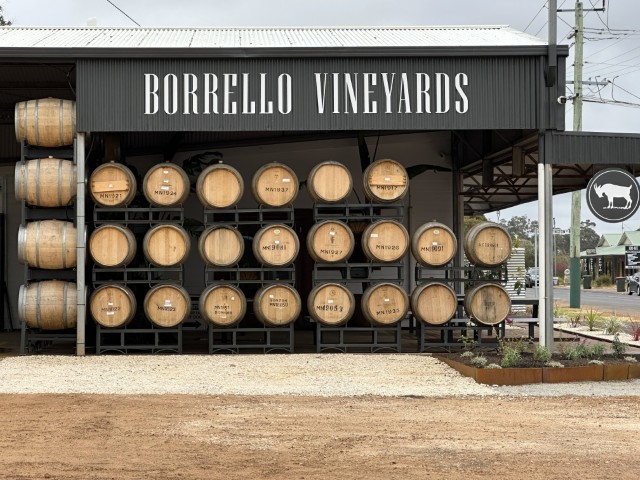
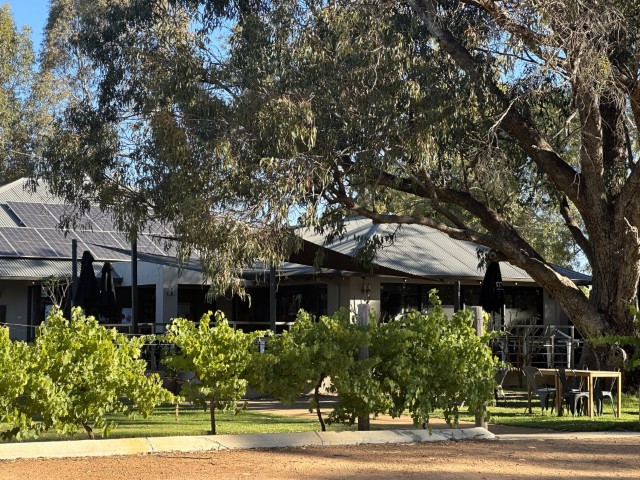
Cellar doors are scattered through the region. Borrello Vineyards in Witchcliffe was one of the cellar doors we visited.
We did a daytrip north to Busselton. This coastal town is best known for the longest timber pile jetty in the southern hemisphere.
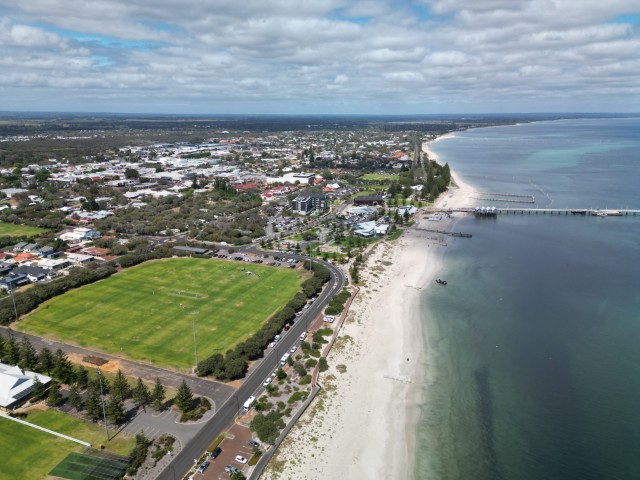
The Busselton jetty is 1.8km long. At the end of the jetty is one of only six underwater aquariums in the world named Busselton Jetty Underwater Observatory. The observatory descents 8m down showcasing 300 different species of marine life.
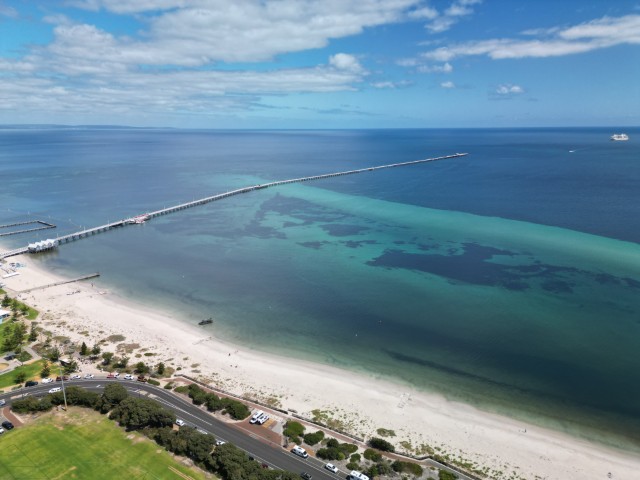
Whether you want to walk the jetty, take the train or visit the observatory, your first stop is the ticket office. We decided to walk the 3.6km to the aquarium and back as passengers were disembarking a liner, flooding Busselton.
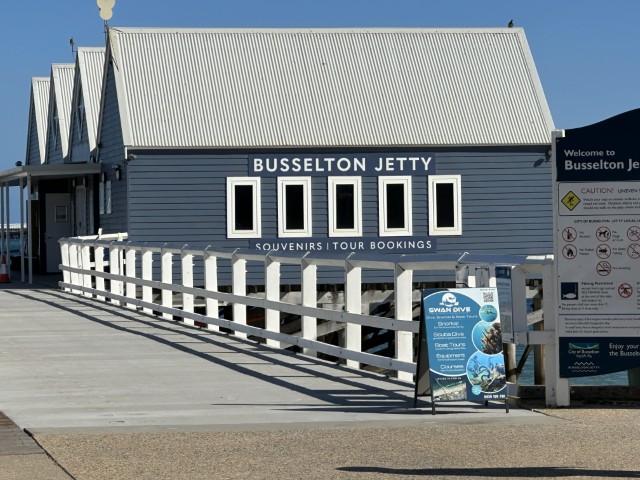
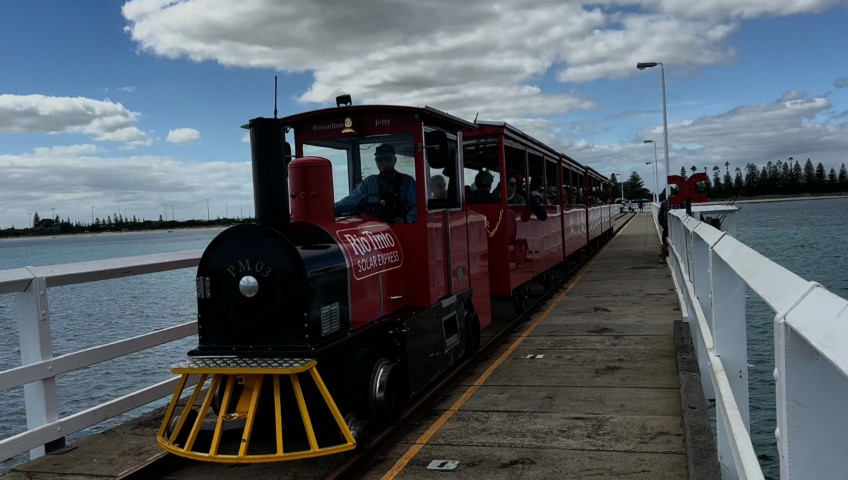
The ticket to the observatory includes a return trip on the solar powered train, for those not keen to walk. The Busselton jetty train takes 45 minutes for the round trip to the observatory.
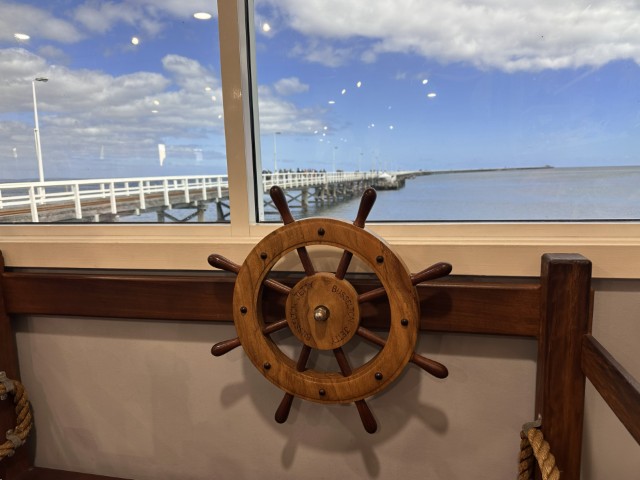
After the walk, we visited the souvenir shop in the ticket office where kids can steer the ship 🙂
The Busselton esplanade was developed to cater for all ages. We completely underestimated how commercialised Busseleton was. From picnic spots to restaurants and even a brewery where a cold one is awaiting you. Tourists, travellers and passengers from liners flood the town, jetty and esplanade.
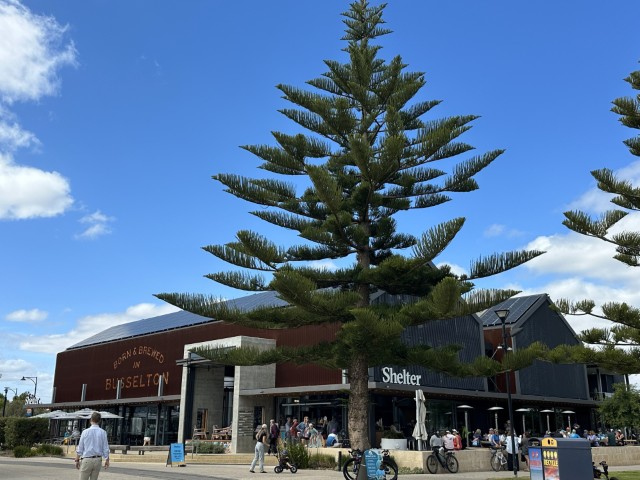
From Busselton we followed the rugged coast west to Cape Naturaliste. We stopped at a few beaches and places of interest on the way. Point Picquet was a good vantage point over Gannet Rock .
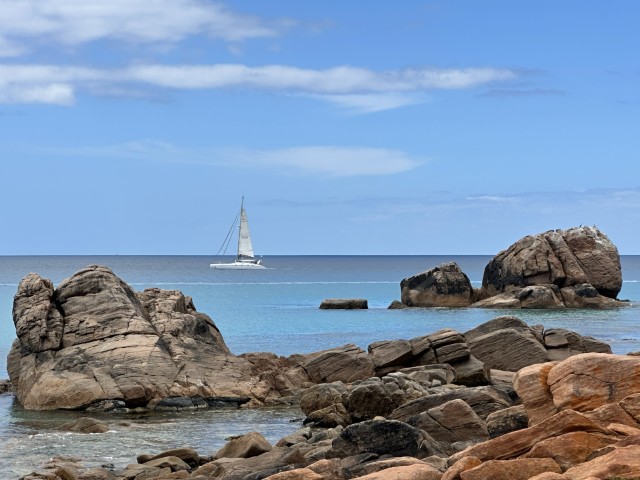
Sugarloaf Rock is another interesting rock formation on the coast.
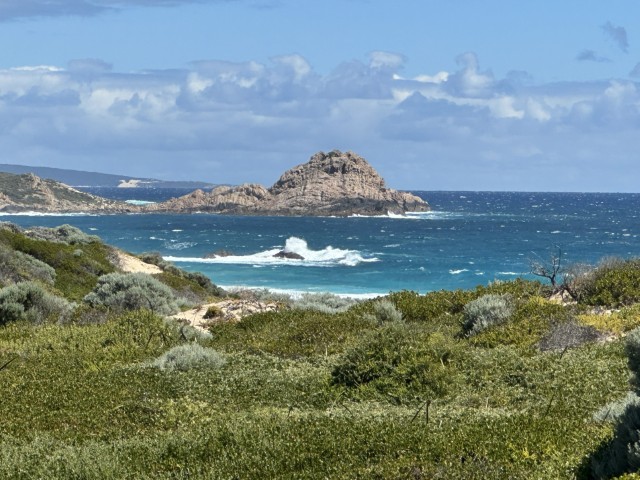
We stopped for lunch at Meerlup Beach near Dunsborough, with sweeping views over the calm turquoise water.
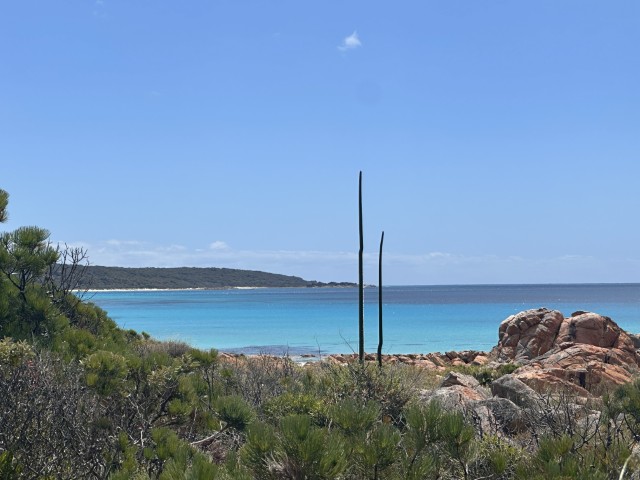
At Canal Rocks near Yallingup the waves are pushed through a narrow channel.
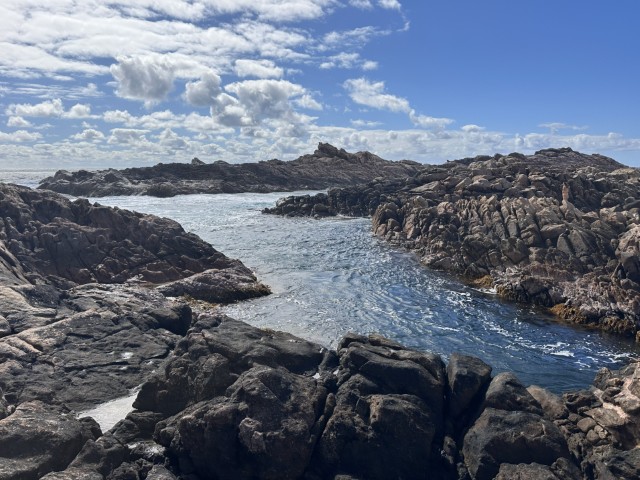
The bridge over Canal Rocks is a perfect spot to watch the the water gushing through the channel.
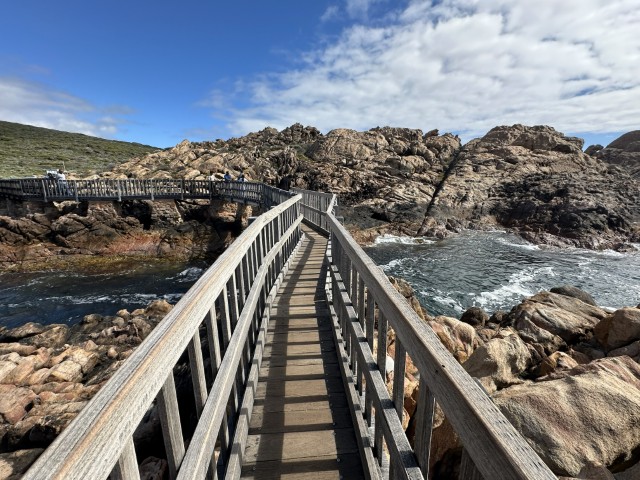
It was a pretty spot with wildflowers lining the track to Canal Rocks.
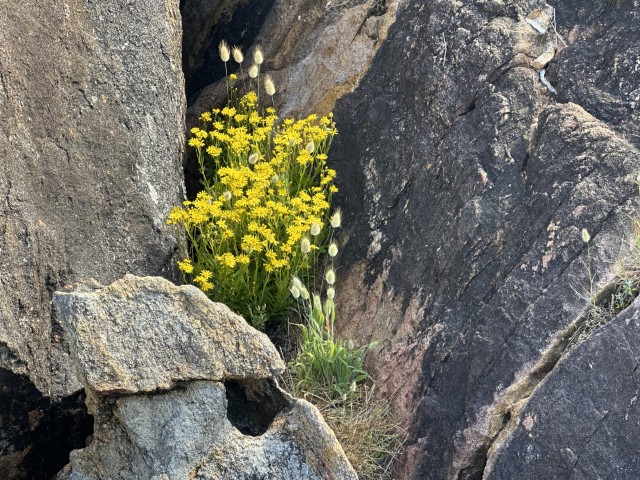
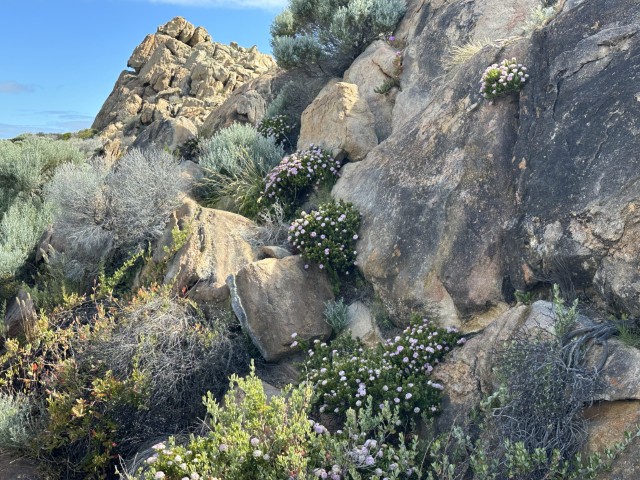
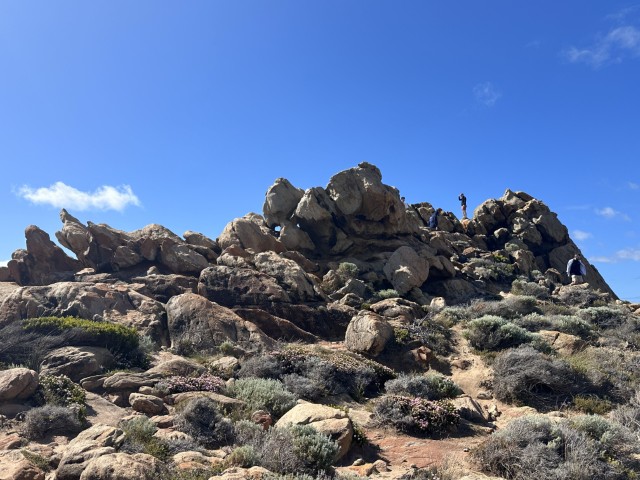
Many visitors climb the rocky outcrop at Canal Rocks to get a better view of the water pushing through the channel.
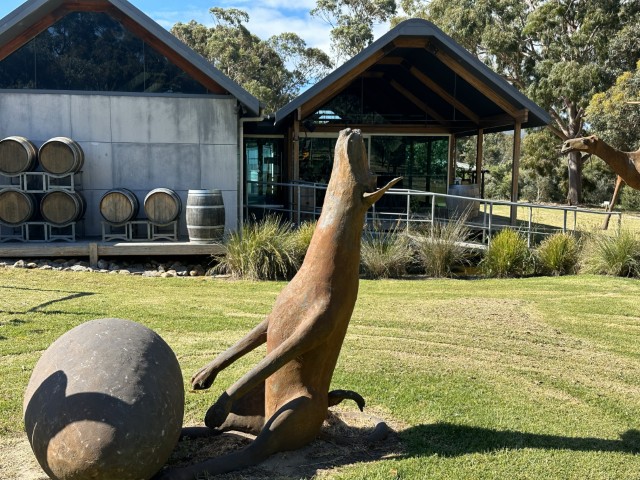
On the way back we stopped at Swings & Roundabouts Winery.
We did a daytrip to Wellington Dam near Collie. Wellington Dam wall mural is the largest dam wall mural in the world. This mural was done by a young Australian artist Guido Van Helten who became world renowned for his international murals. To paint this 8000m² concrete canvas you need more than just painting skills. Abseiling, working from platforms and at heights were daily challenges. At night he would retreat to his bush campsite where he stayed for a few months while painting the mural he dubbed Reflections.
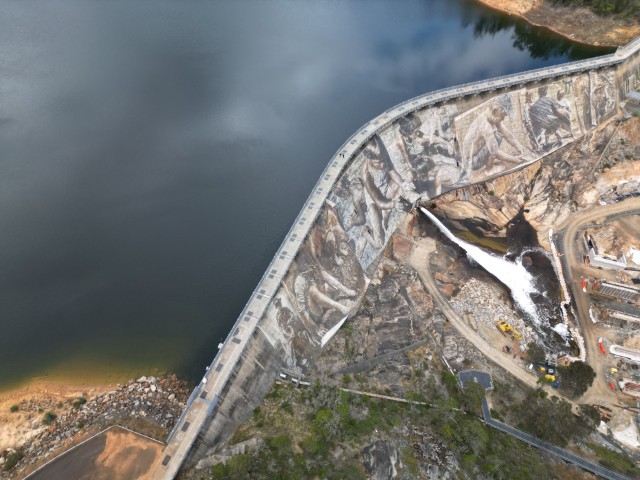
Wellington Dam is located in Wellington National Park. The dam is the second largest surface water catchment in Western Australia.
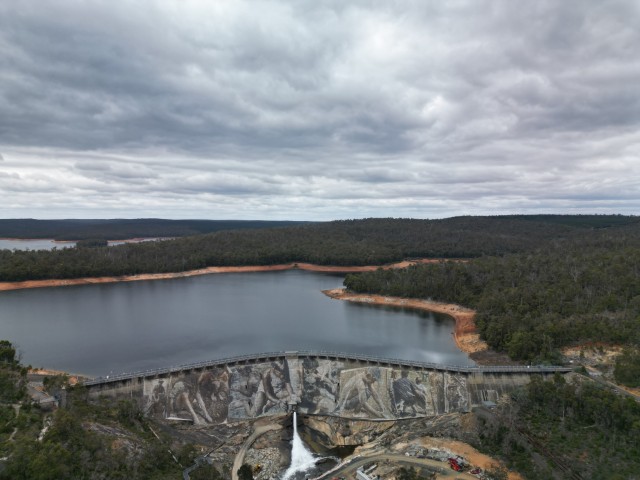
Adjacent to the Wellington Dam wall is the historic granite site. Granite from this site was used to build the dam wall. The wall was a job creation initiative during the great depression. This initiative created a dam that purposefully served the community for almost 100 years.
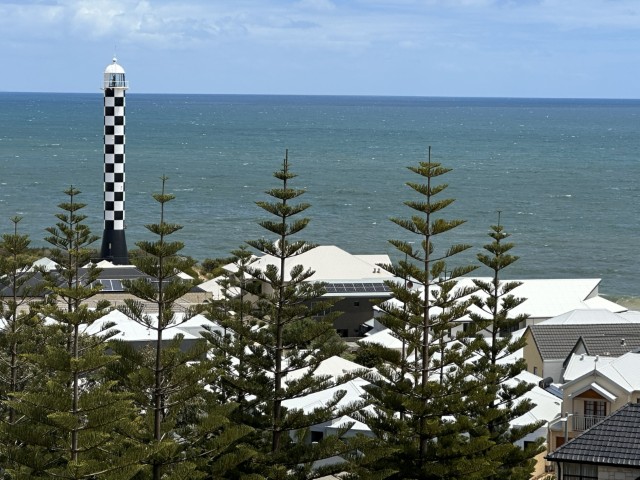
Bunbury was the next city on our way to Perth. The lighthouse, painted like a chess board, was very close to our camping spot.
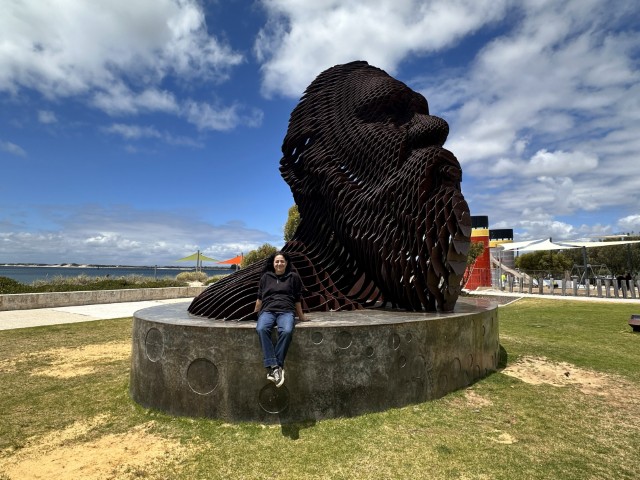
The 5.5m Wardandi Boodja head sculpture is in Koombana Bay. The 4.2 tones sculpture is a composite of faces of various traditional leaders.
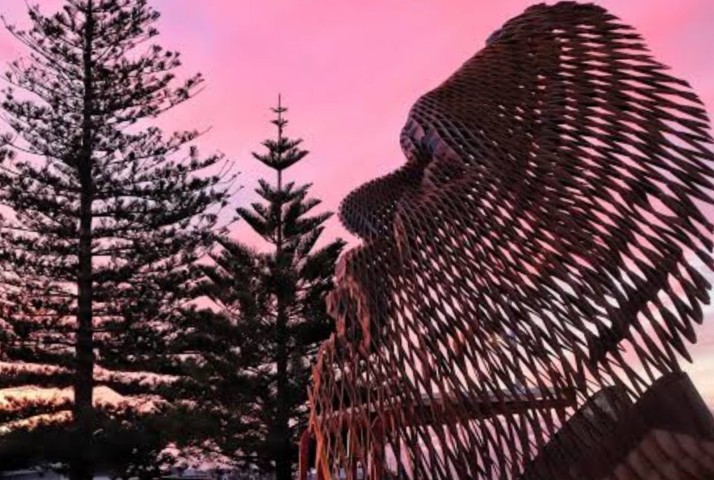
Sunset behind Wardandi Boodja sculpture is spectacular.
The Dolphin Discovery Centre is also located in Koombana Bay. Dolphins often come into the bay playing in front of the discovery centre. We did not spot any dolphins on the day we were there.
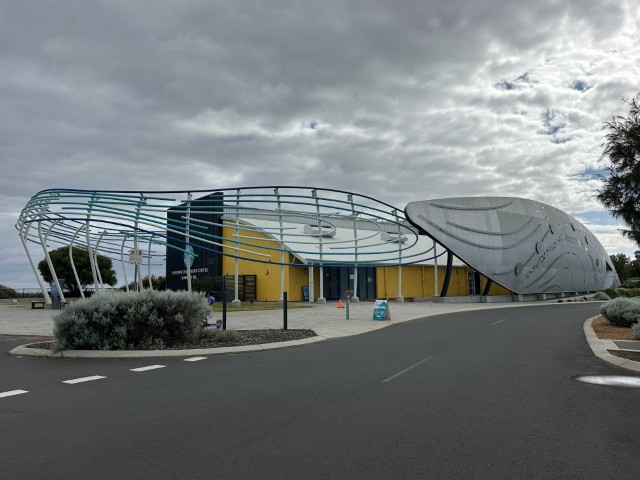
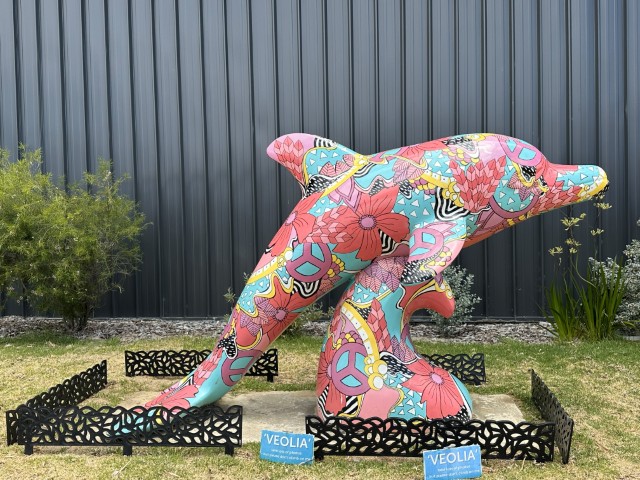
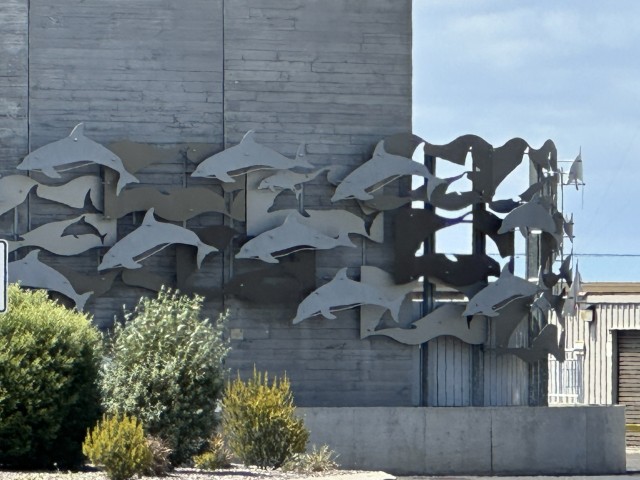
The dolphin theme is prominent throughout the discovery centre.
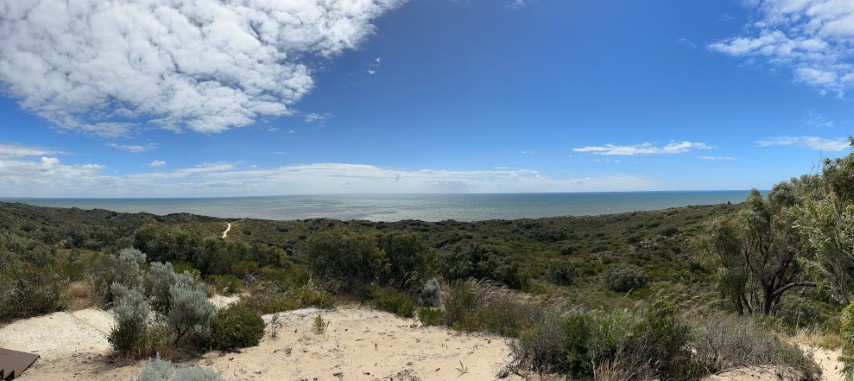
Maidens Reserve in Bunbury has a walking track to a lookout, towering above the bushland and coastal vegetation. The walk has a slow start, but ends with 153 metal steps taking you 67m above sea level.
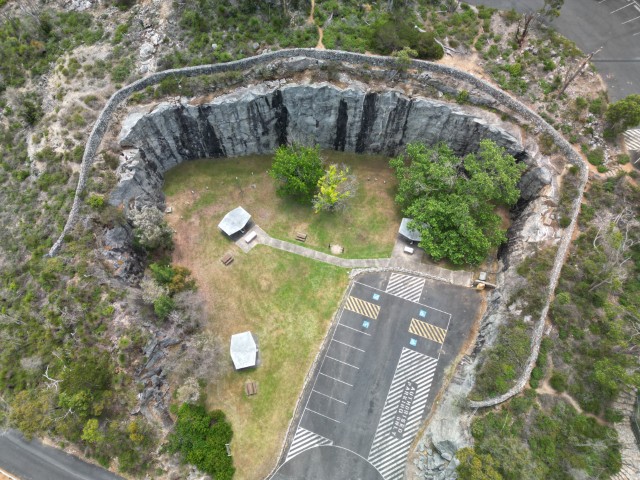
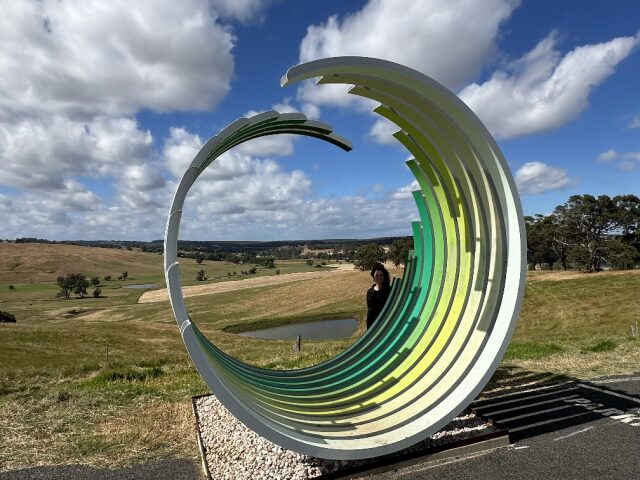
We took a daytrip inland of Bunbury towards Dardanup. The road weaves through farms and nature reserves. In the middle of nowhere we saw this massive sculpture next to the road.
Gnomesville is a small patch of land near Wellington Mill in the Dardanup area. Travellers are generally encouraged to only leave their footprints behind, but not at Gnomesville. The idea is that travellers can bring and leave their own gnome at Gnomesville as a token of their visit.
Gnomesville started with Kathleen Rees placing a gnome in a hollow tree trunk, followed by a sign stating “Done Gnoming”. After the sign was installed, a mass migration of gnomes started. Today Gnomesville is often casually referred to as the fastest growing town in Western Australia. There are thousands of gnomes in this little settlement.
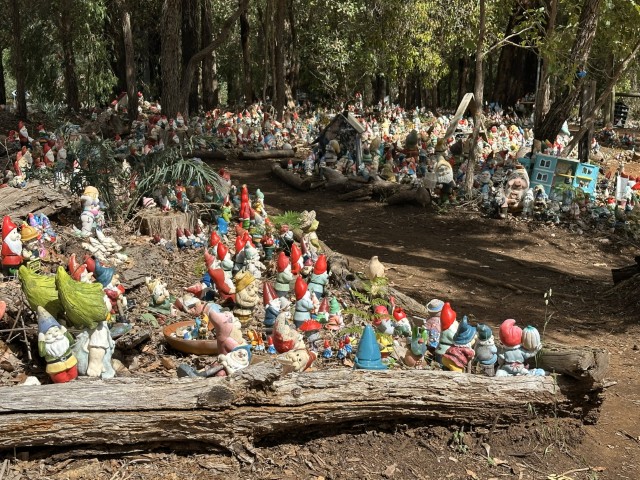
Individuals, families, groups and clubs leave gnomes here as their representatives in Gnomesville. We liked the Gorgeous Ladies on Wheels Bike Club exhibition.
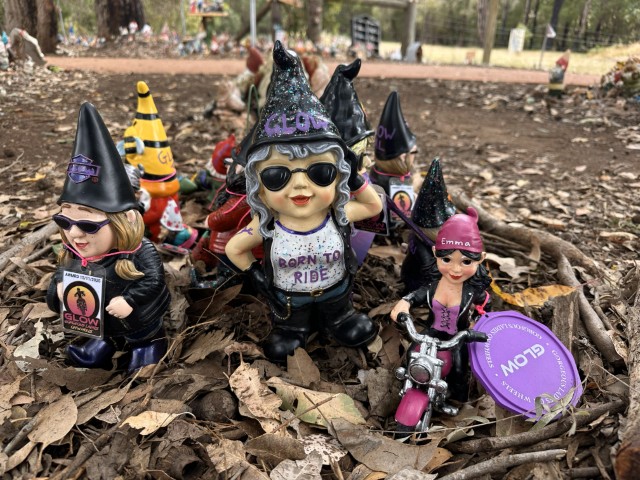
The psychedelic neon gnomes looks like they grew up in the 80s with their neon outfits.
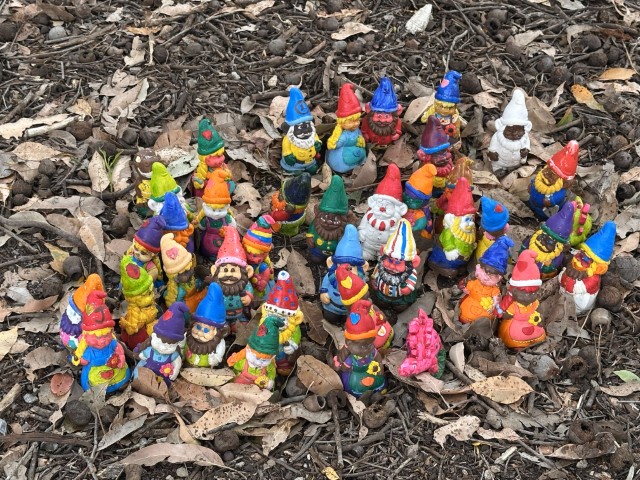
I was not sure if this was gnome alone or a gnome planning a dinner for the in-laws.
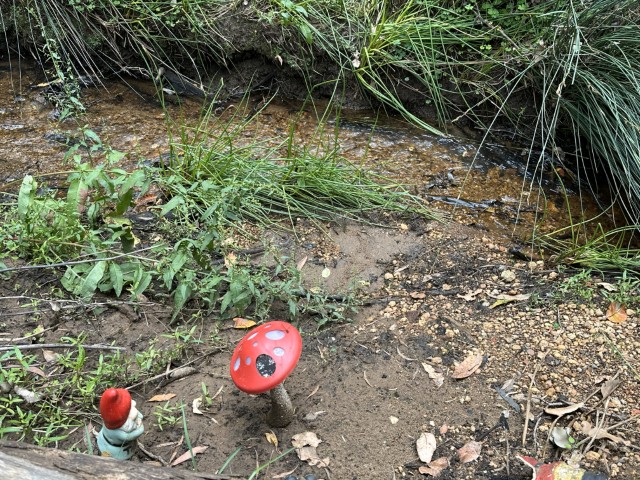
While at Wellington Mill, we took a detour to the King Jarrah tree. This 36m giant withstood many floods, storms and fires.
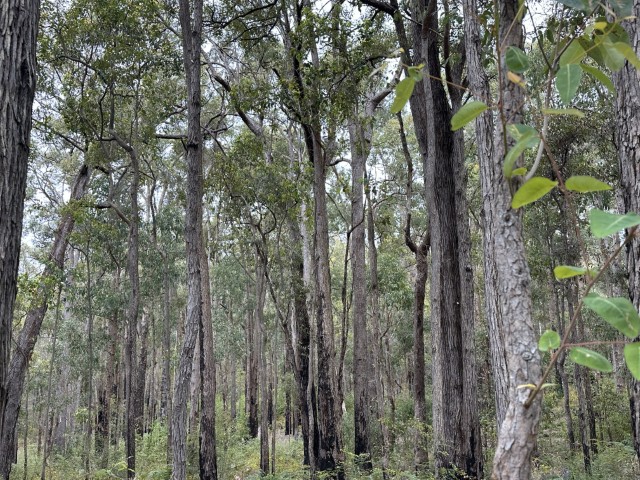
While in the area we had lunch at Honeymoon Pool on the Collie River.
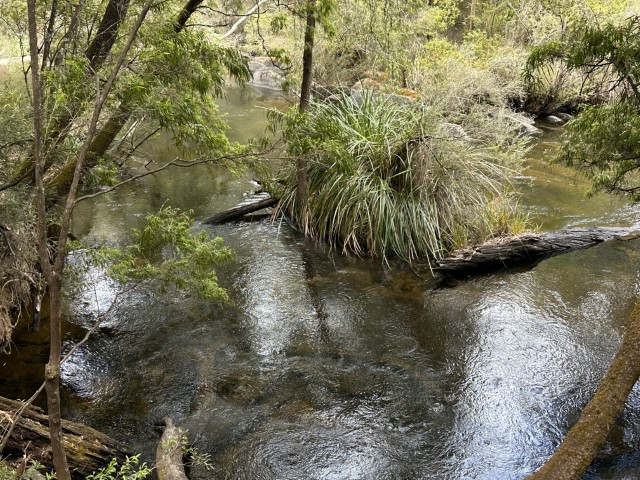
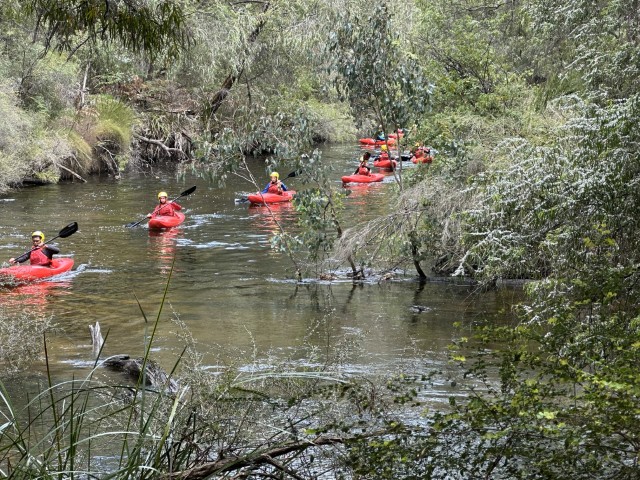
Kayakers glided past on the Collie river.
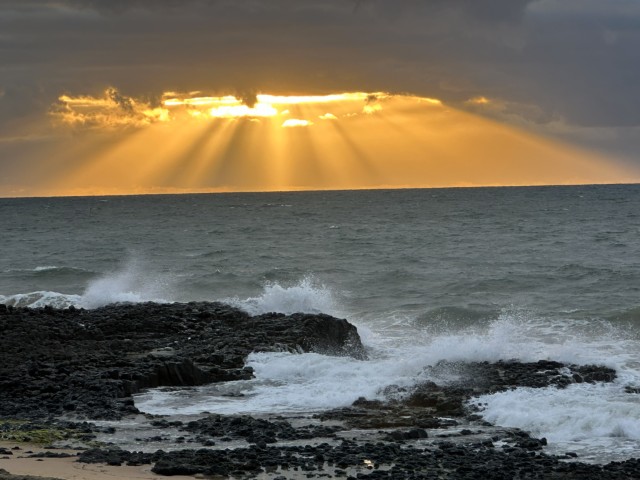
The sunset from Wyalup Rocky Point signified our last night in Bunbury.
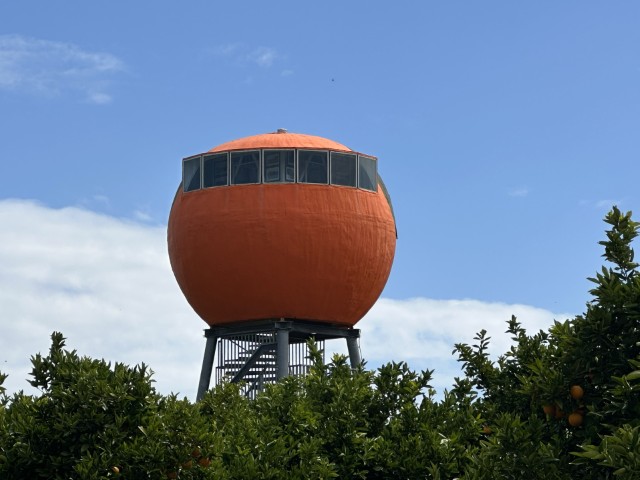
From Bunbury we moved to the town of Harvey. Harvey is home to the The Big Orange.
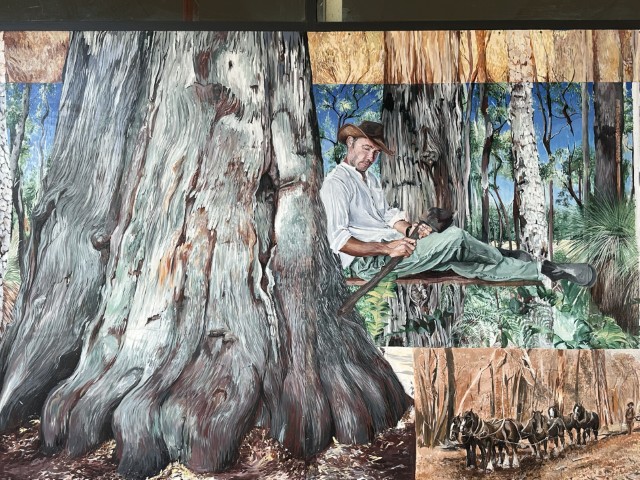
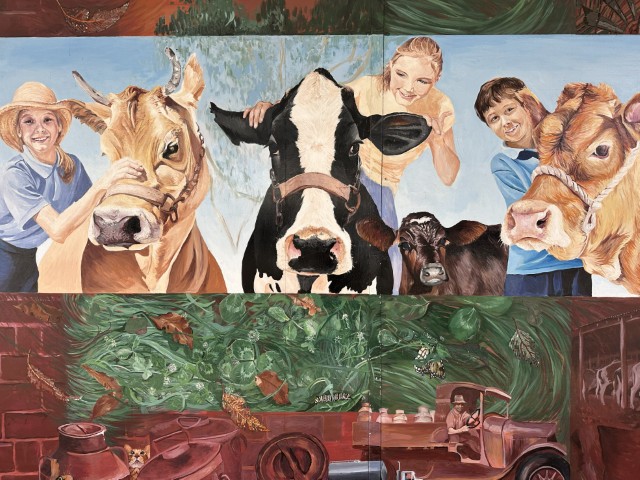
Harvey has a few murals in the main street celebrating the local industries.
After visiting Harvey, we spend a few days on a farm stay near Coolup. Coolup was close to some the southern areas of Perth where we had to take care of some life admin.
It was also a great opportunity to catch up with a school friend at Café Chérie French Café in Pinjarra.
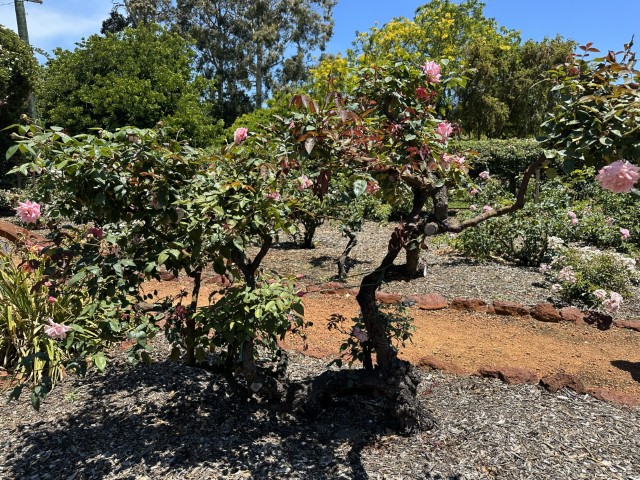
After breakfast we spent an easy morning together walking through town. The Heritage Rose Garden in Pinjarra is home to ancient species of wild climbing roses. The gardens also boast some early European and Chinese specimens.
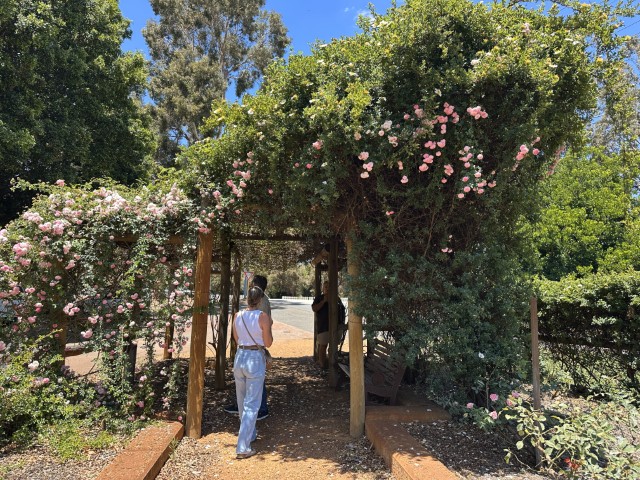
Some of the oldest rose varieties in the garden apparently dates back to 3000 B.C.
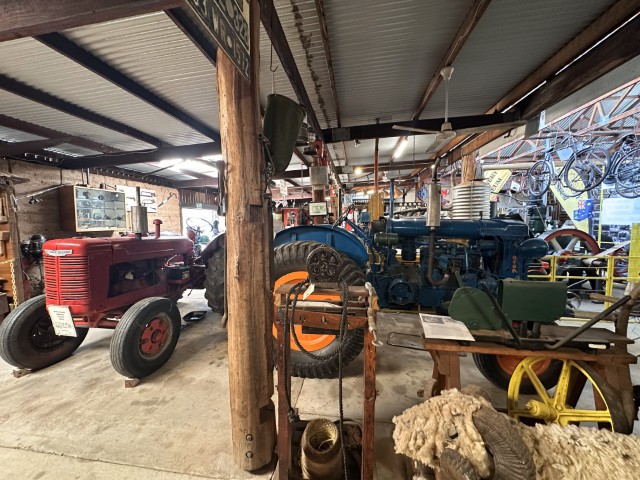
Before leaving Pinjarra we stopped at the Roger May Machinery Museum. The enthusiastic volunteers were knowledgeable and ready for a yarn.
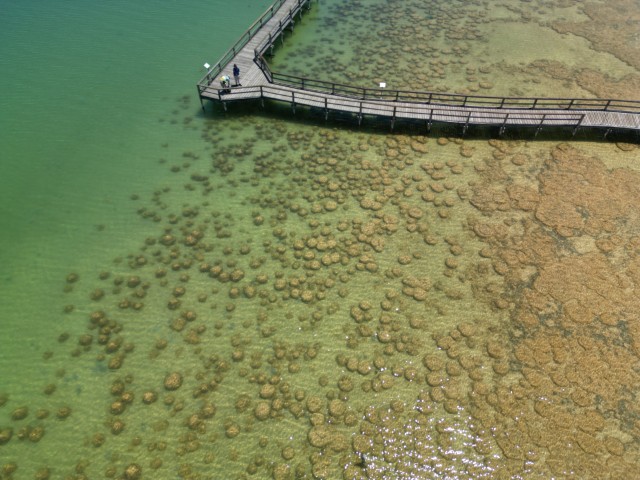
The next day we went to Lake Clifton south of Mandurah to view ancient biological organisms, the thrombolites. Located within Yalgorup National Park, an observation walkway positions you directly above the rock-like organisms.
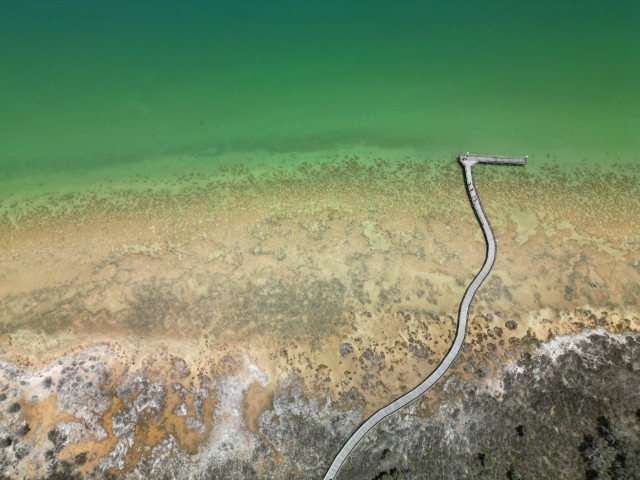
Thrombolites are some of the oldest forms of life on the planet apparently dating back 570 million years.
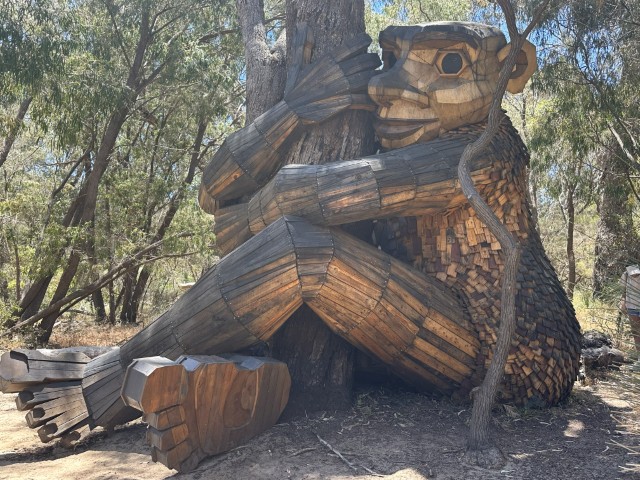
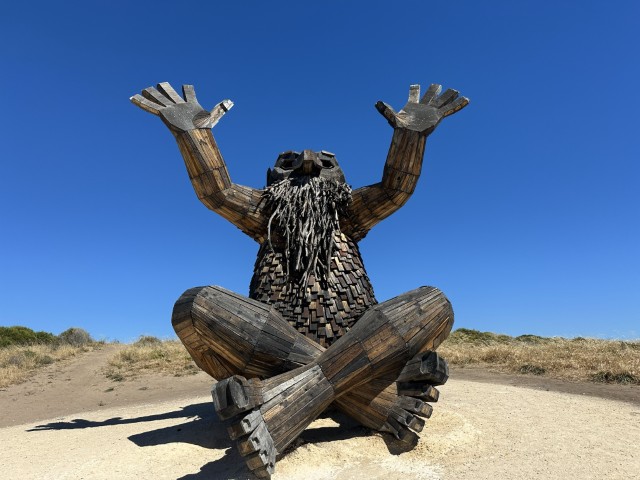
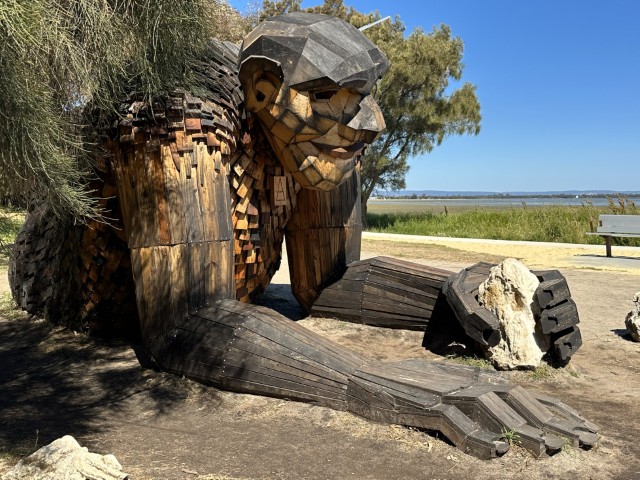
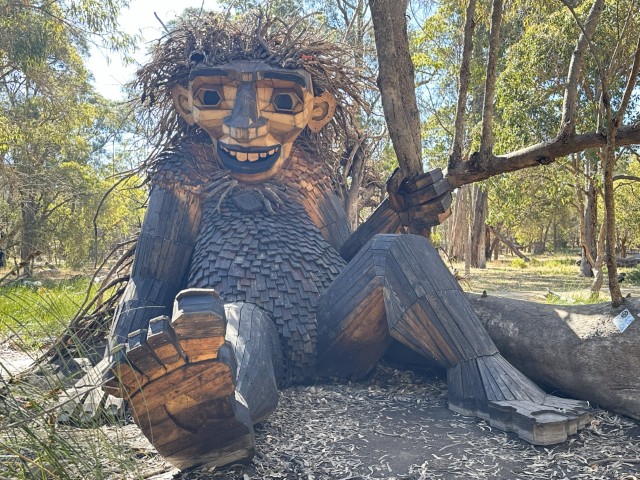
One of the best known tourist attractions in Mandurah is the giants. These wooden sculptures were created by Thomas Dumbo in 2022 from recycled material. Thomas is a Danish recycle art activist and have created these giant trolls across the world.
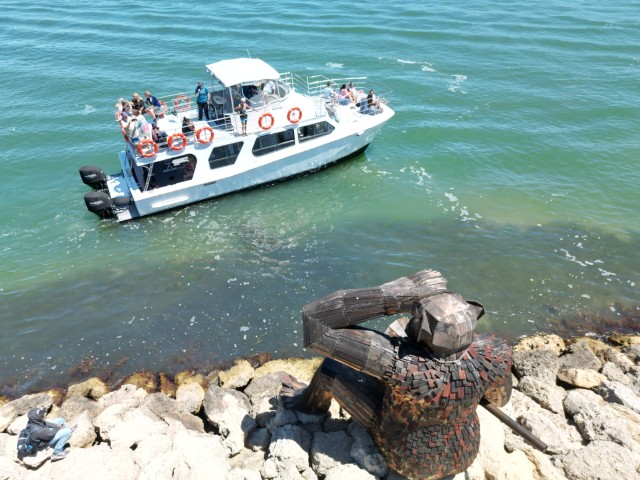
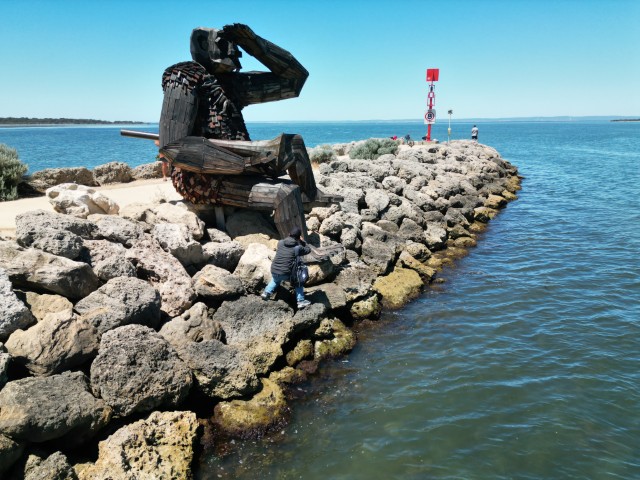
Our first giant was Seba’s Song, overlooking the Mandurah waterways. The 5m high sculpture dwarfs the visitor at its foot.
We were surprised how far the giants were apart. It does take a bit of commitment to fit them all into one day. A bushwalk starting close to the thrombolites took us to Jyttes Hytte, hugging a tree.
Next was Santi Ikto, overlooking the ocean.
Yaburgurt Cirkel Stone was our next giant, lying in one of the local parks.
Our final giants in Mandurah was Little Lui, well camouflaged in local bushland. This concluded our giant hunt in Mandurah, but there was one more giant located in Perth.
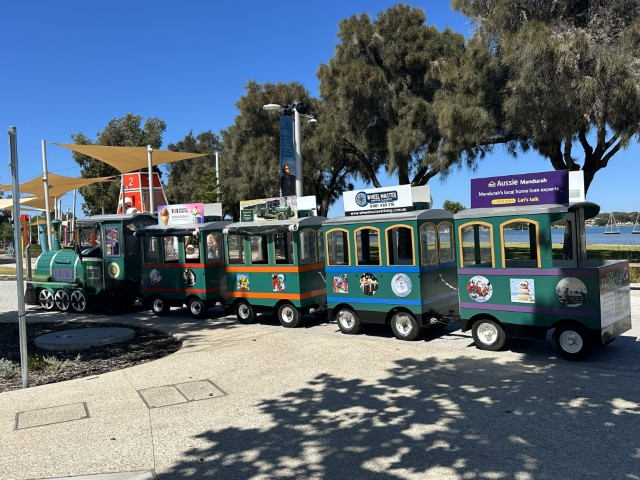
We visited Mandurah foreshore where the tourist fun train was parked and ready to take children and families across the esplanade. This is one of two fun trains available to explore Mandurah city. The small train is known as Mini Toot while its bigger brother Big Toot can accommodate groups of up to 60 adults at a time.
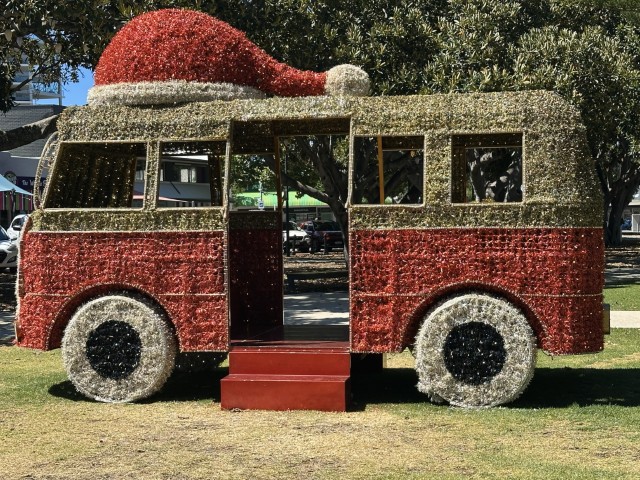
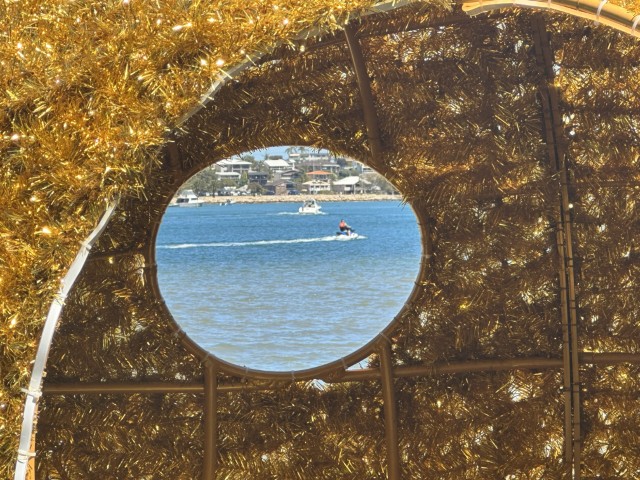
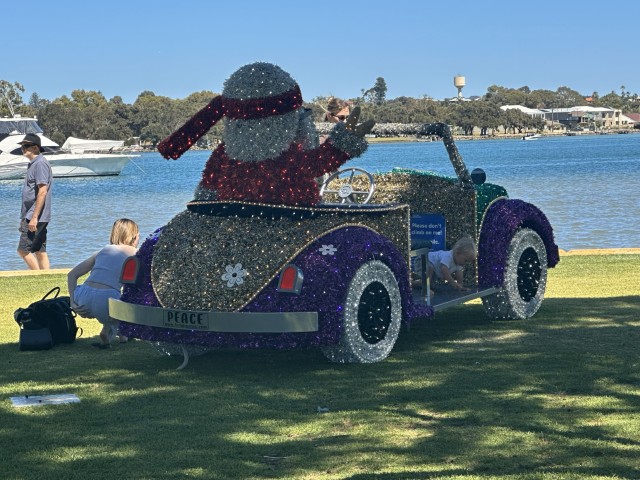
We visited Mandurah just before Christmas and the decorations were already lining the foreshore.
We moved from Coolup to Jarrahdale. Jarradale is close to Baldavis where we were fortunate to meet two school friends for breakfast at King Road Brewing Co.
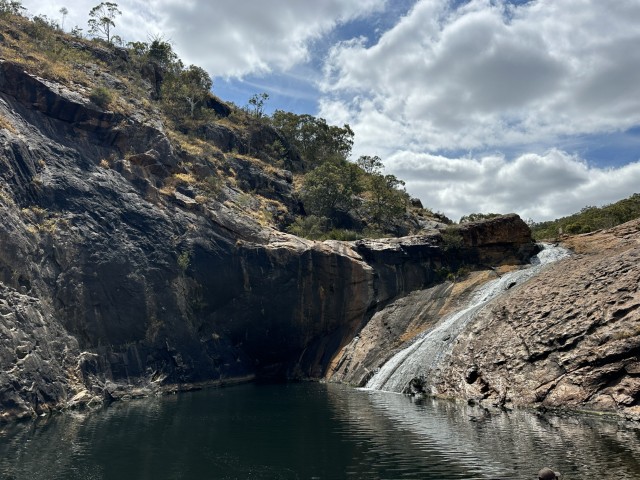
Not far from the campsite was Serpentine Falls in the Serpentine National Park.
Even though we have been in Perth a few years ago we decided to spend some time in the city before exploring the Wheatbelt region.