

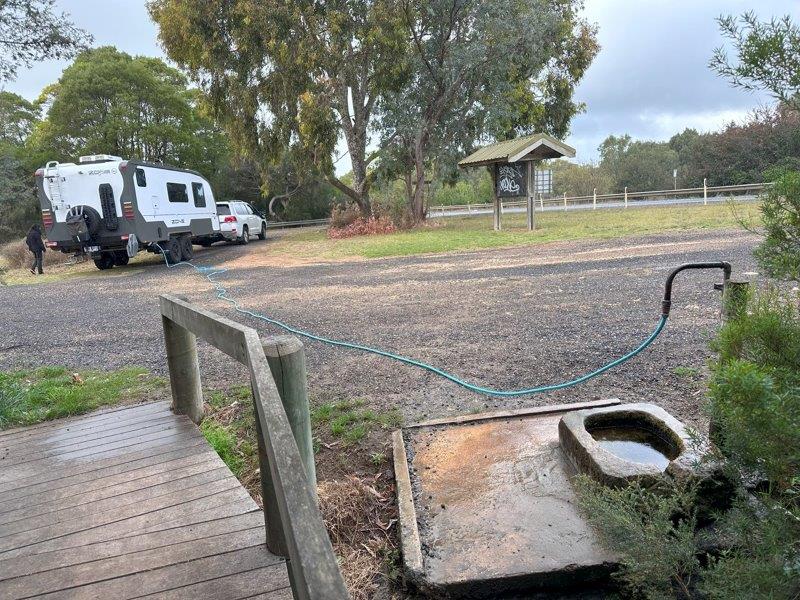
Before crossing the border to South Australia, we filled our tanks with natural spring water from the Dartmoor fountain.
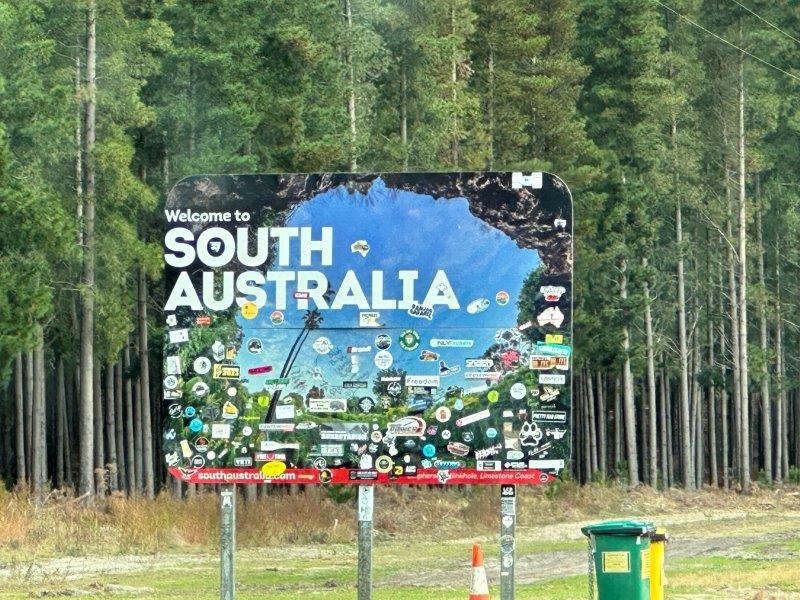
Just past the border, the pine plantations started.
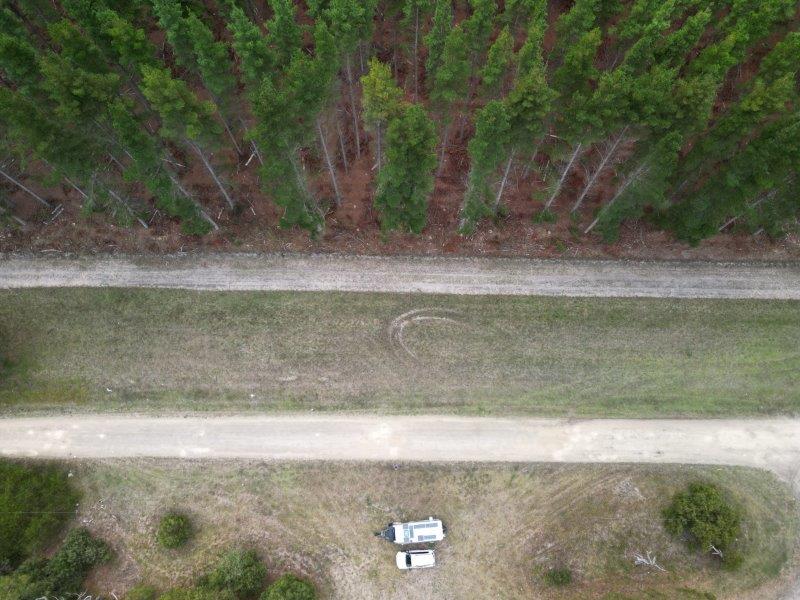
Our first camp in South Australia was a free one, just across the border. The camp was close to Mount Gambier and convenient to explore the Limestone Coast.
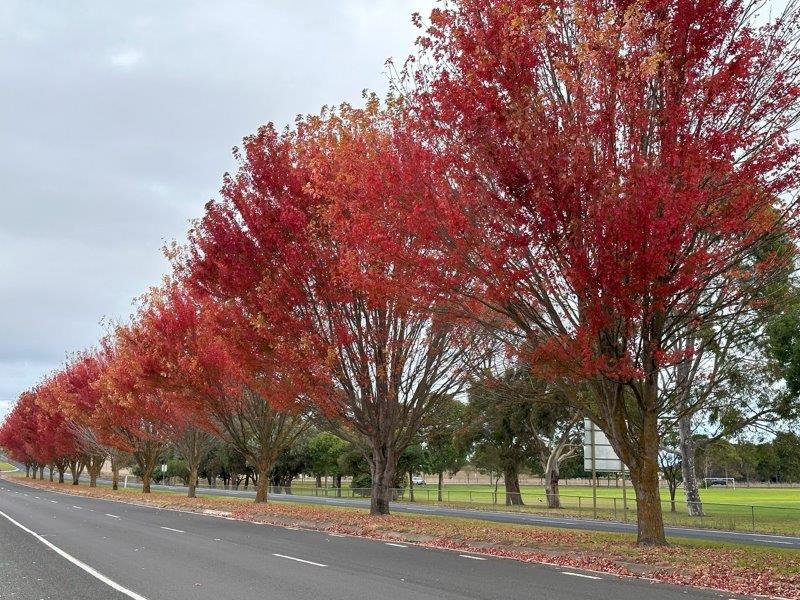
The road into Mount Gambier is lined with deciduous trees. The change in seasons was evident.
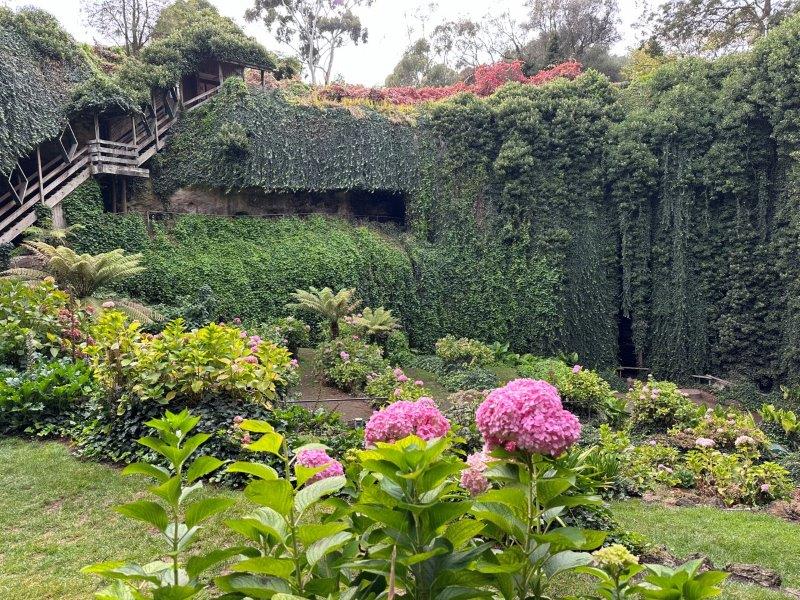
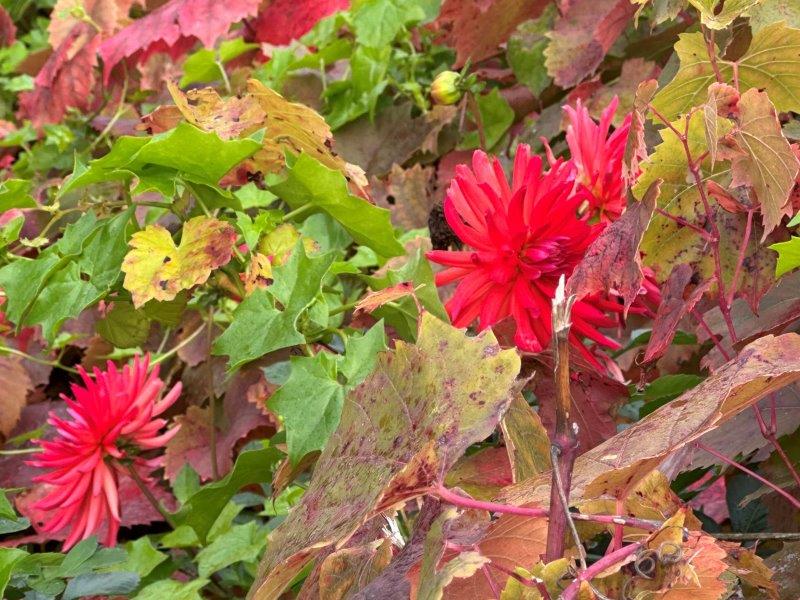
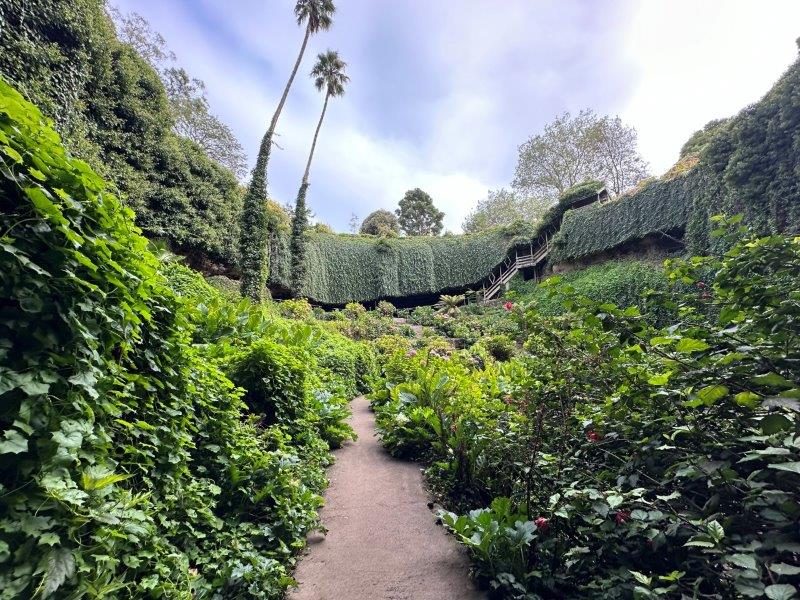
The Limestone Coast is renown for sink holes, as the limestone give way. The Umpherston Sinkhole is in the middle of Mount Gambier. This massive sinkhole can be viewed from the viewing platform. You can also take the stairs into the sinkhole. At the bottom of the sinkhole is a garden to stroll through. On the edges of the garden are a few lookouts, barbeques, picnic areas and even a waterfall.
The Blue Lake is Mount Gambier’s drinking water reservoir. This volcanic crater has a 4km walking track around it, with great views to both sides of the crater wall.
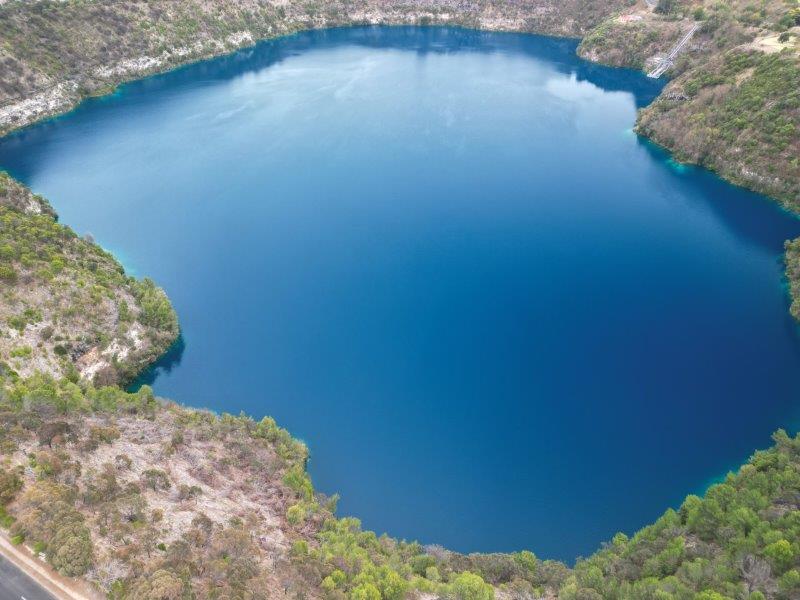
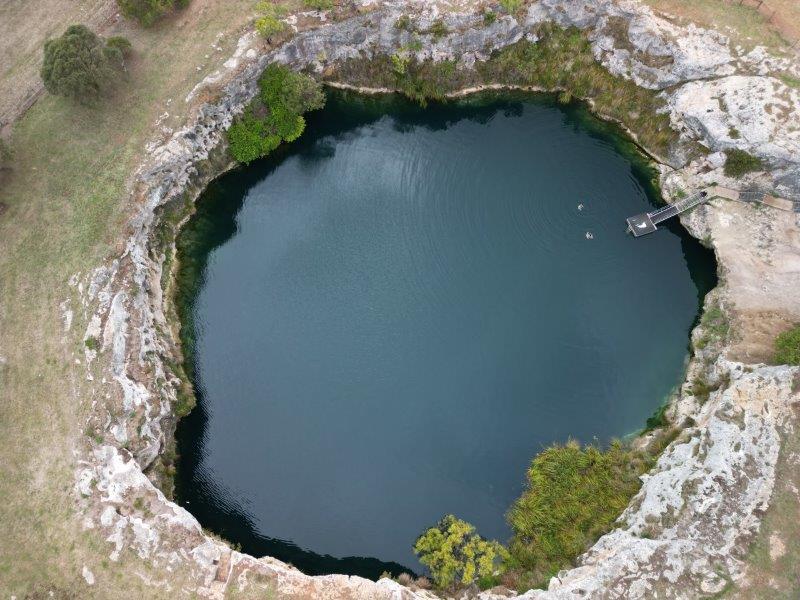
The next stop was the Little Blue Lake, close to Mount Schank. This lake has a floating pontoon for those brave enough to endure the cold water.
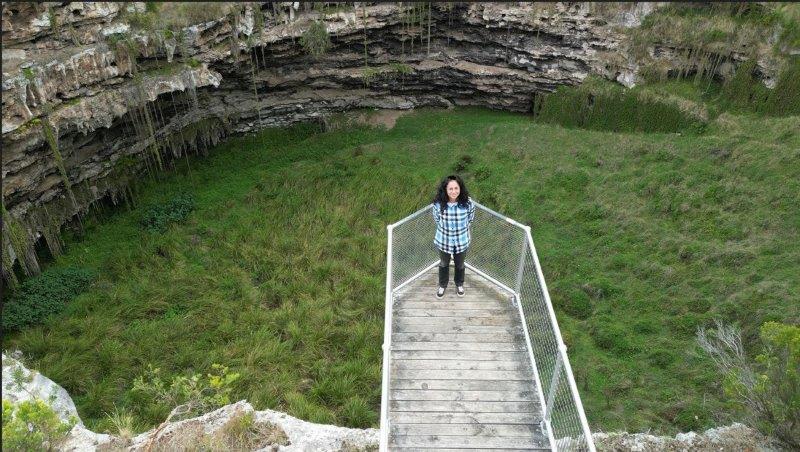
From Mount Schank we headed towards Caveton to the Hells Hole. This karst is 45m in diameter and 25m deep. It is an eerie feeling looking down from the platform.
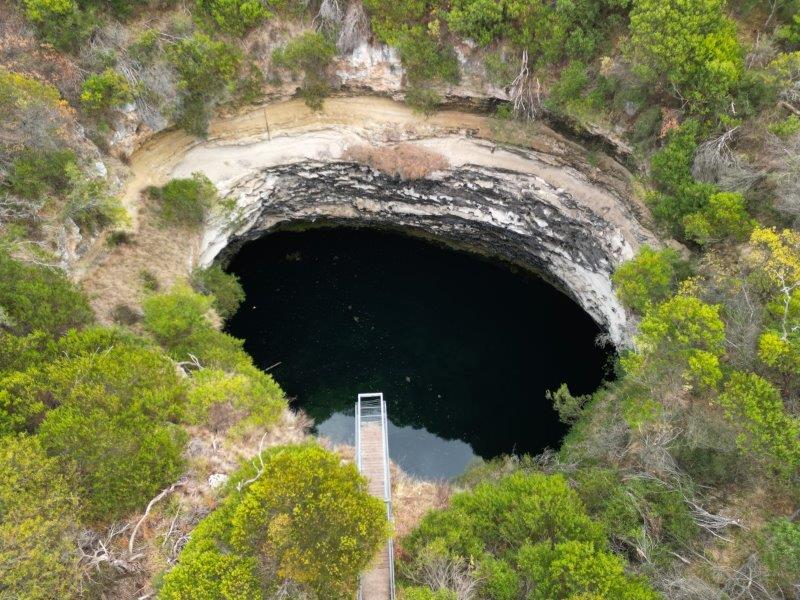
Our last sinkhole for the day was Caroline Sinkhole. This sinkhole is in Penambol Conservation Park. Evidence of former human settlement was found inside the sinkhole.
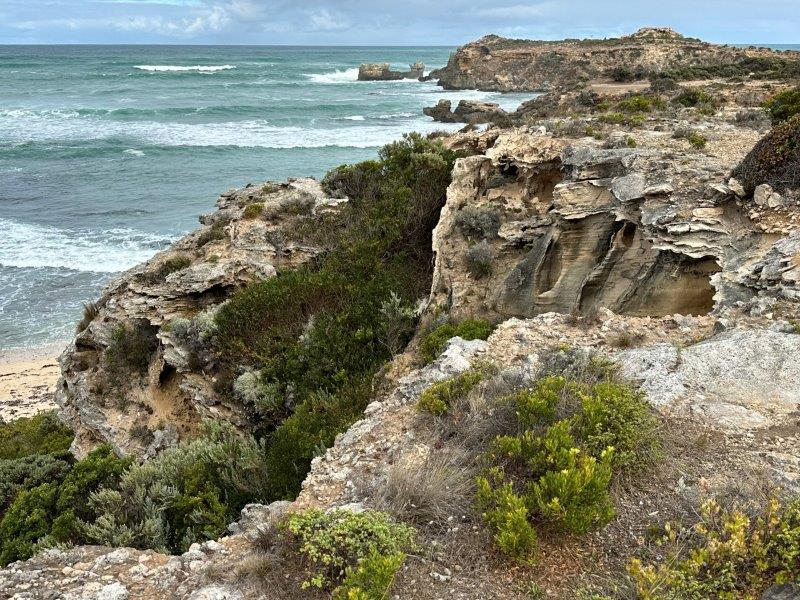
The next day we headed to Cape Northumberland at Port MacDonnell.
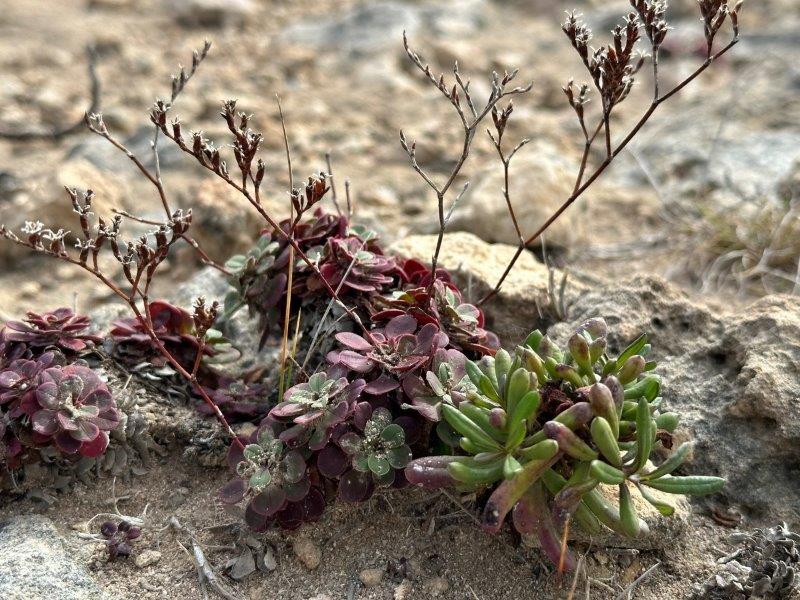
We had lunch on the Port MacDonnell esplanade. Next to the esplanade is the Old Customs House where a German Mine is on display. This enemy mine was first spotted by a fisherman as it was drifting towards Port MacDonnell in 1943. After reporting it to the police, the town was evacuated. The mine was intercepted and disarmed. Apparently the mine contained hexonite which is six times more powerful than T.N.T..
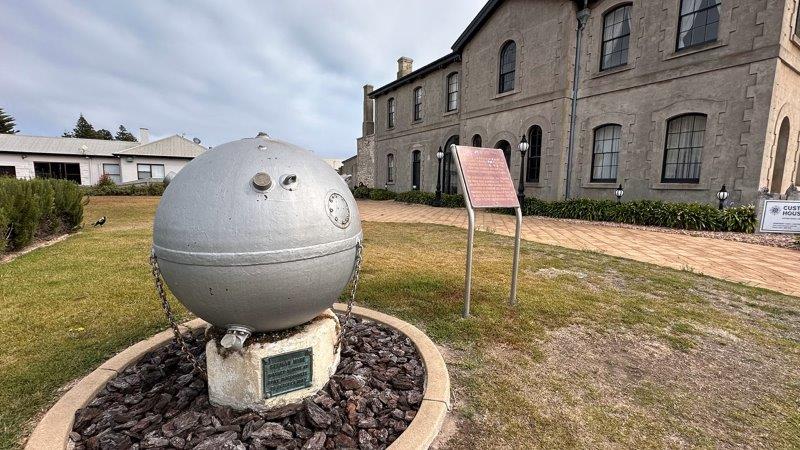
Further down the Port MacDonnell esplanade, we past these surfers.
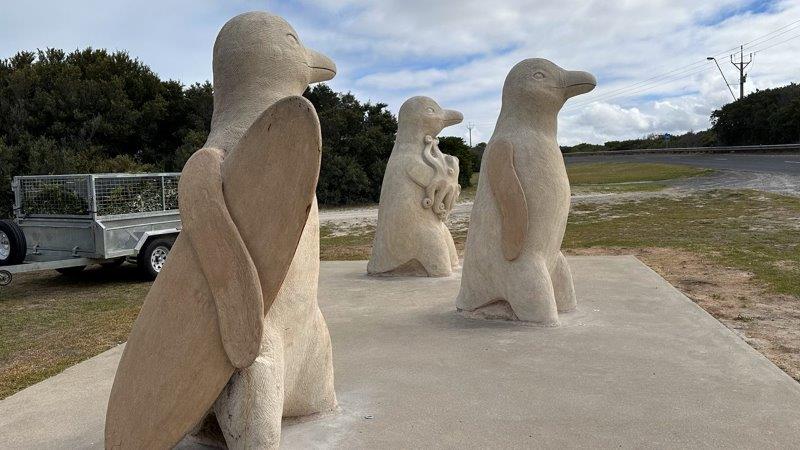
After leaving the Limestone Coast, we headed north and stayed at Lake Indawarra at Tintinara.
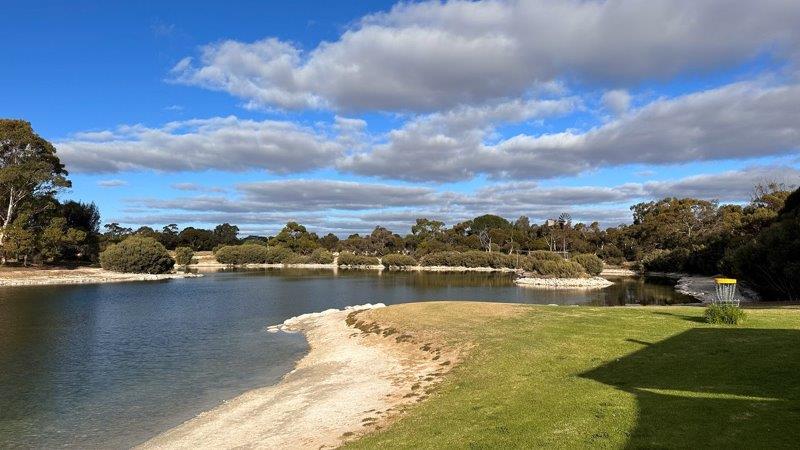
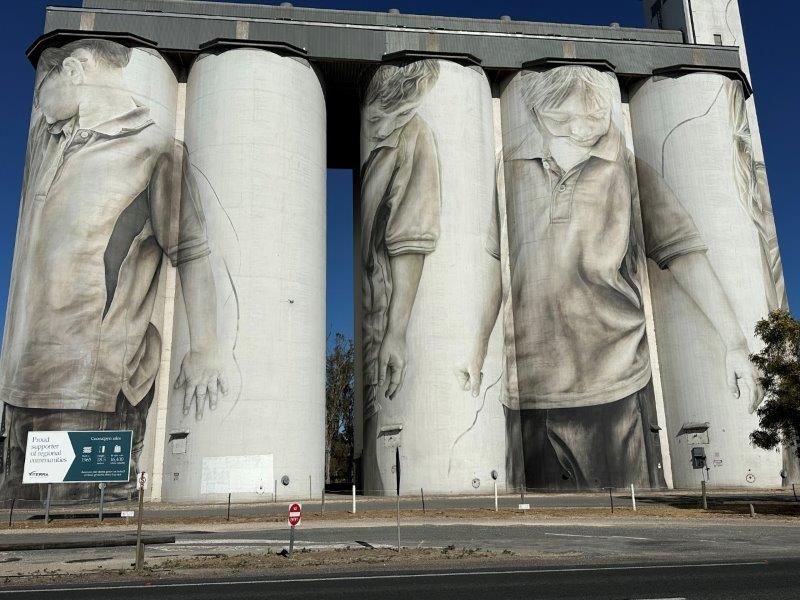
Further north, on the way to Adelaide, we passed the Coonalpyn silo art.
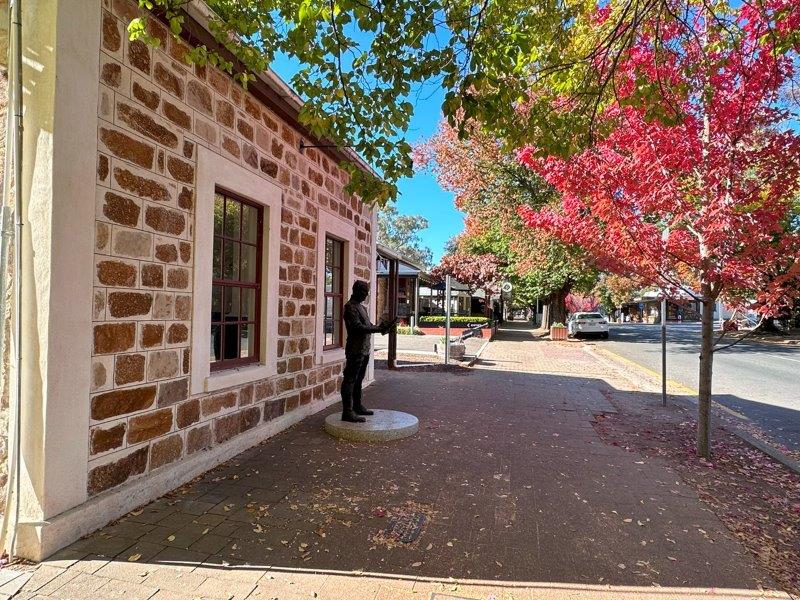
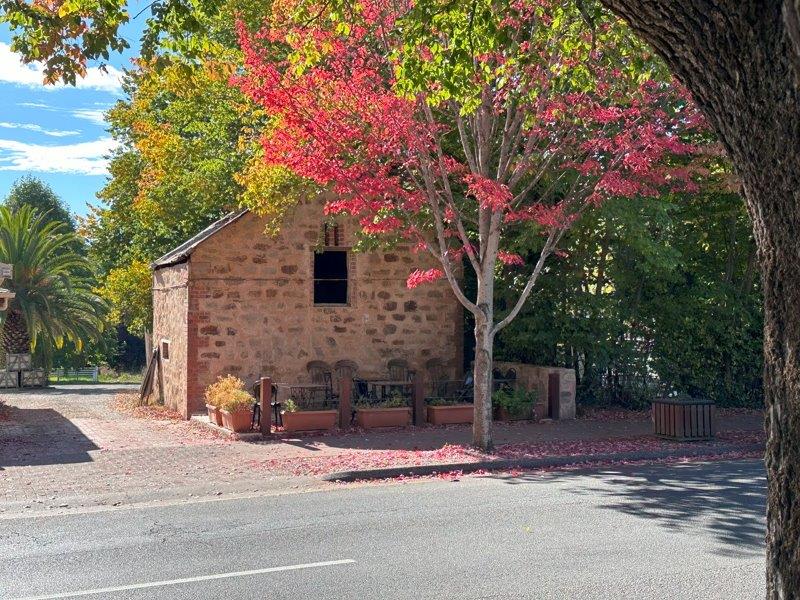
Upon our arrival in Adelaide we got the caravan serviced. While the caravan was serviced we headed up the Adelaide Hills to the little German Village of Hahndorf. Hahndorf is up there with our favourite towns.
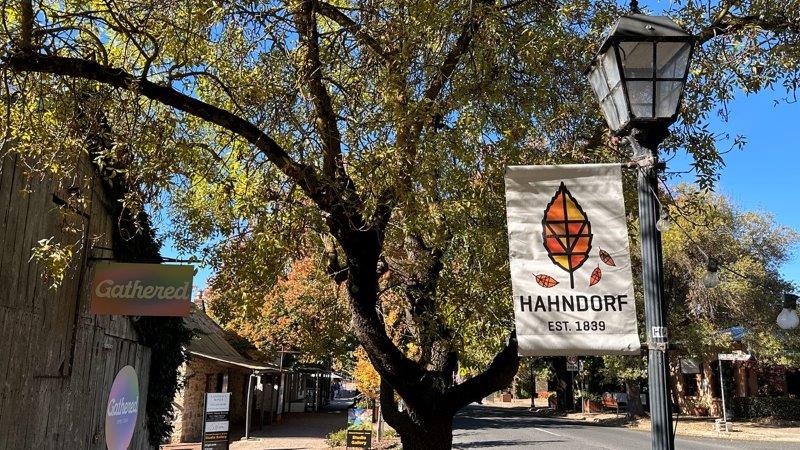
Streets are lined with with pubs, coffee shops and restaurants.
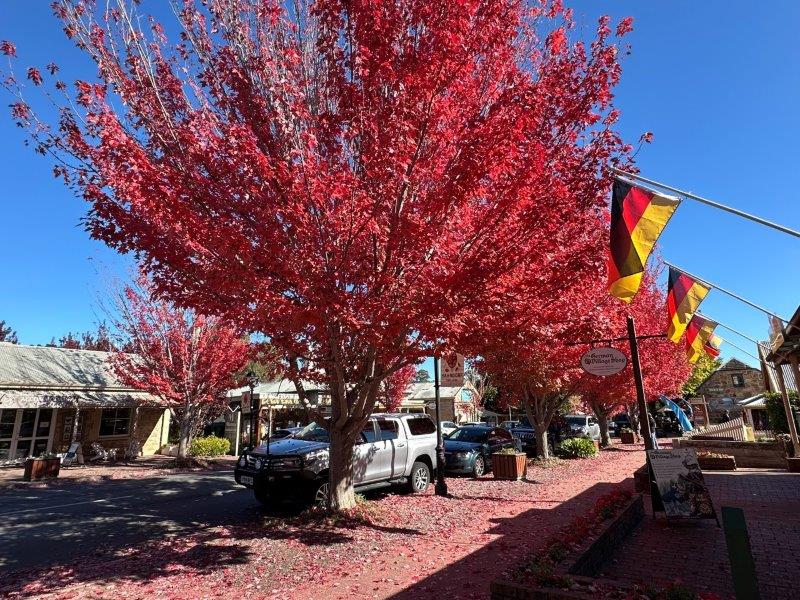
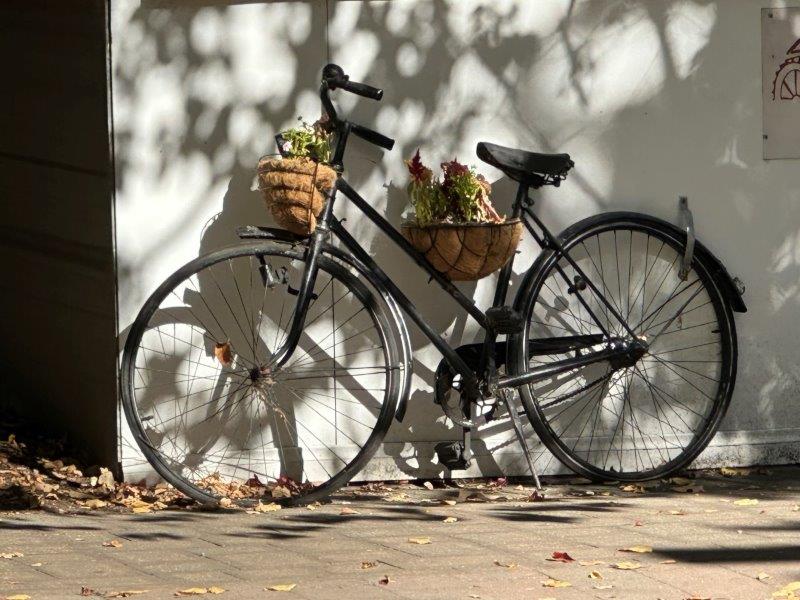
German Lutherans seeking religious freedom, settled in Hahndorf in 1839. Many of the original buildings were restored, and are still in use.
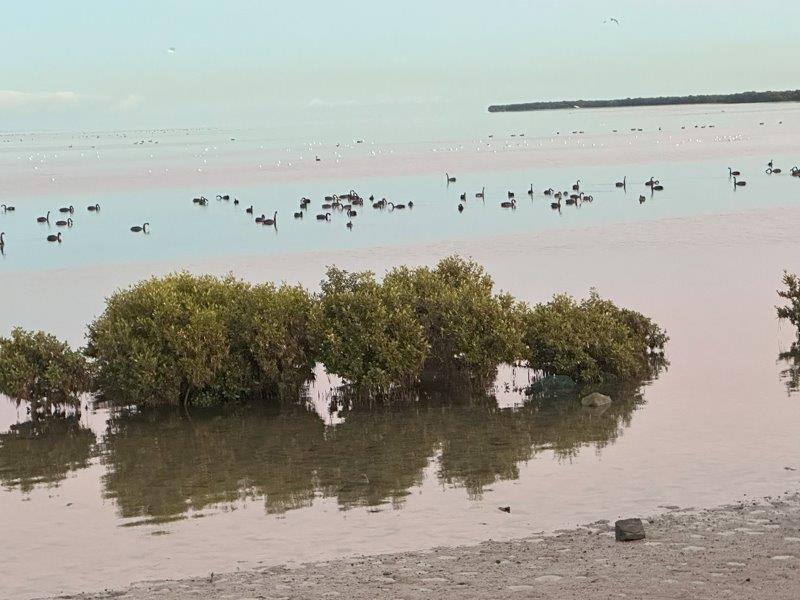
After we got the caravan back from its service, we headed to the historic seaside town of St Kilda. St Kilda is just north-west of Adelaide. St Kilda was a great spot to use as a base to explore the Adelaide area. We could see the local colony of black swans form our caravan at dawn and dusk.
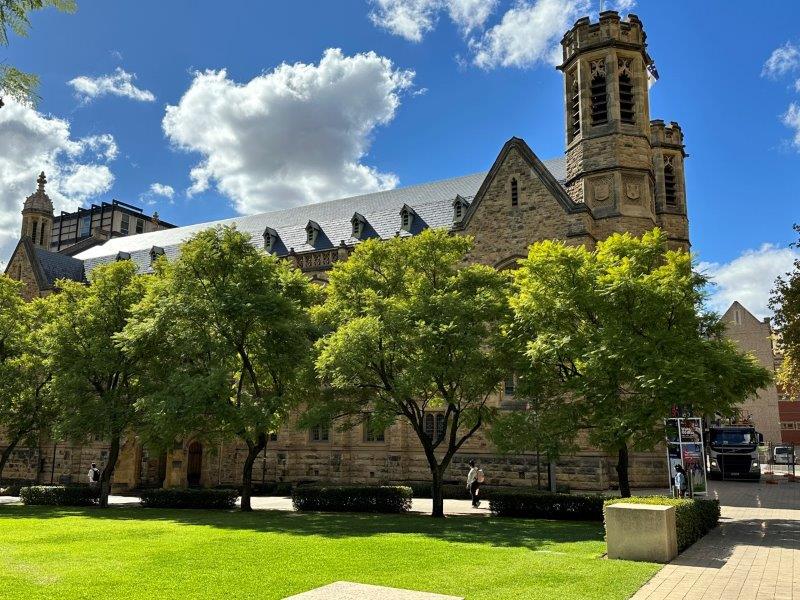
Adelaide has many old churches and buildings close to the CBD. The Bonython Hall was completed in 1936 and is still used as the main ceremonial hall for the University of Adelaide.
The Popeye River Cruises provide easy access down River Torrens and meanders between the Uni and the Botanic Garden.
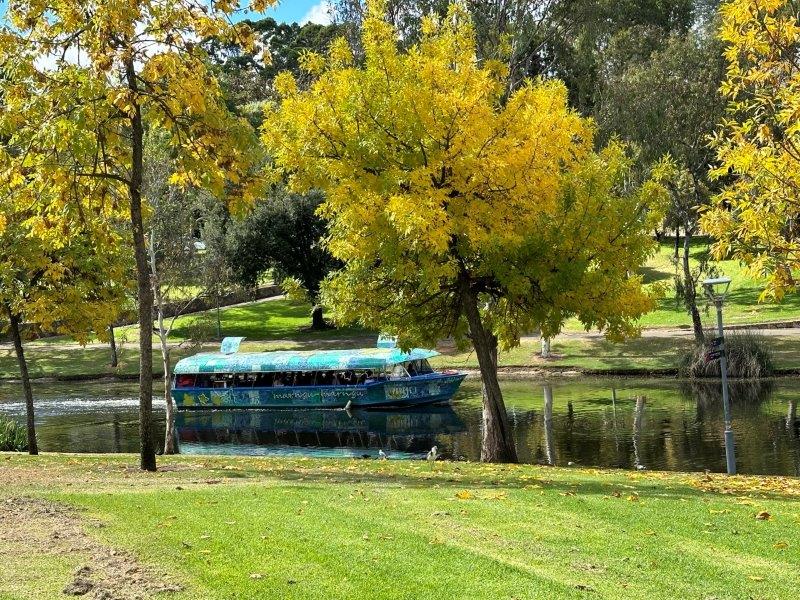
We spent a few hours in the Adelaide Botanic Garden.
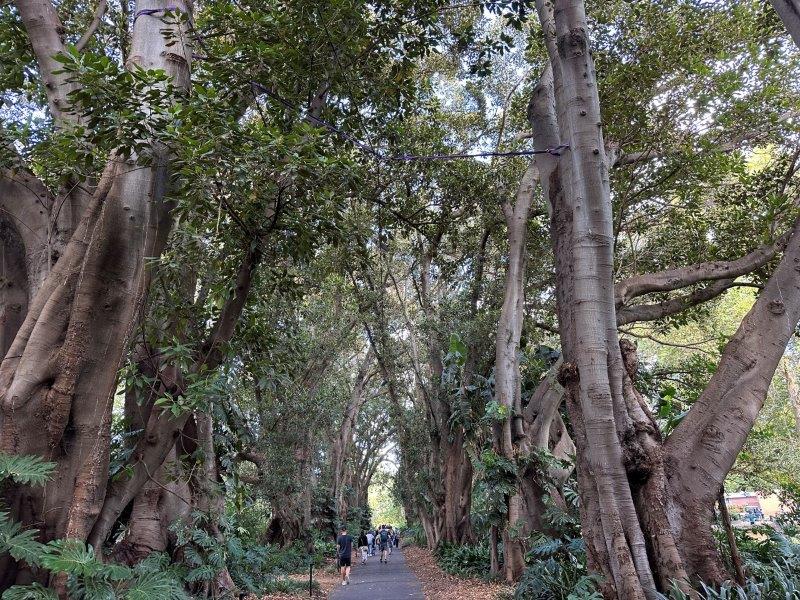
The bats were out in force. The garden is a popular breeding place for the Grey-Headed Flying Foxes. These are the largest bats in Australia and could weigh up to 1kg with a wingspan of 1m.
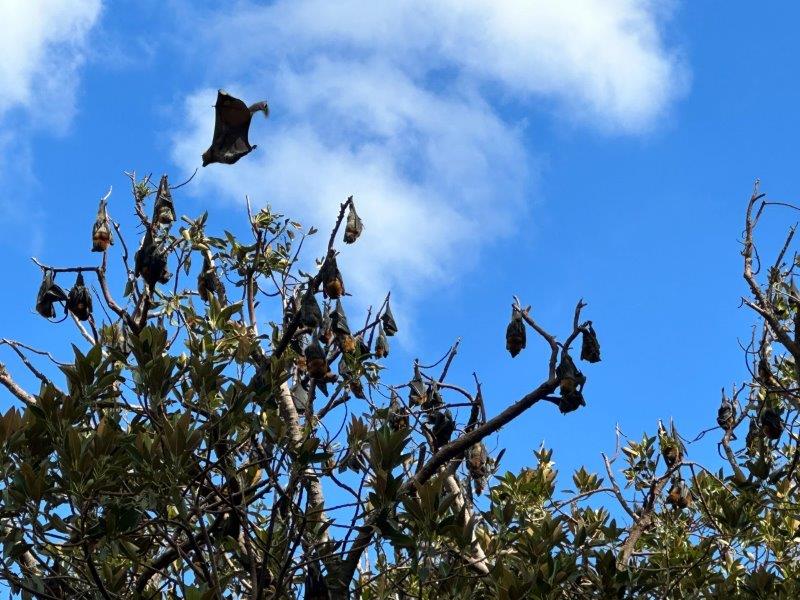
Close to the botanic garden restaurant, we saw the Amazon Waterlily Pavilion. The glass pavilion houses many exotic and tropical plants.
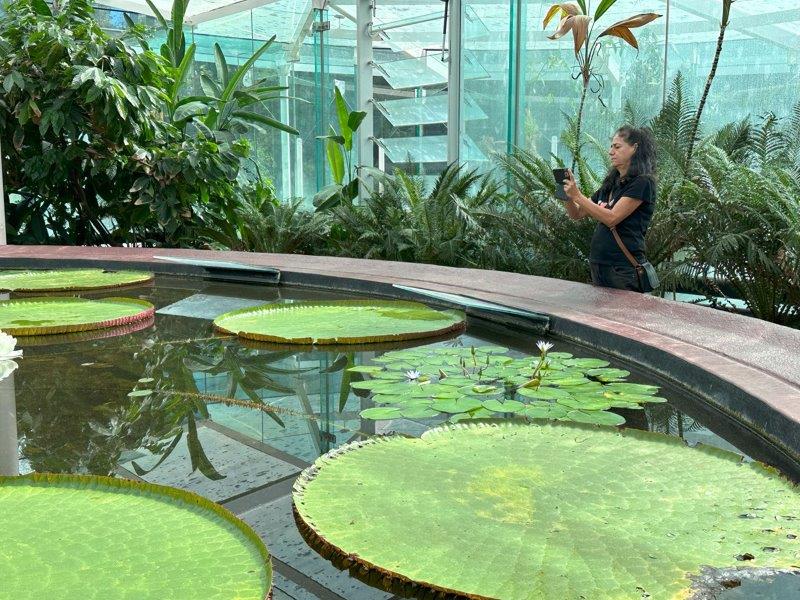
The Museum of Economic Botany is adjacent to the Amazon Waterlily Pavilion. Many of the the exbibits dates back to the original museum display, 130 years ago.
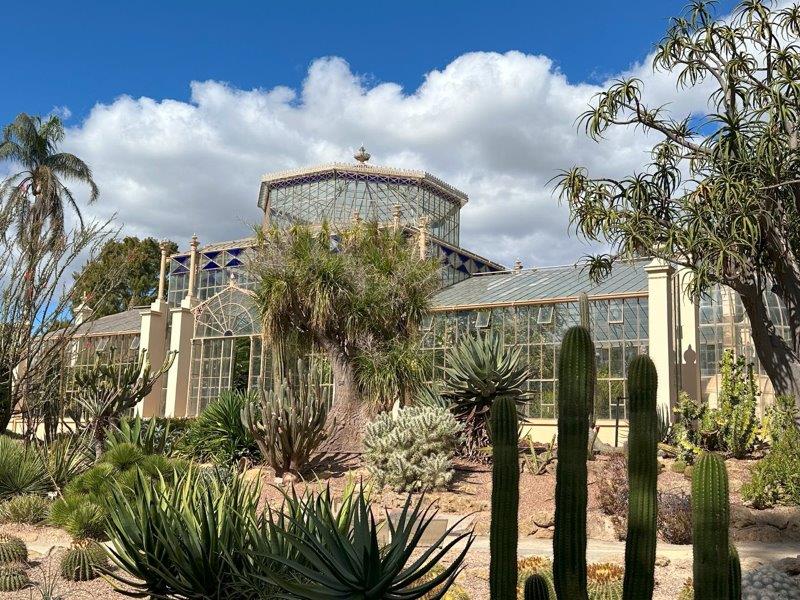
On the way out of the gardens, we passed the Palm House. The glass house is an engineering marvel and believed to be the only of its kind in the world. The structure was imported from Germany in 1875, and is now home the an exhibition of plants from the island of Madagascar.
One of the beachside suburbs of Adelaide, is Glenelg. This town has a relaxed atmosphere and lots to see and do.
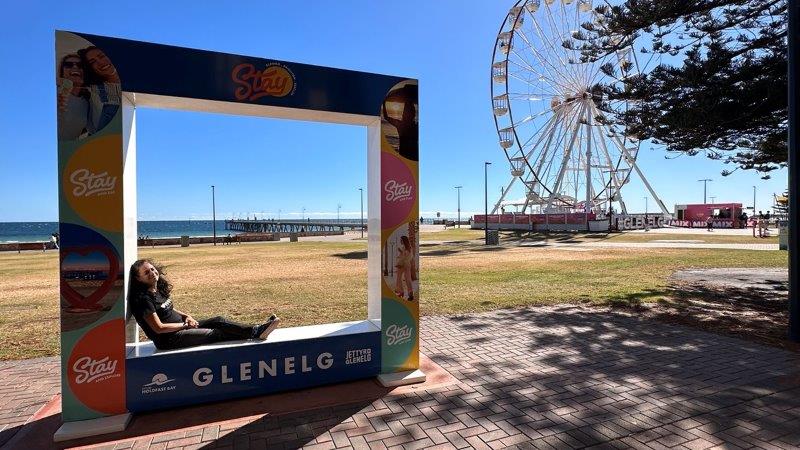
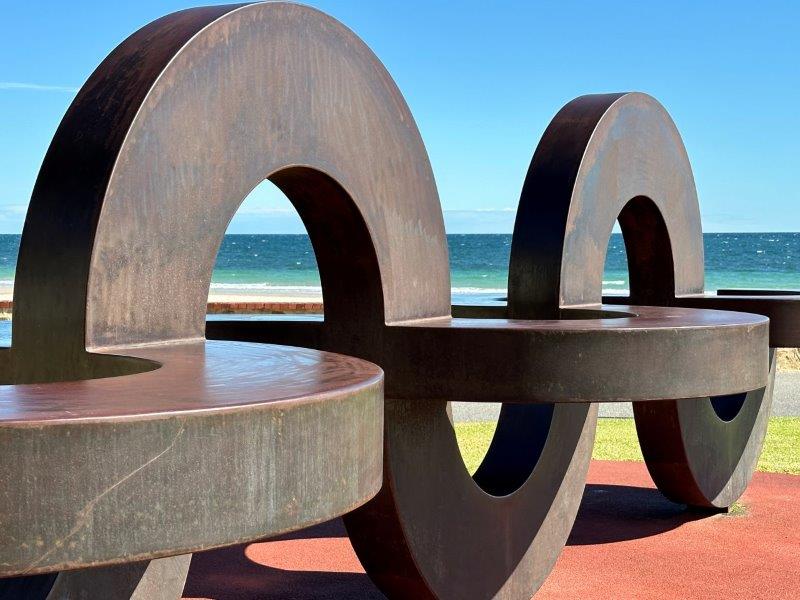
The foreshore is lined with modern art on the one side and heritage listed buildings across the road.
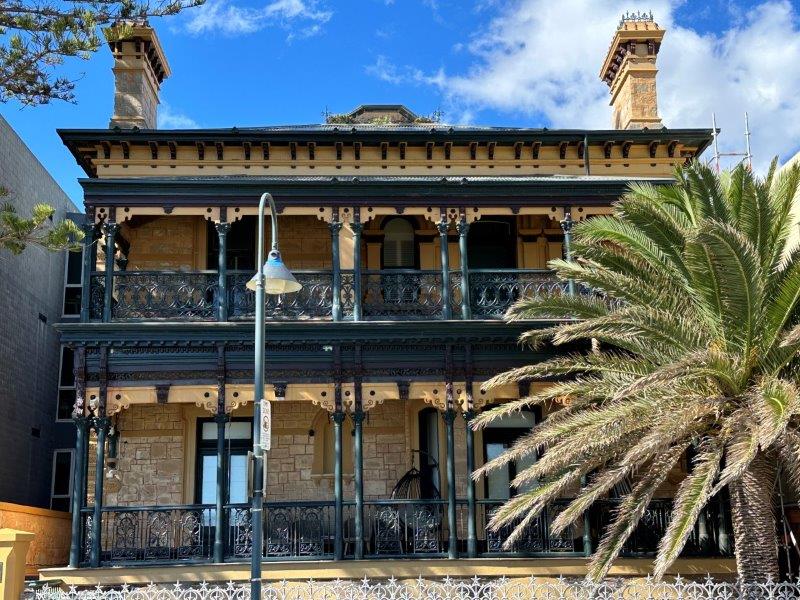
These old mansions is a testimony to very affluent times. Albert Hall was home to one of the early European entrepreneurs and colonists, William Thomas. The building dates back to 1877.
In the same year, the Town Hall was opened. The hall is still home to the council chambers and information centers.
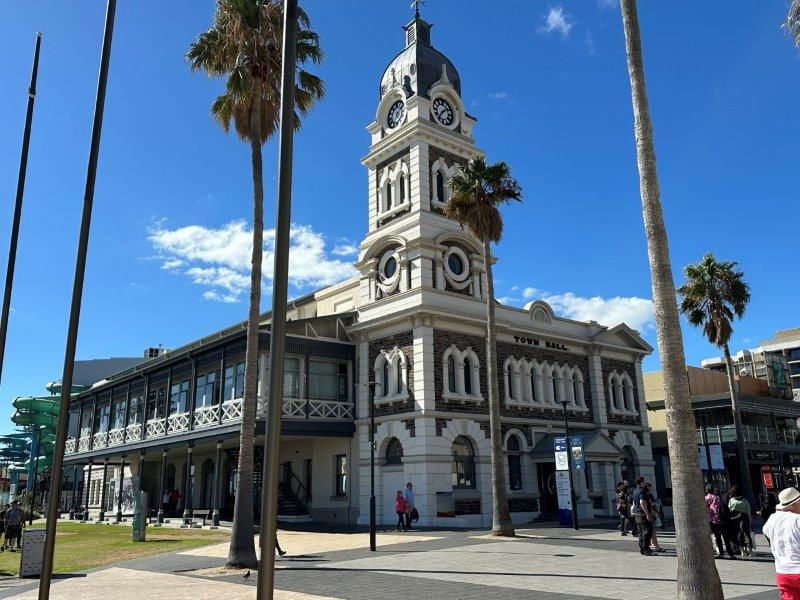
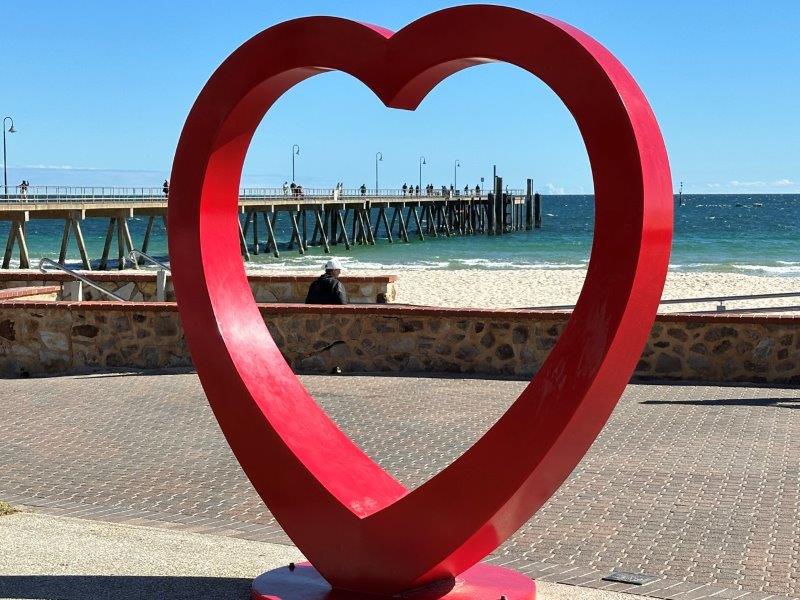
Parking was a bit of a challenge, especially closer to the beach. At the end of the day we had a long stroll back to the car. Along the esplanade there were many quirky installations to explore, from 1 meter high beach chairs to love hearts.
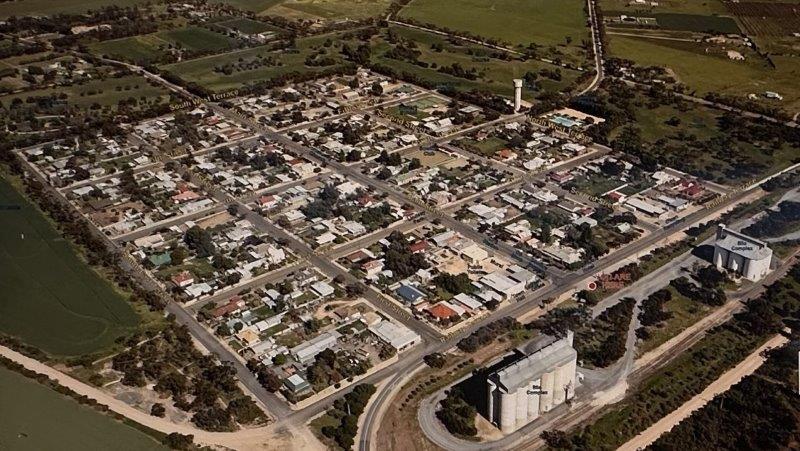
As it was school holidays, we decided to head north to escape the hustle and bustle. For us there was no better place than the small town of Owen. This is one of a few towns servicing the dry land farming community. This town is as square as they get.
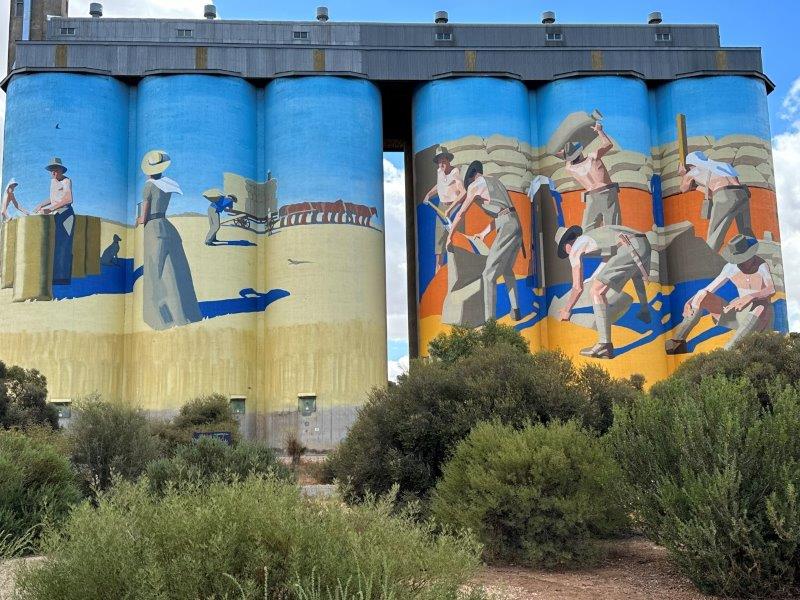
The silos are next to the main road through town . The silos depict the local communities involvement in farming in 1914 and leaving their land to build trenches in the Gallipoli war, in 1915.
Just behind the silos is a massive oval where the town welcomes campers to stay and explore the area. This was one of the friendliest towns we stayed so far. Campers are invited to become part of the community during their stay. From trivia nights to well stocked community and camp gardens where you can help yourself to veggies, salads and herbs.
During our stay we met a few locals and even the Mayor, Rodney. Locals told us that Rodney would sometimes mow the oval with a push mower, in the rainy season. When we met Rodney he confirmed that mowing is part of staying fit and healthy. To mow the oval, takes 180 000 steps.
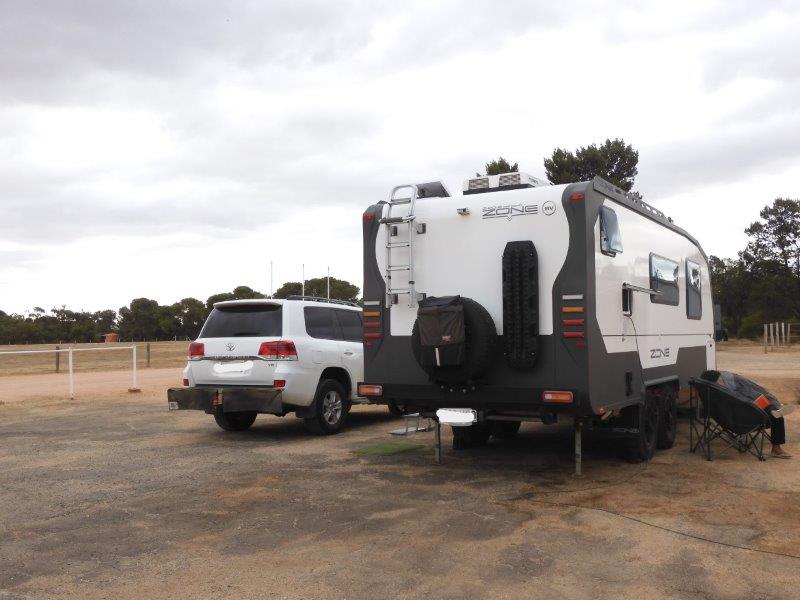
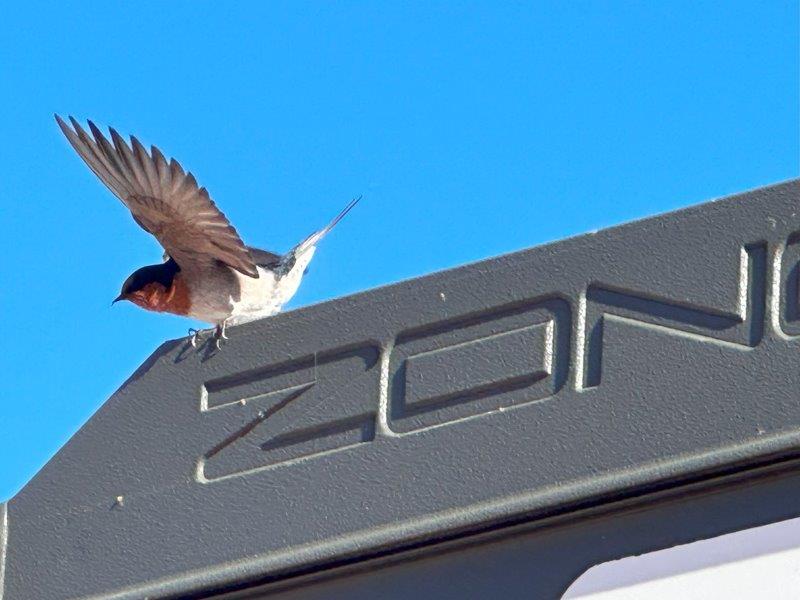
At the oval we had easy access to water, a few feathered visitors and even a show of horse riders practicing their barrel jumping.
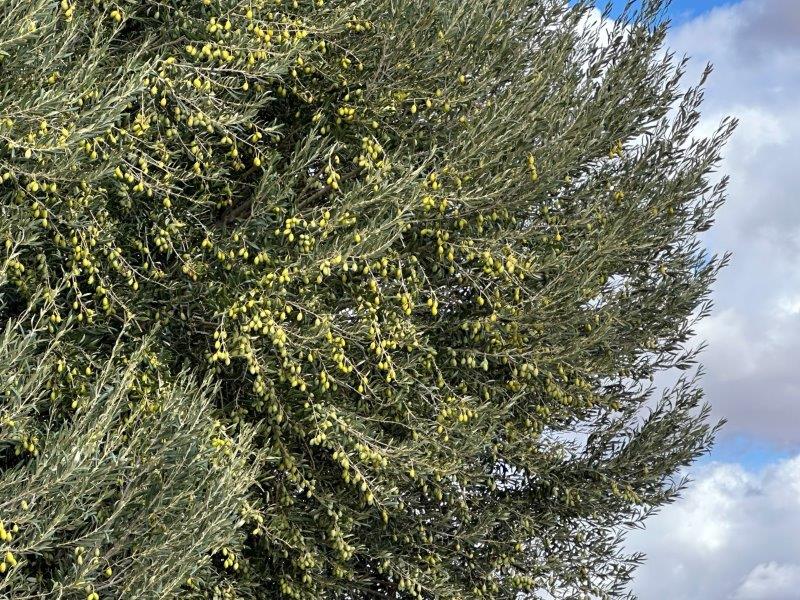
The main roads were lined with green and black olive trees, ready for the picking. Curing olives and maintaining a fresh salt brine in a caravan, needs a bit more commitment than what we had.
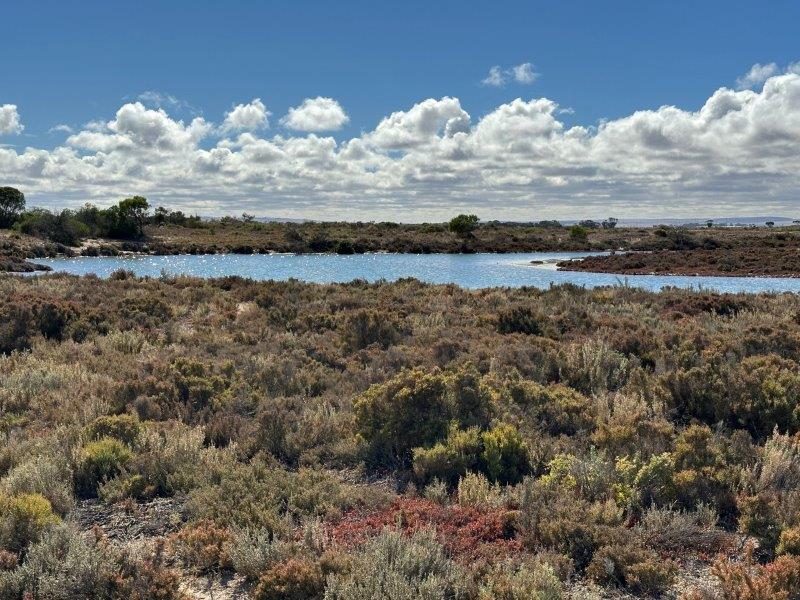
From Owen we did a daytrip to Port Wakefield, and did one of the short walks.
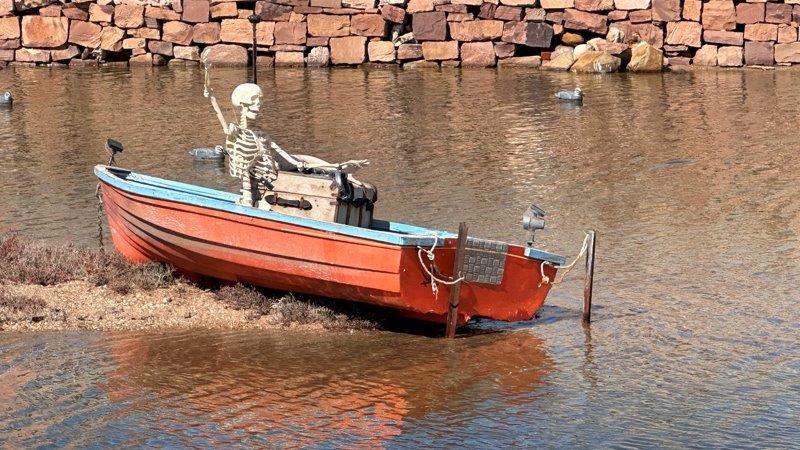
We saw this pirate on the river. We were not sure if he was waiting for a bite, or neglected to slip slop slap.
We also explored the Barossa Valley from Owen. Although the Barossa is mostly associated with wine, there are many places of interest to visit.
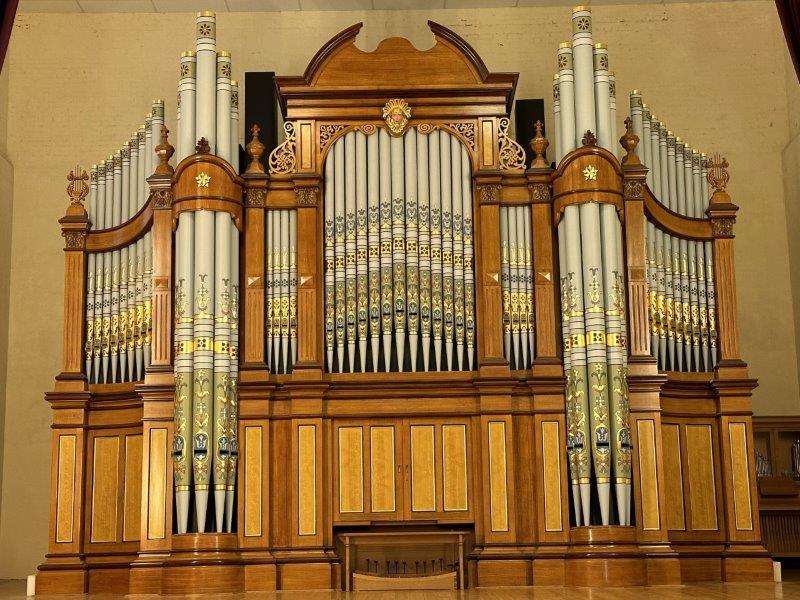
On the way to the first winery we stopped at the Hill & Son Grand Organ. This organ was first played in the Adelaide Town Hall in 1870, restored in 1970 and moved to the Barossa in 1989.
The organ is open to public and still being played a few times a week.
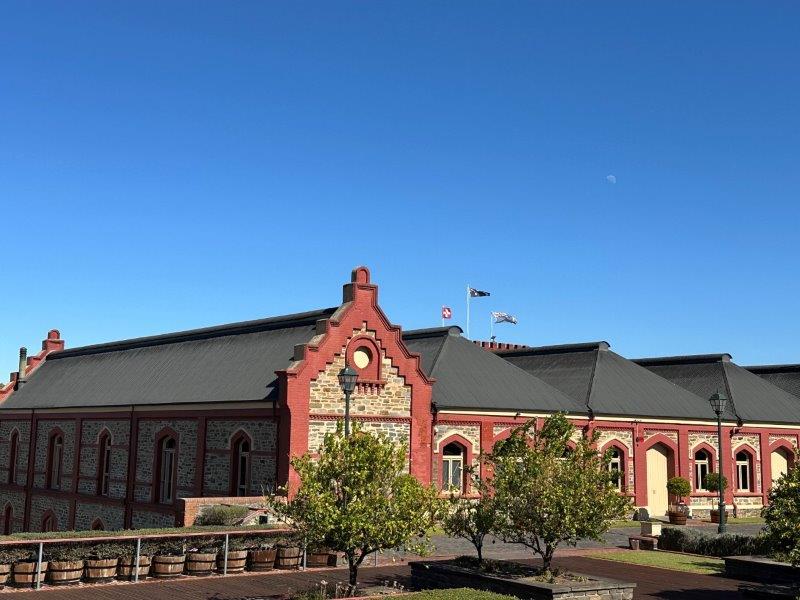
Our first winery was Chateau Tanunda. This cellar has produced wine for more than 130 years.
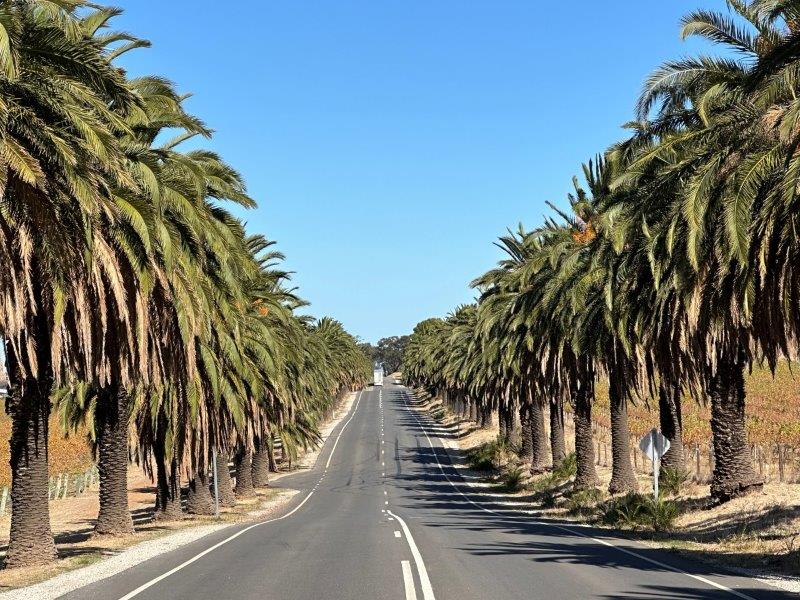
On the way to Seppeltsfied Winery, we passed through the Avenue of Palms. These Canary Island Date Palms were planted in the depression. The road is lined by more than 2000 palms.
The old Seppeltsfield Estate buildings are in stark contrast with the modern shops and restaurant inside it.
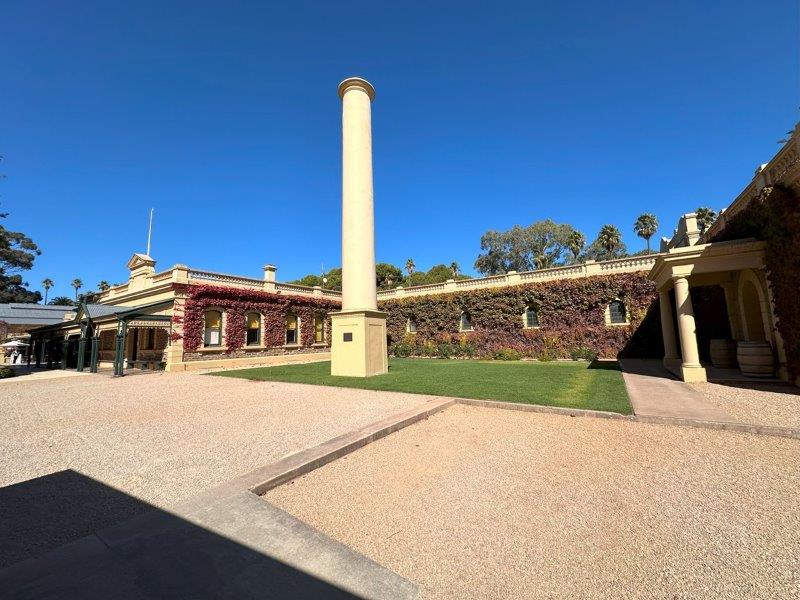
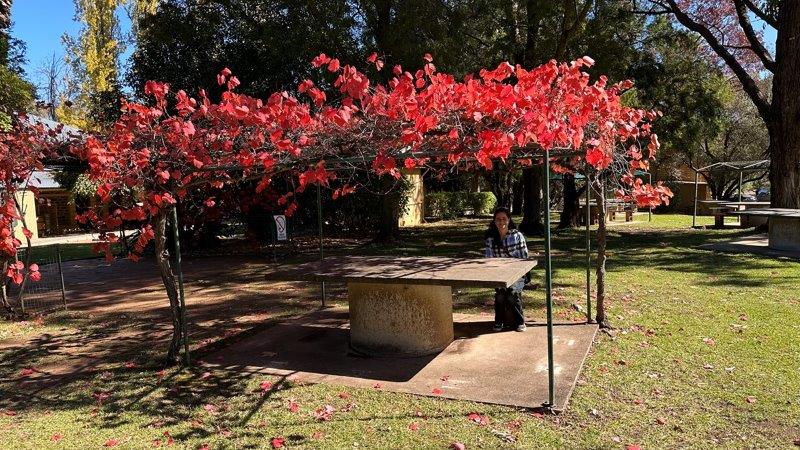
The estate has large grassy areas with vine covered verandas, shading the picnic tables.
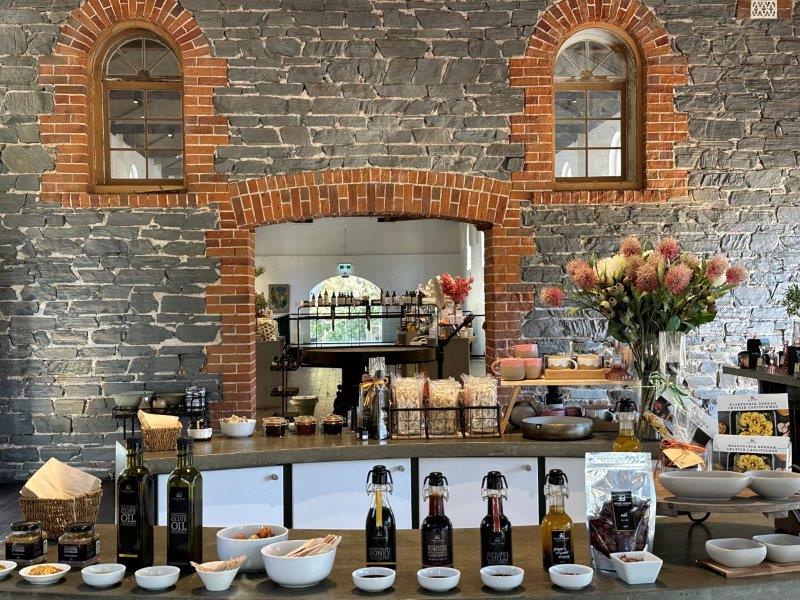
The modern Vasse Virgin at Seppeltsfield sells a variety olive oils and skin care products. Many products are created on site. Complimentary oil tastings were available at the entrance.
We visited Maggie Beer’s Farm shop amongst the quince trees.
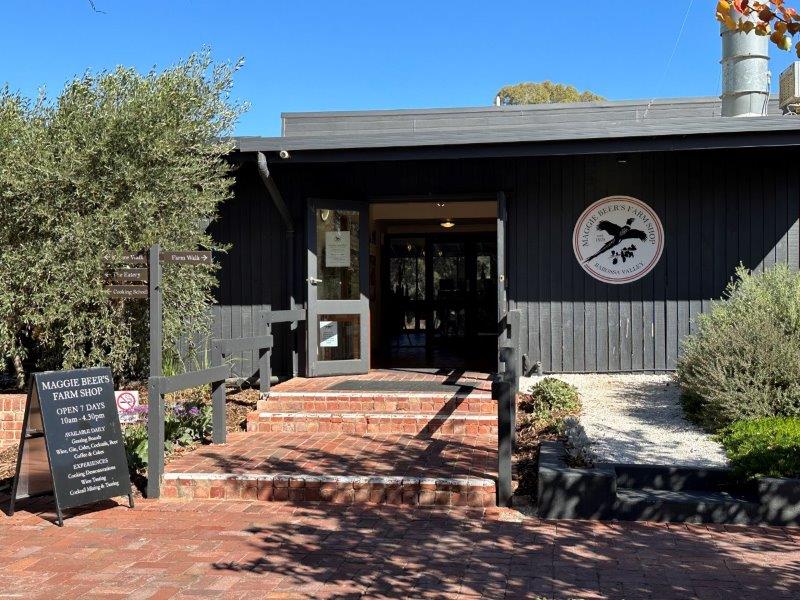
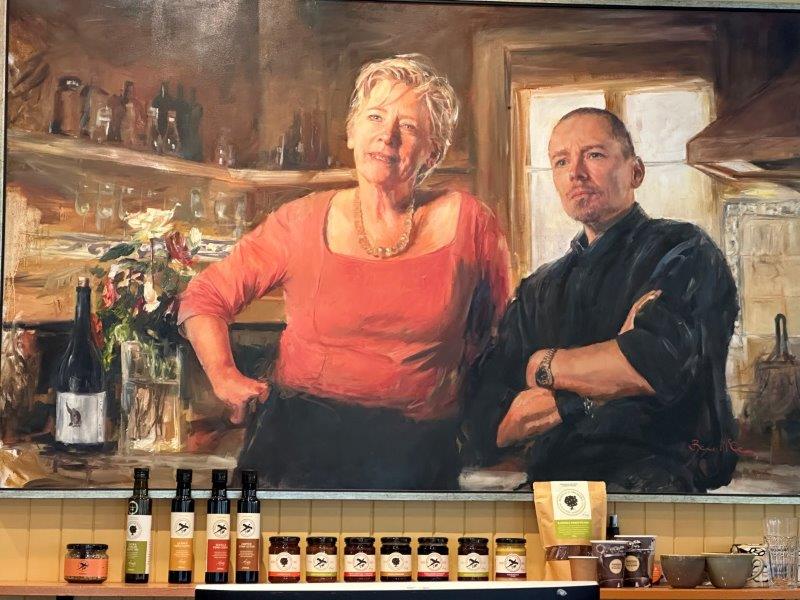
The shop showcased many of Maggie’s products and we stocked up on a few fruit pastes. A picture of Maggie Beer and Simon Bryant, painted by Barry McCann, was on display at the shop.
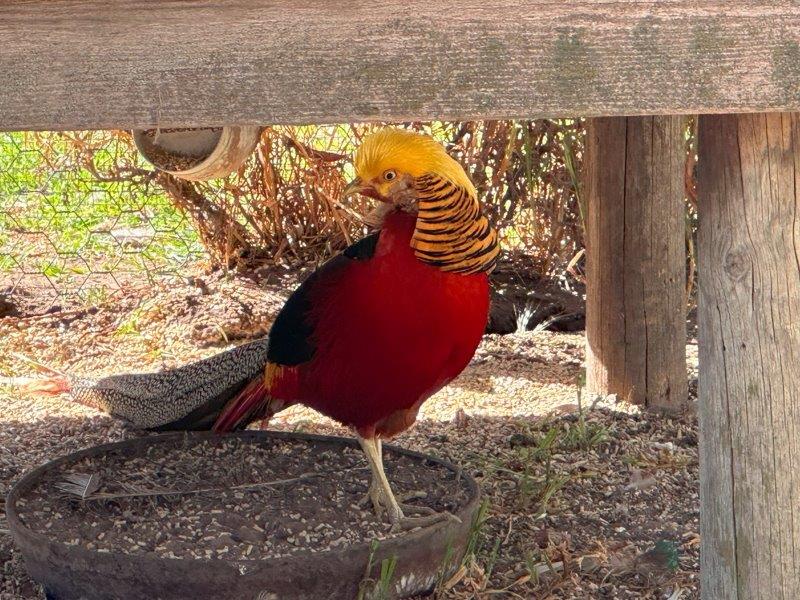
Outside the farm shop is a few bird aviaries. Maggie and her husband had a keen interest in game bird breeding and there is still a many beautiful birds on the farm. Of the many exotic birds, the Golden Pheasant caught the eye.
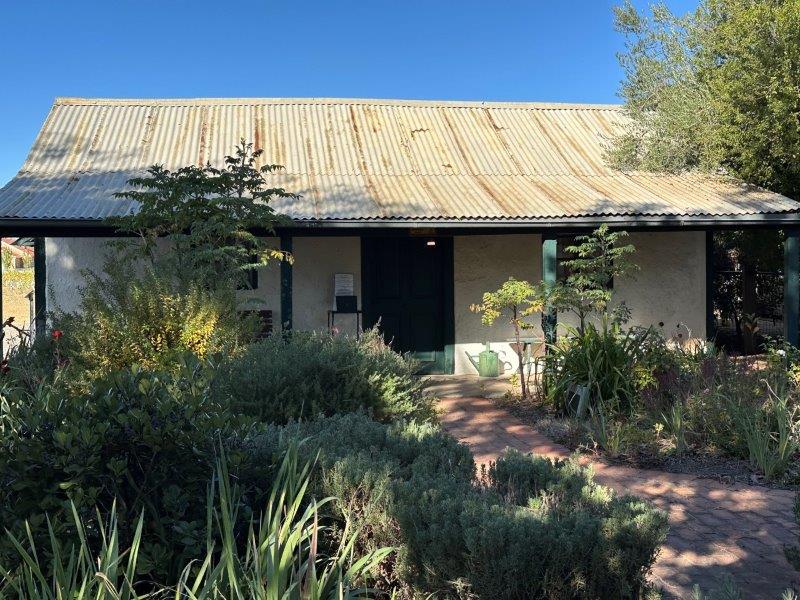
We stopped at the Luhrs Cottage Museum and spent a few minutes browsing through the displays of days gone by.
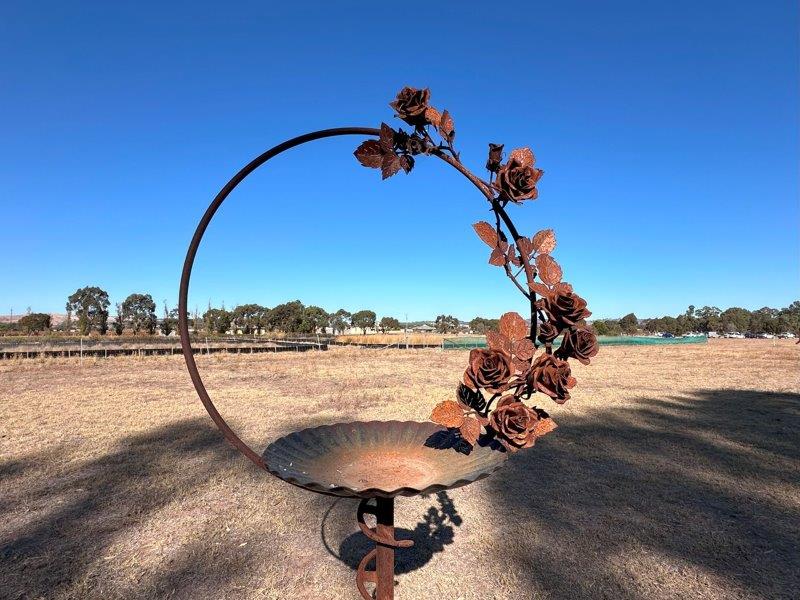
Before we left the Barossa, we had lunch at the Barossa Bush Gardens. At the time, the garden featured a display of Metal Art pieces.
After the Barossa, we got ready to move on to the Yorke Peninsula.