

From Cooktown we travelled south to Mossman through the Atherton Tablelands following the Mossman Mount Molloy pass.
We stayed at the Mossman Golf Club RV Camp for a few days. From Mossman we explored the region around it.
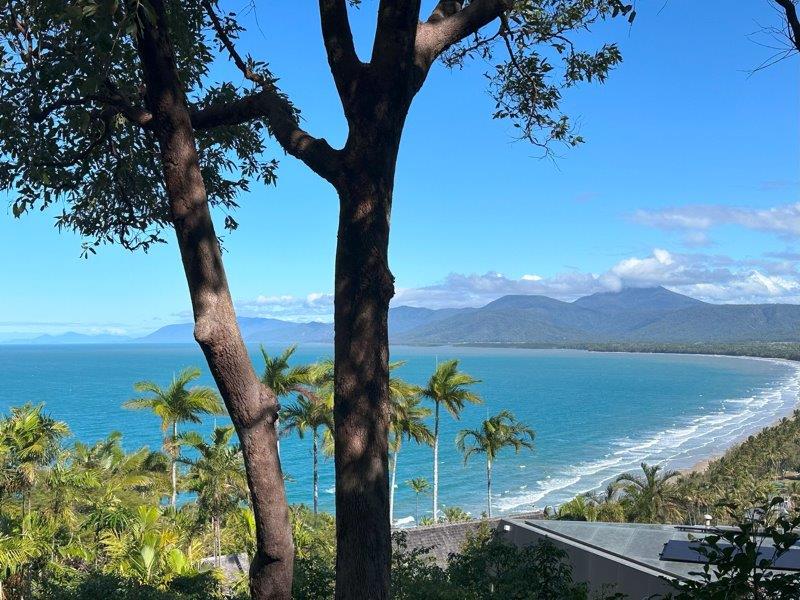
Flagstaff Hill in Port Douglas, just south of Mossman, was our first stop. This lookout provides a great vantage point to the south towards Alexandra Reef.
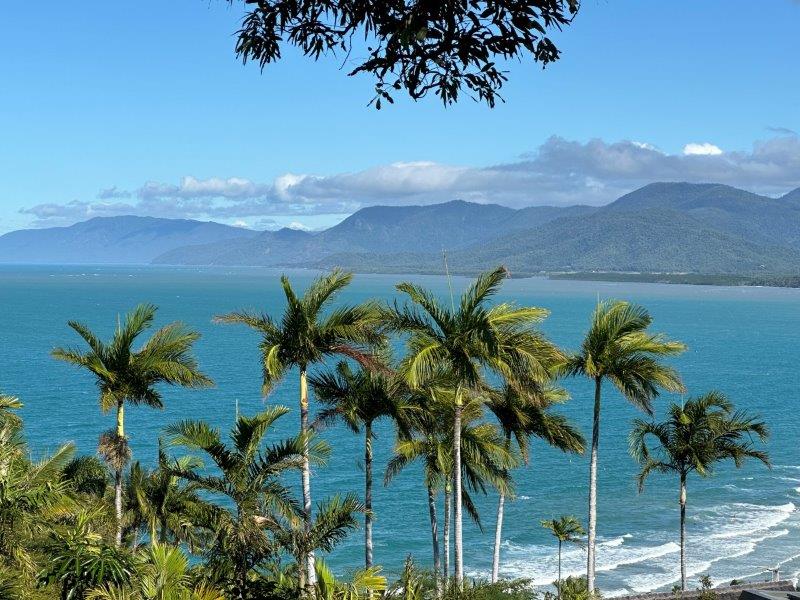
The vegetation and climate in Port Douglas looks and feels like the tropics.
After a busy morning, we slowed down at Rex Smeal Park in Port Douglas. The yachts and cabin cruisers slowly drifted past into the harbour.
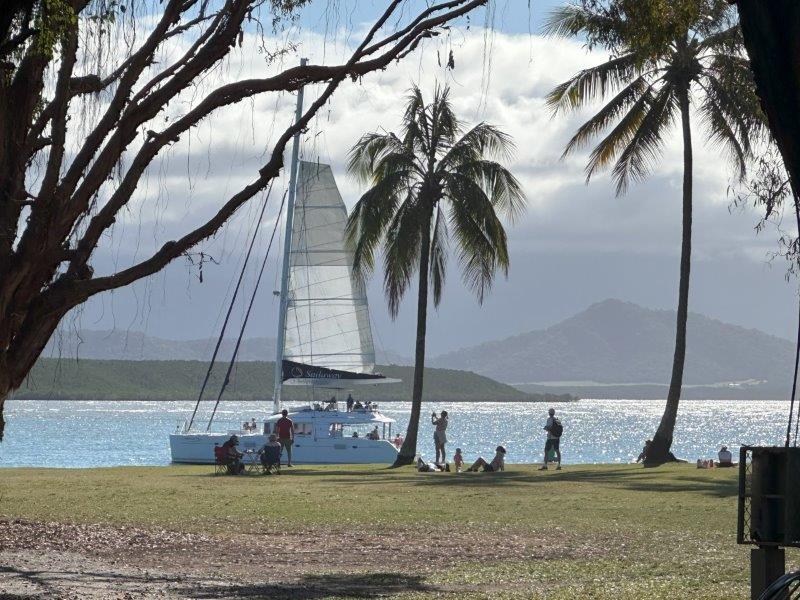
The tranquillity in this park is hard to explain. Shaded large grassy picnic spots where young backpackers congregate and chill.

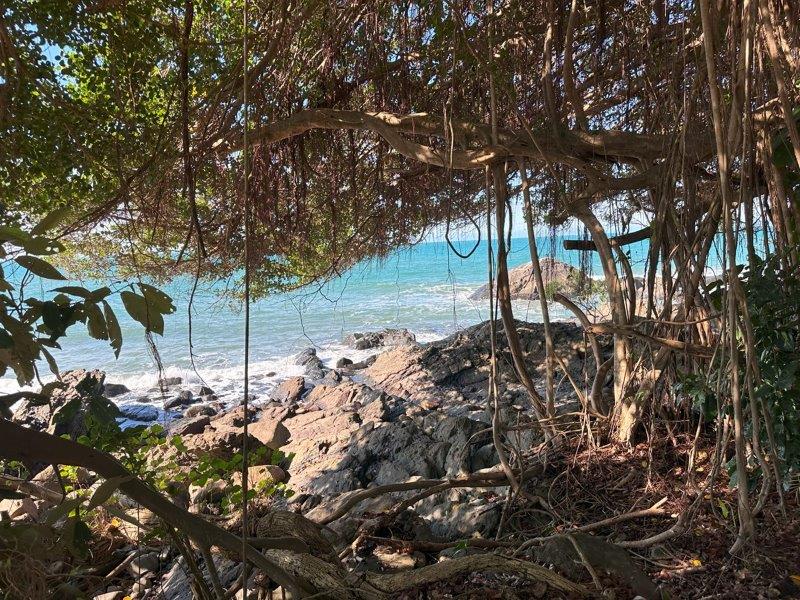
From Smeal Park there is an easy walking track through a web of tree branches and prop roots, to Flagstaff Hill.
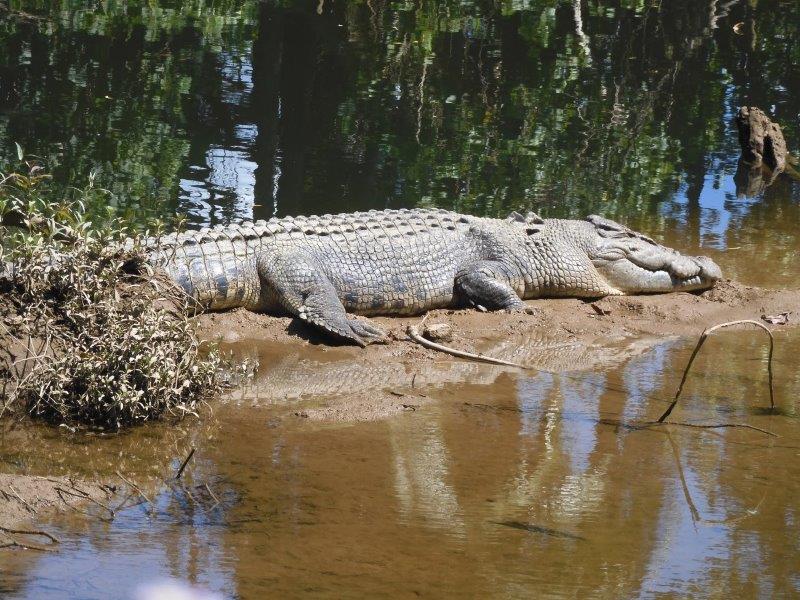
The next day we went north and stopped at Bamboo Creek on the Mossman Daintree Road were crocodile sightings were reported. Initially we could not see any crocs and on our way back to the car, we realised we walked past this monster.
We understand this croc is dubbed Howard and was flagged for removal in 2019 when a local schoolboy made a heartfelt appeal to the Minister to remove the croc trap from the river. In his appeal Elroy Wood said “I loved watching Howard the crocodile sunbake and enjoyed seeing him from the bridge every afternoon”. It seems like his appeal was successful.
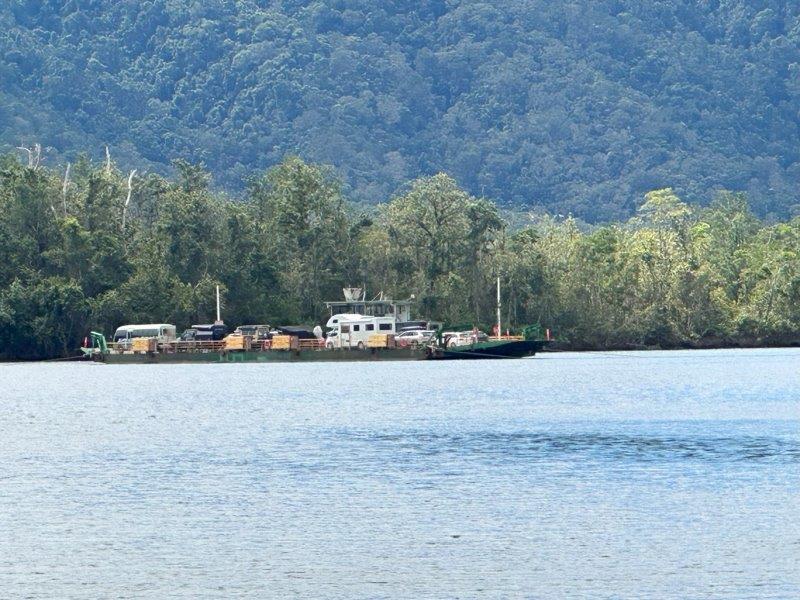
We headed further north to the Daintree Ferry, to explore parts of the Daintree we missed on our previous visit.
We also followed the Daintree River to drive the CREB track. The track was closed by council due to hazardous conditions.
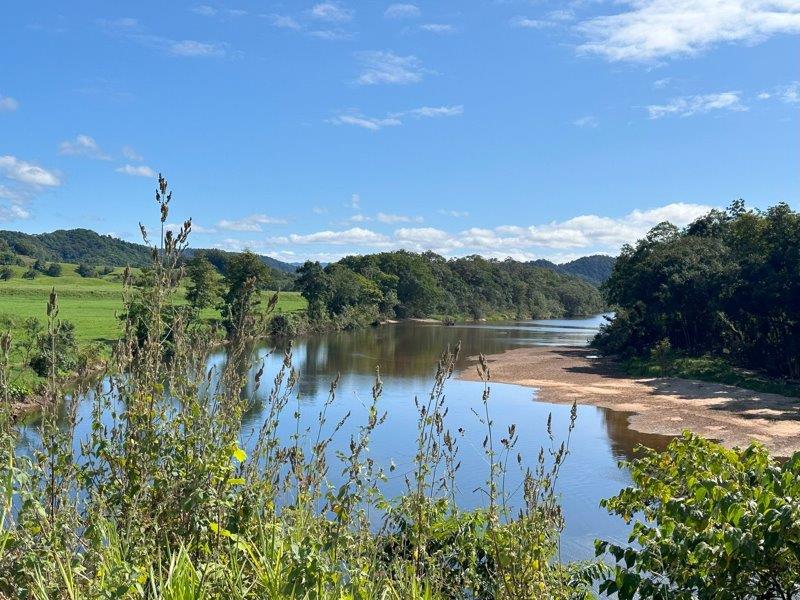
From the rainforest we headed west to the local tropical beaches. Cooya Beach was the first and we had the beach to ourselves the entire time we were there.
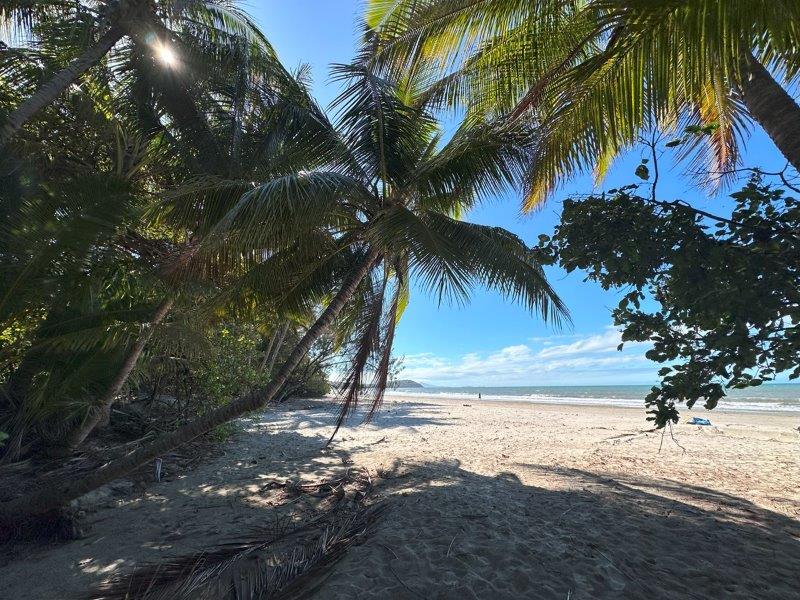
Not a car or a person in sight.
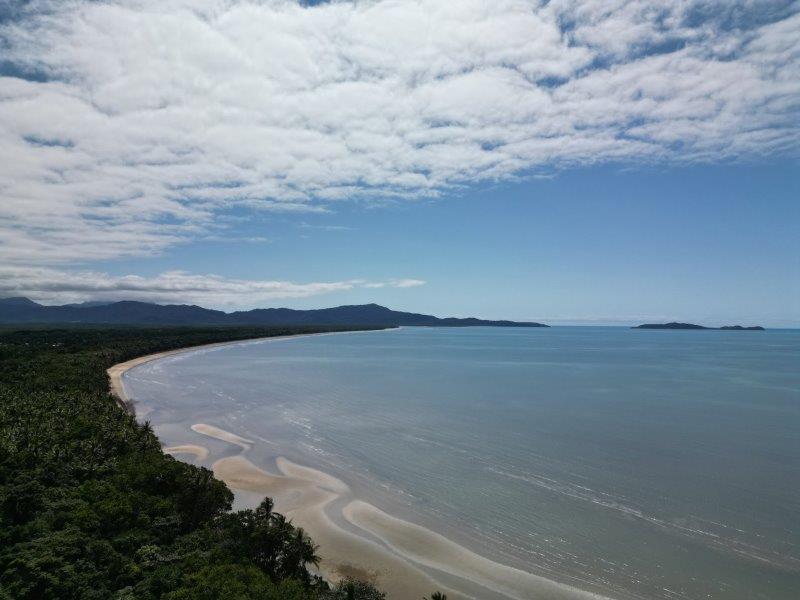
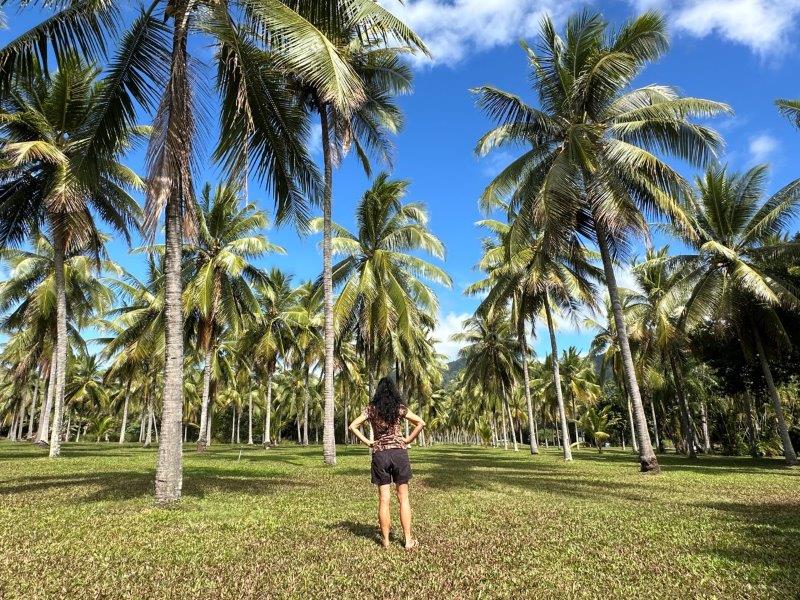
After stopping at Oak Beach, we passed through a massive palm plantation on the way to Thala Beach Nature Reserve.
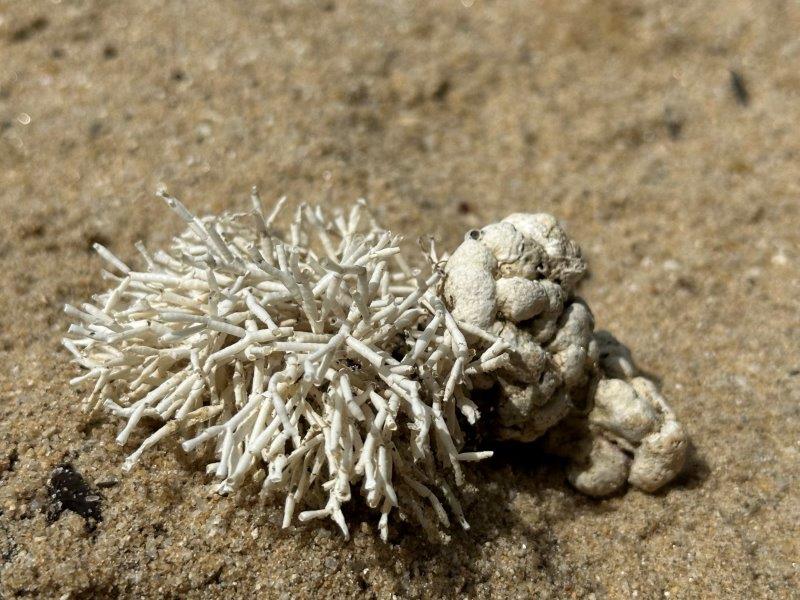
Our next stop on our beach hopping day, was Rocky Point Beach, with rocks and coral scattered on the beach.
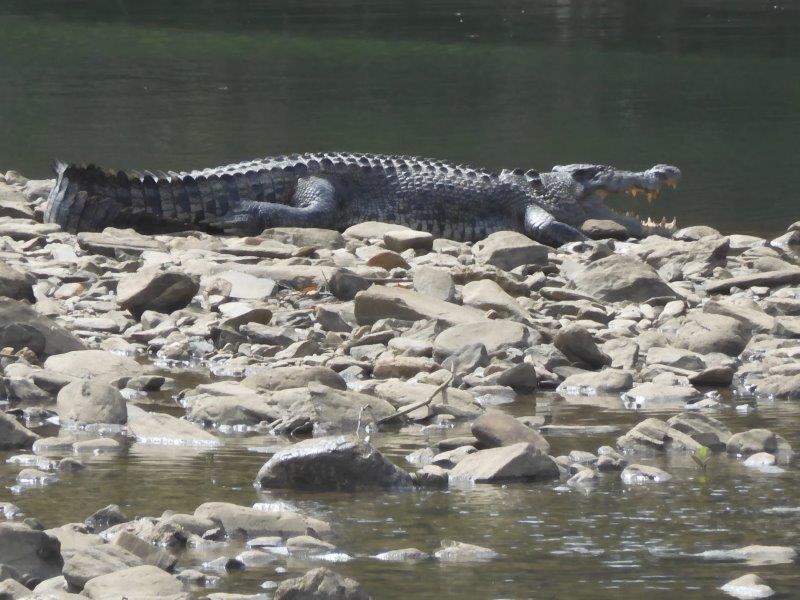
Another bridge, another croc. We saw this much smaller fellow from the Mowbray River Bridge.
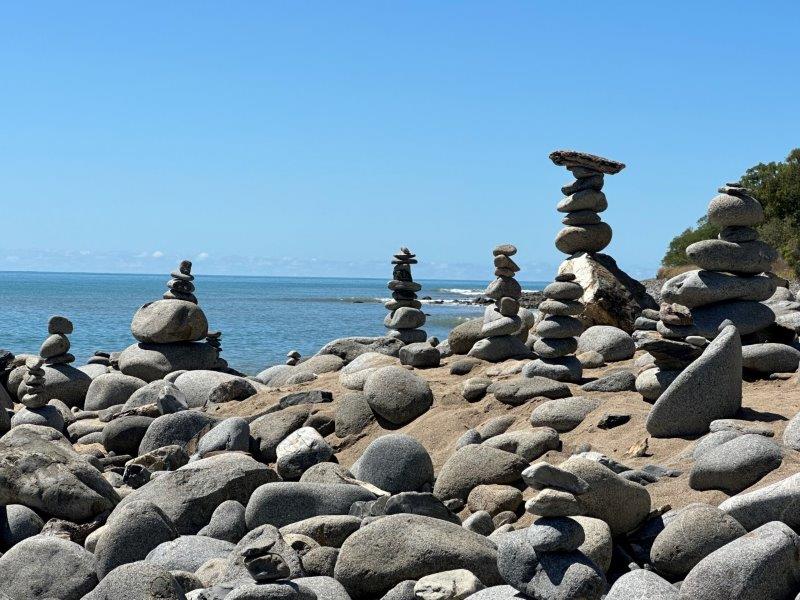
We moved south from Mossman to Cairns. The coastal highway to Cairns is known as the Great Barrier Reef Drive. The drive is winding as it snugly follows the coast line with the lush green mountains on the opposite side of the road. There were a few stopping bays on the drive to pull over to explore the beaches and other quirky points of interest on the way, including the balancing rocks.
As we approached Cairns, we were surprised by the air traffic. Even the city was extremely busy. We have booked a campsite approximately 20km south of Cairns to avoid the hustle and bustle.
The next morning we went into the city. It was challenging to find parking. We strolled down the esplanade’s boardwalks and walkways, lined with eateries.
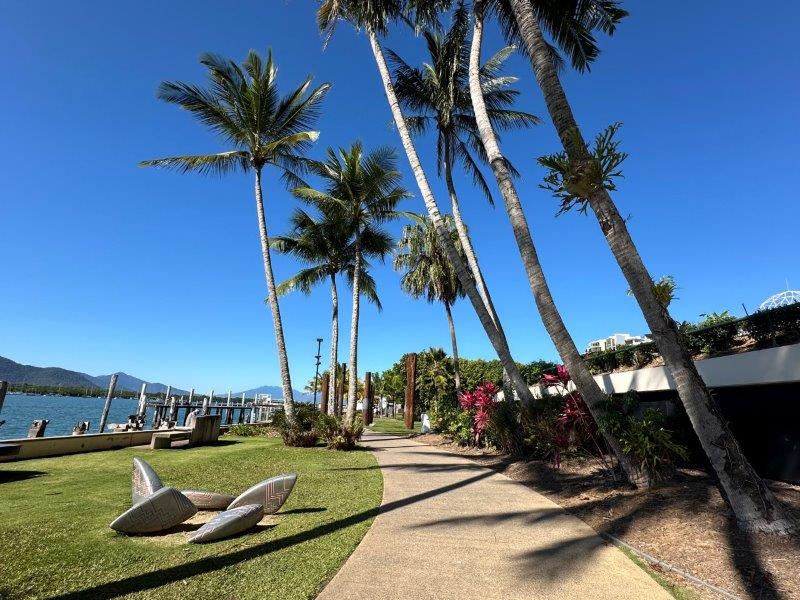
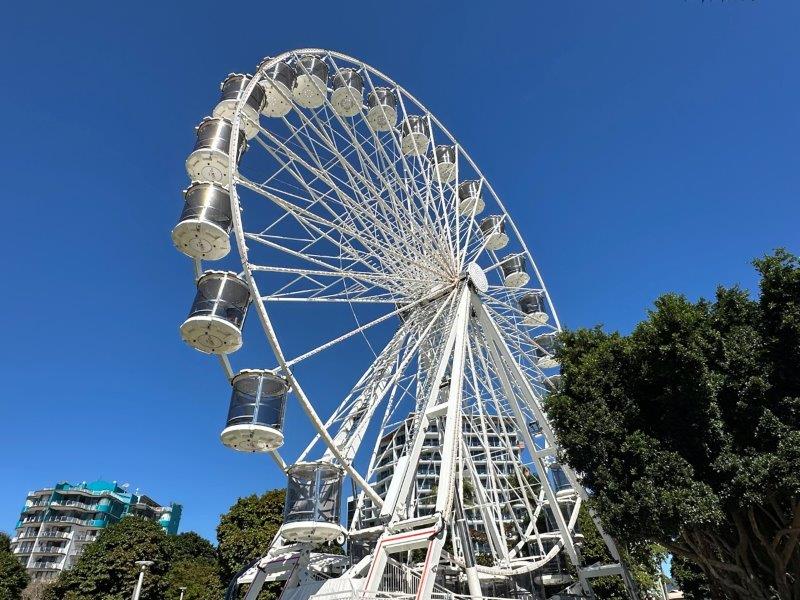
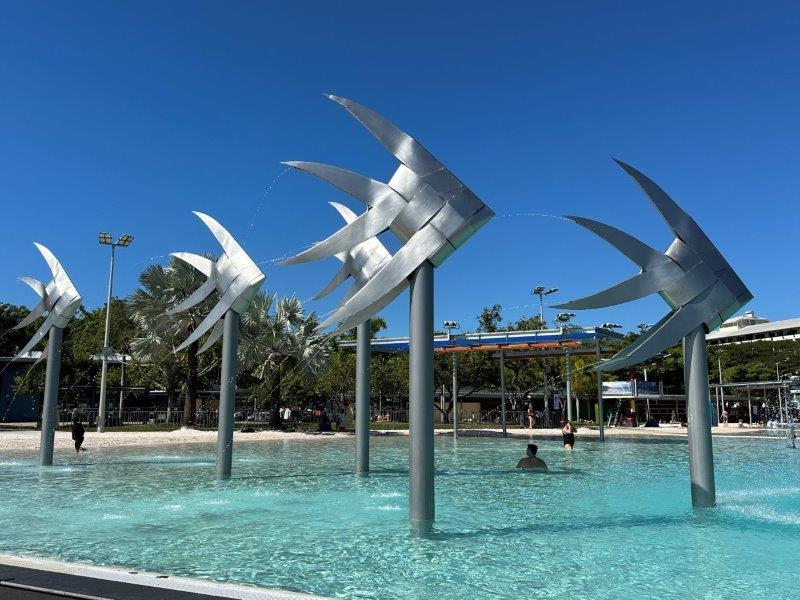
The esplanade offers many activities for visitors including chopper flights, the Reef Eye Ferris Wheel, and the infinity pool.
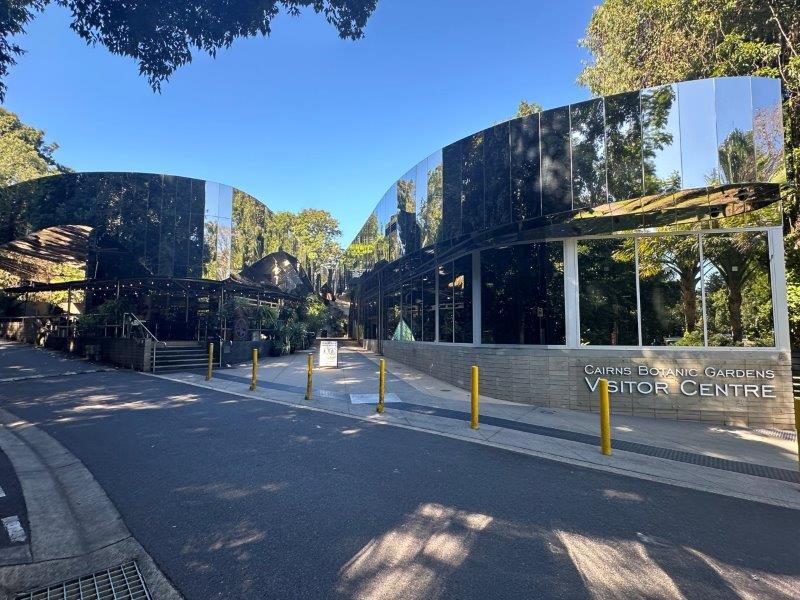
The day after exploring the city we visited the botanical garden. This vast botanical garden has a modern Visitor Centre at its entrance.
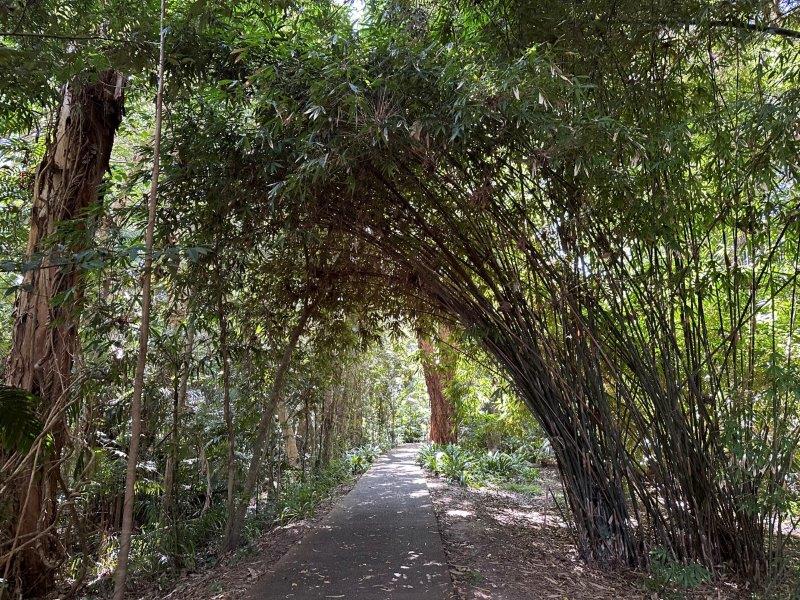
Small walkways link different sections of the gardens.
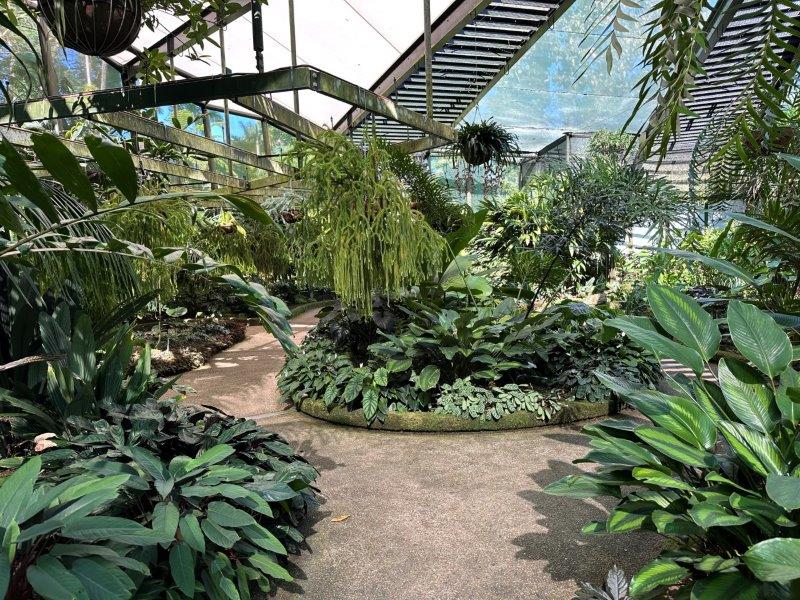
The Watkins Munro Martin Conservatory in the Cairns Botanical Garden has a substantial collection of rare plants, including palms, aroids, bromeliads, cycads and ferns.
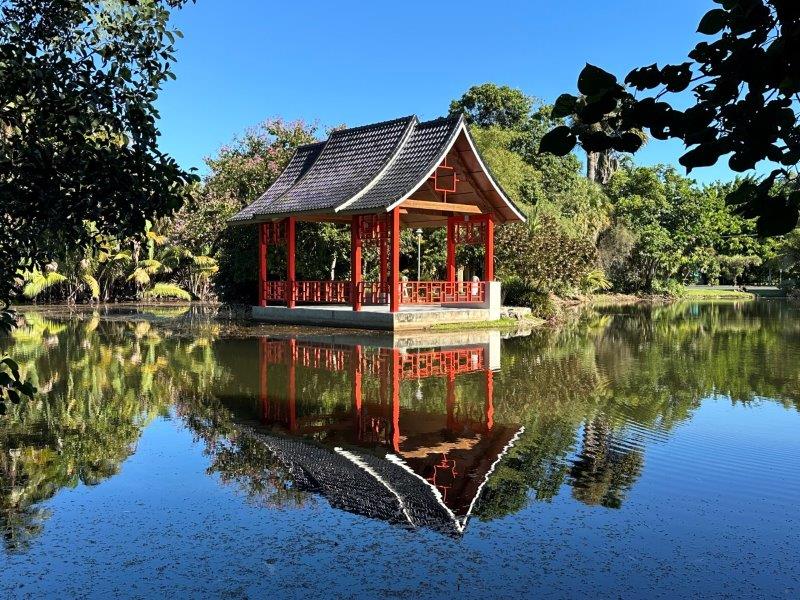
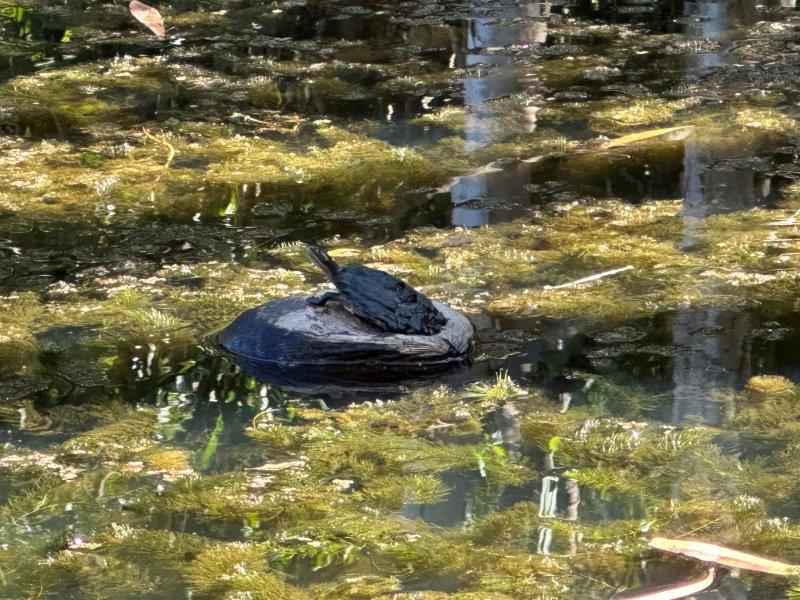
The Chinese Friendship Garden borders a massive pond with ample birdlife and we even saw a small turtle drifting on a coconut.
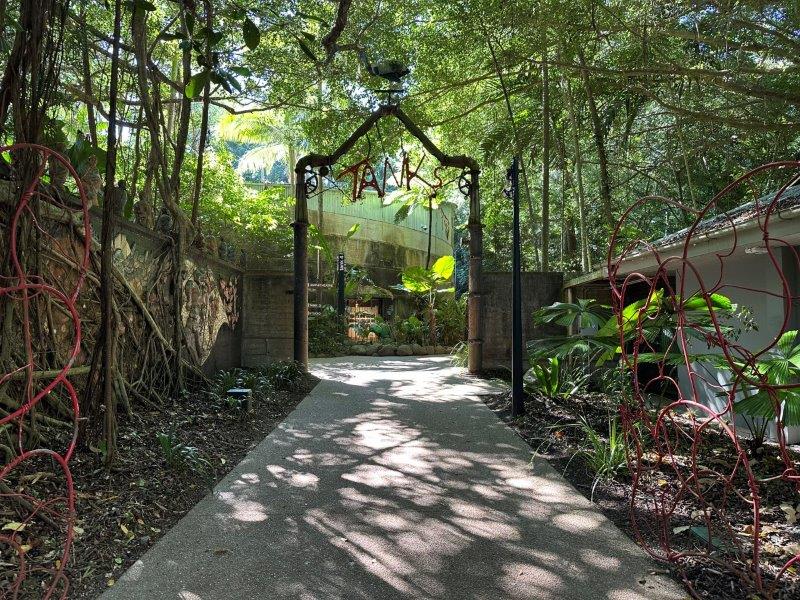
Inside the botanical garden there are three massive oil tanks dating back to World War II. These tanks were repurposed to a multi-arts facility.
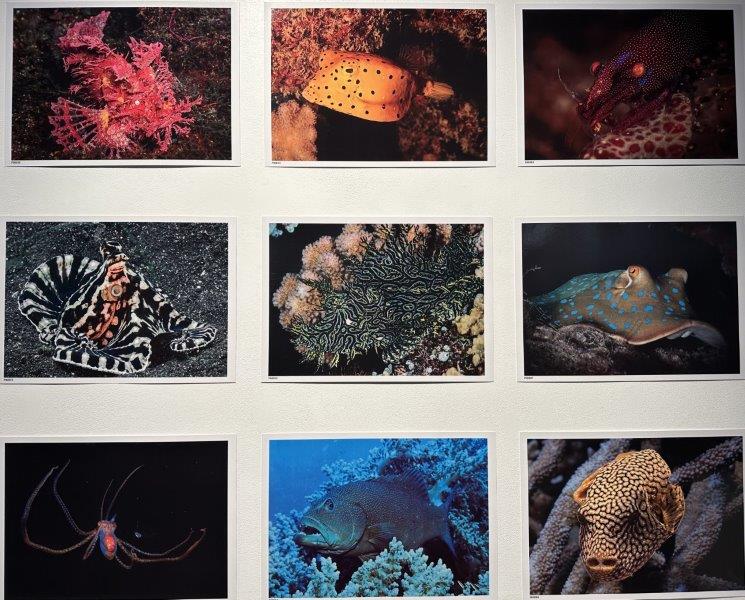
While we were at The Tanks, the Nautilus Scuba Club Cairns Underwater Photography exhibition was on display.
After Cairns, we headed south to Mena Creek. The main attraction at Mena Creek is Paronella Park. This attraction has won more than 80 tourist awards in the past 20 years and it is easy to see why.
The park celebrates the life, dreams and legacy of a local cane cutter turned entrepreneur, José Paronella. José was a Spaniard who saw the opportunity to buy this picture perfect property in a time where everyone was focused on land suited to sugar cane farming.
He build his dream property, castle and all. In 1933 he developed the first hydro electrical power plant in North Queensland and was the first to sell home made ice-cream to the area.
This property was opened in 1935 to locals at a fee. People flogged to the castle to relax, swim or have a picnic at the waterfall.
As an entrepreneur he cashed in on every opportunity to make money on his 13 acre land.
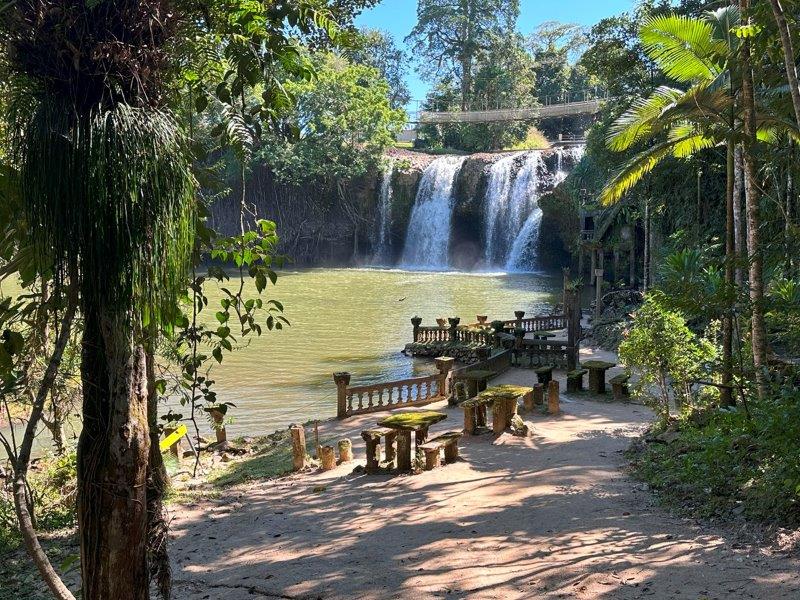
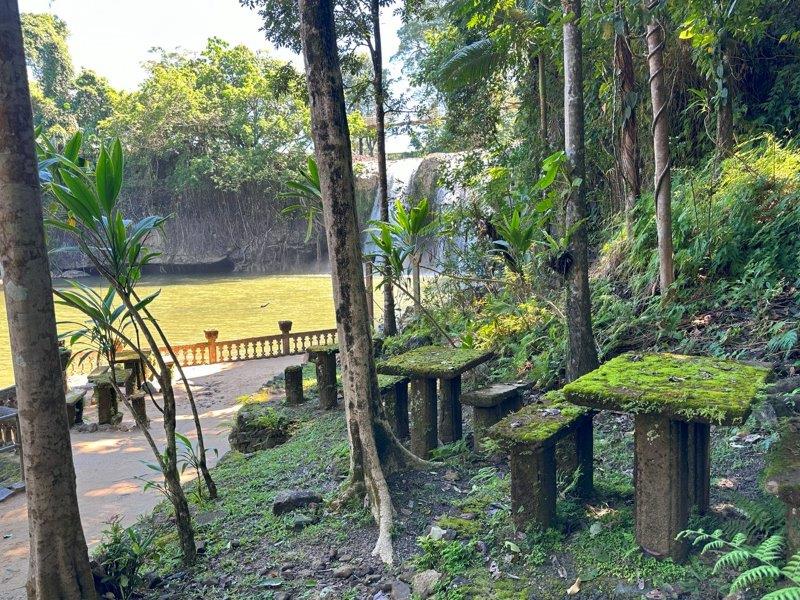
The original picnic tables are still there, covered by a thick moss blanket.
After a few cyclones and many floods in the area, remnants of the castle survived. All buildings are continuously assessed and structurally reinforced for enjoyment of future generations.
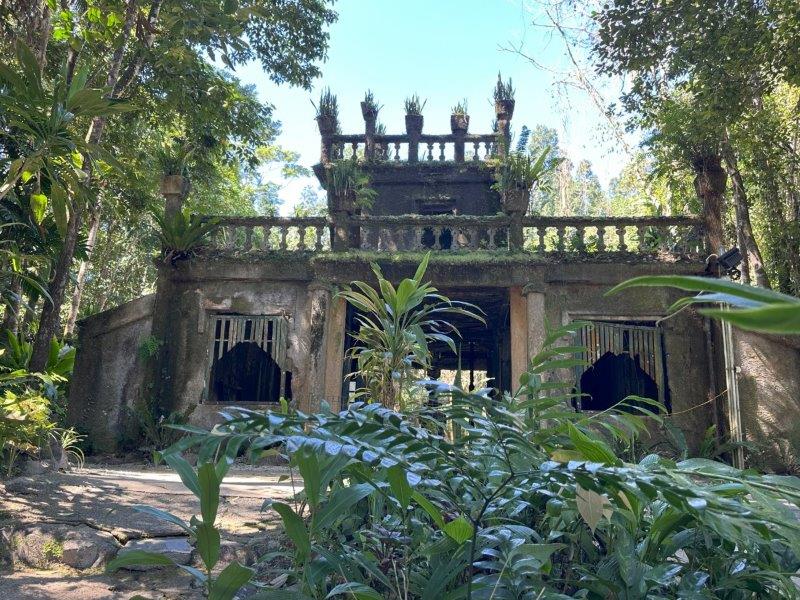
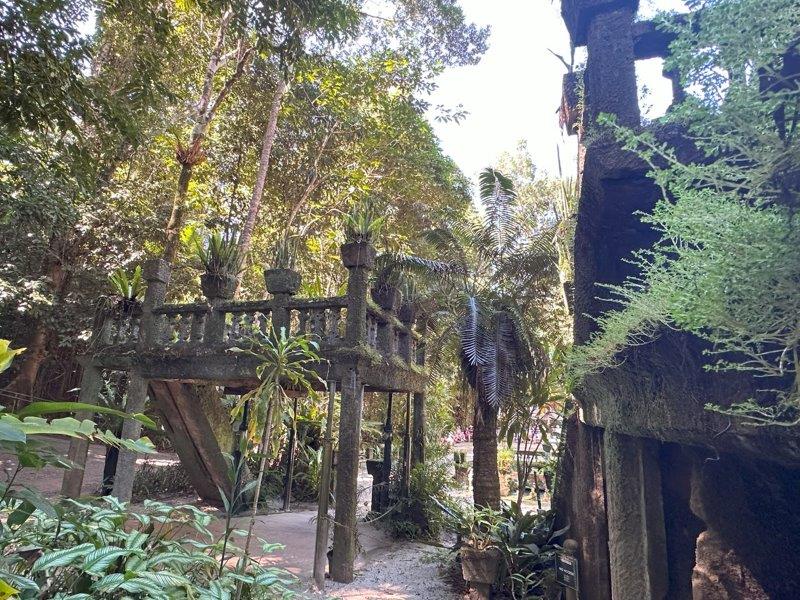
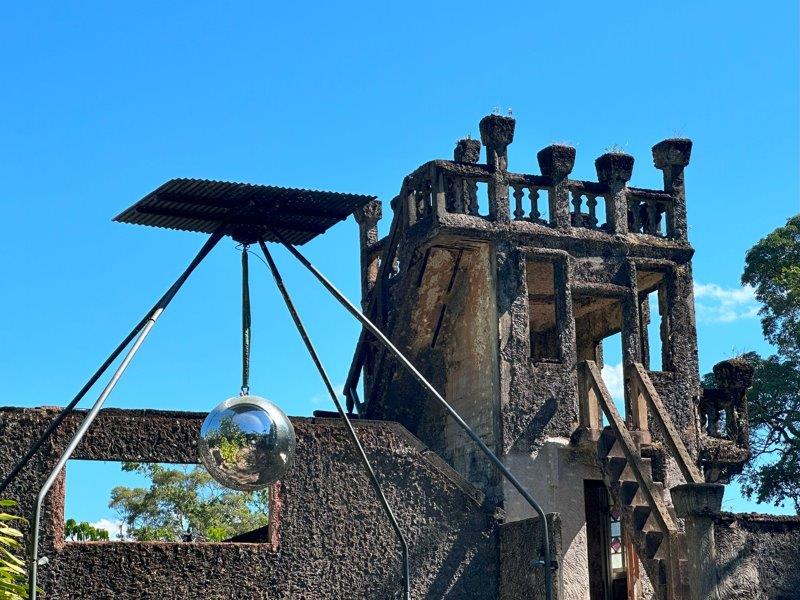
The remains of the ballroom with a replica disco ball is still open to visitors. The original ball was a meter in diameter and potentially one of the first in Australia. The ball was imported from America at a cost comparable to the original purchase price of the property. According to the tour guide this ball was the centre of many great parties and celebrations.
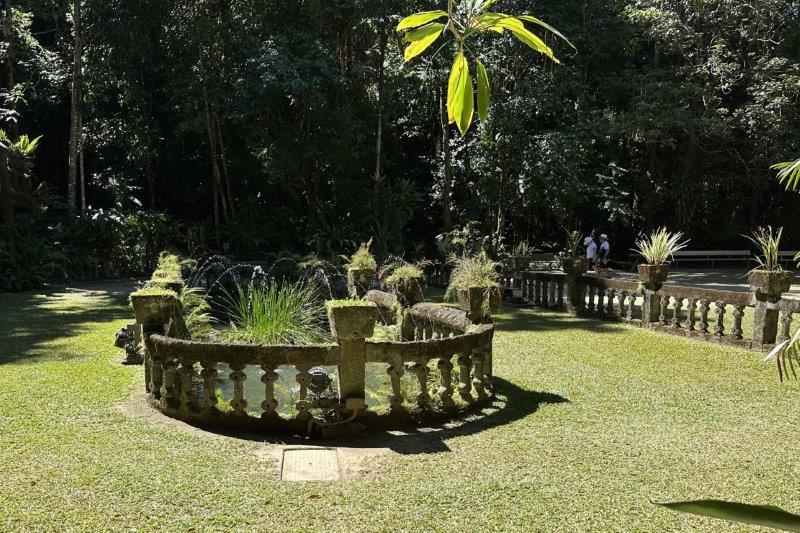
Following the staircase takes you to the lower gardens, with a fountain and refreshment rooms.
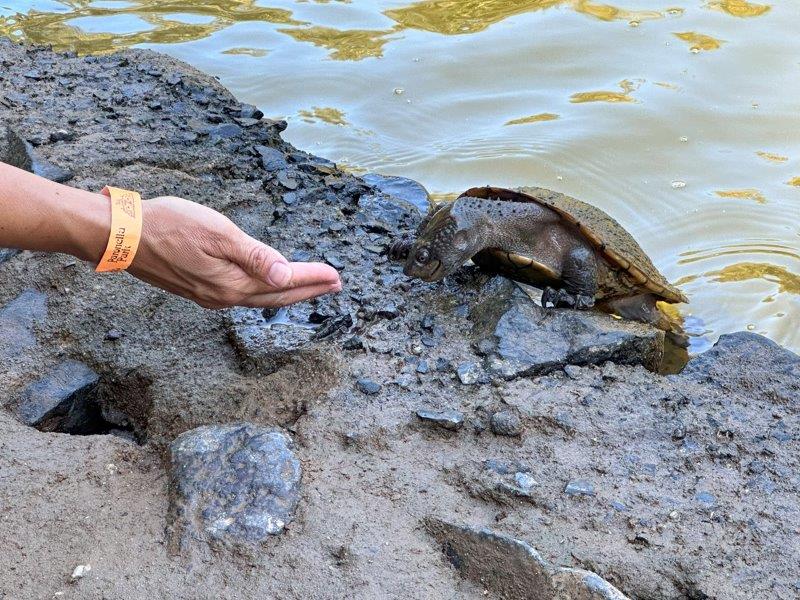
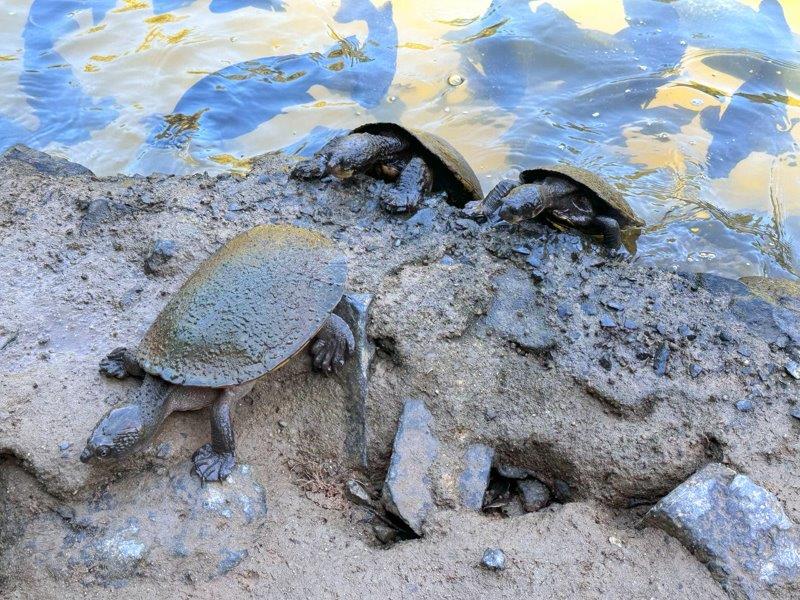
As part of the entry fee, you receive a bag of food to feed the turtles and fish in the river.
We also booked for the night session featuring a sound and light display. It was fantastic to see the park being transformed into a wonderland of excitement.
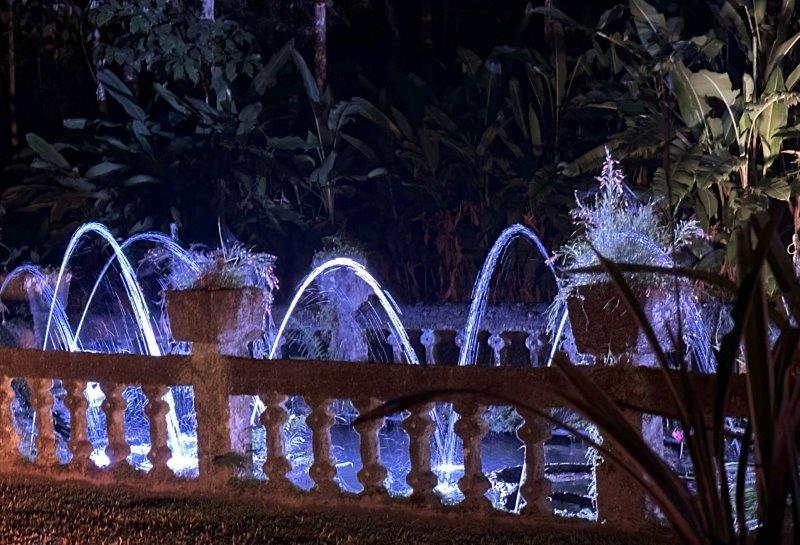
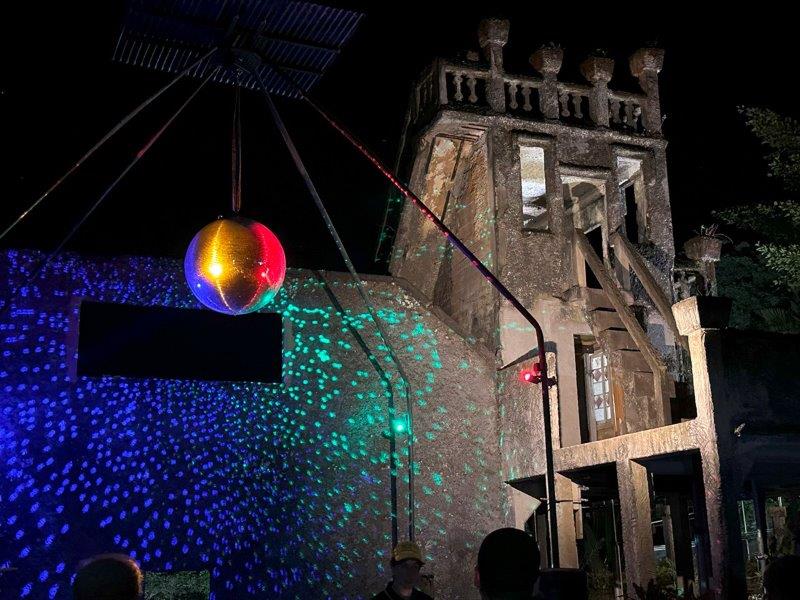
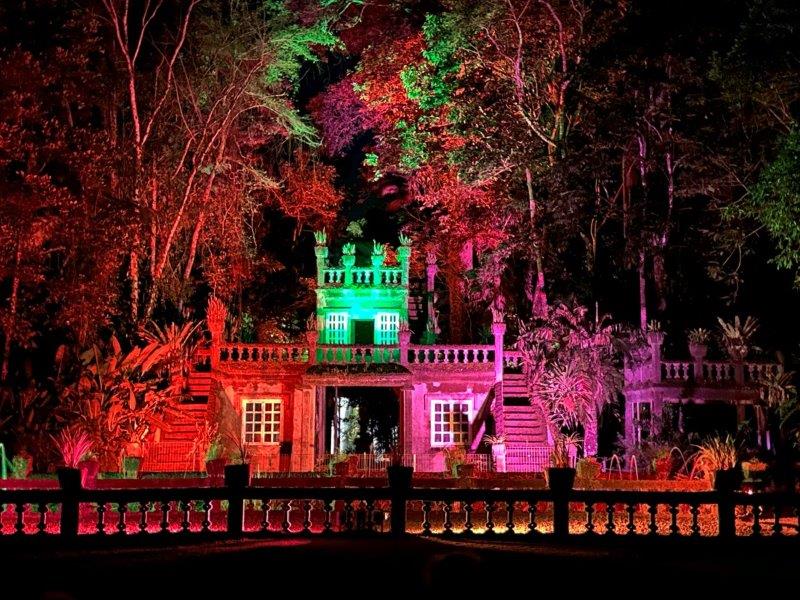
After the light show there was even a successful marriage proposal for all to witness.
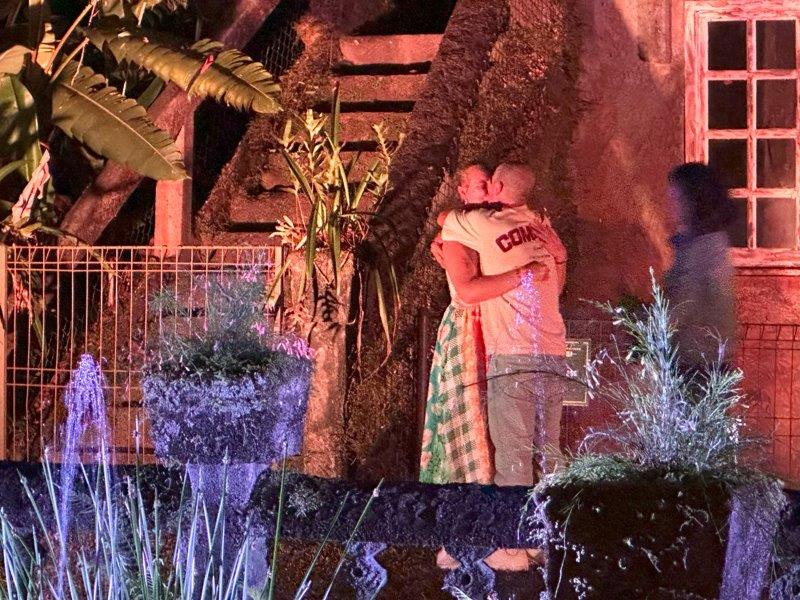
After the show, the park remains open to visitors to explore.
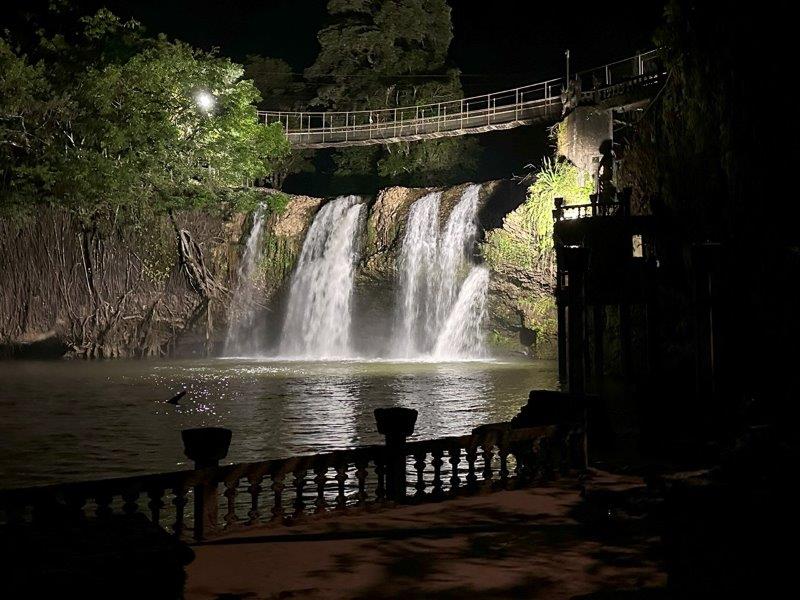
As you are walking away from Paronella Park over the suspension bridge, you realise why this is such a recognised tourist attraction. The Evans family are the current owners and they have a deep connection and commitment to keep the park and town alive.

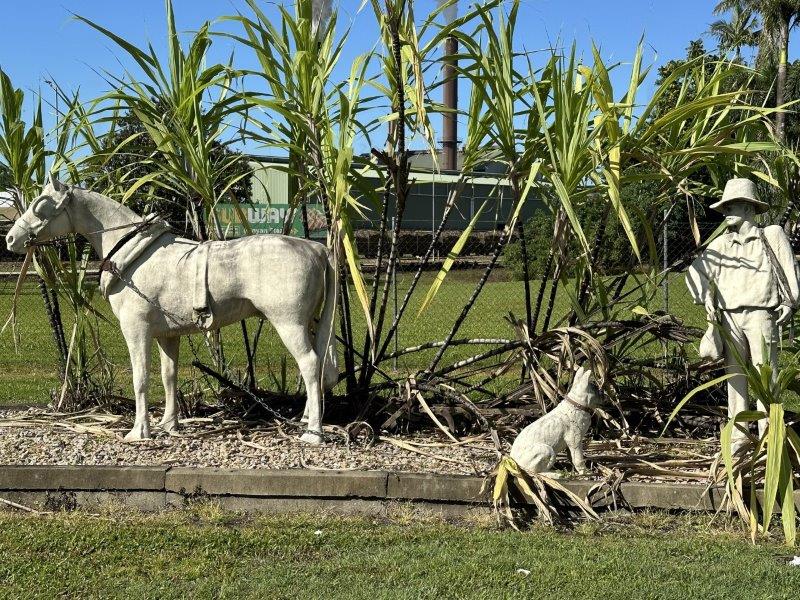
From Menu Creek we went to Tully, one of the wettest towns in Australia. Tully is in the heart of sugar cane country and has a mill operating 24/7. Just outside the mill is a display in remembrance of the Tully sugar pioneers.
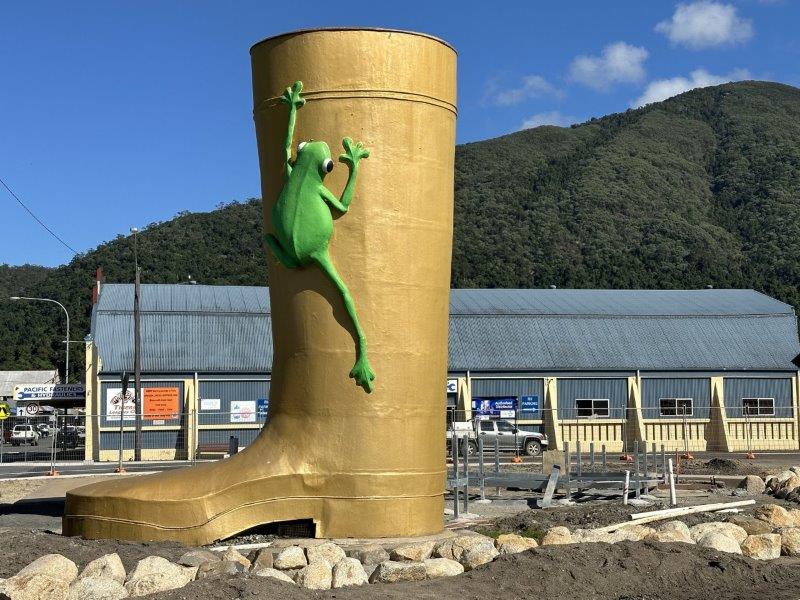
The Golden Boot is 7.9m high representing Tully’s rainfall record, recorded in 195o.
Just north of Tully is Alligators Nest picnic area. This popular swimming spot derives it name for a local scout group, “The Alligators”.
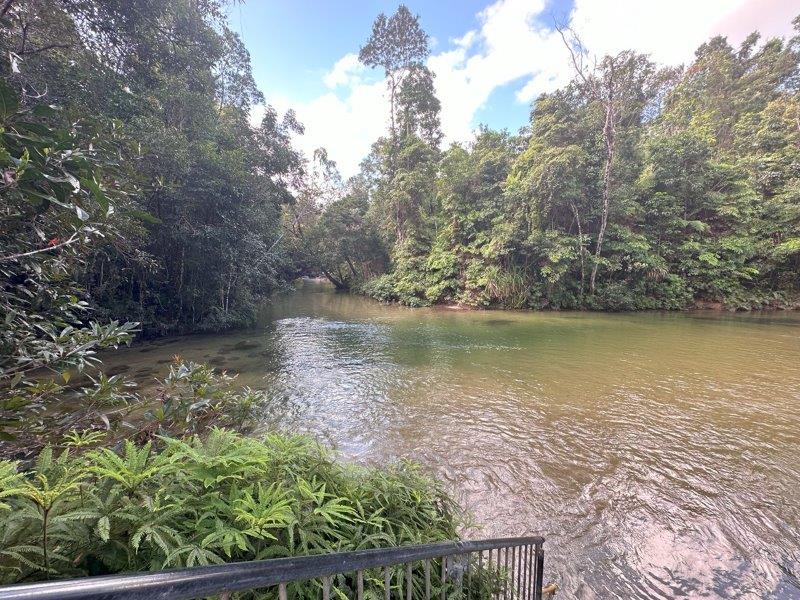
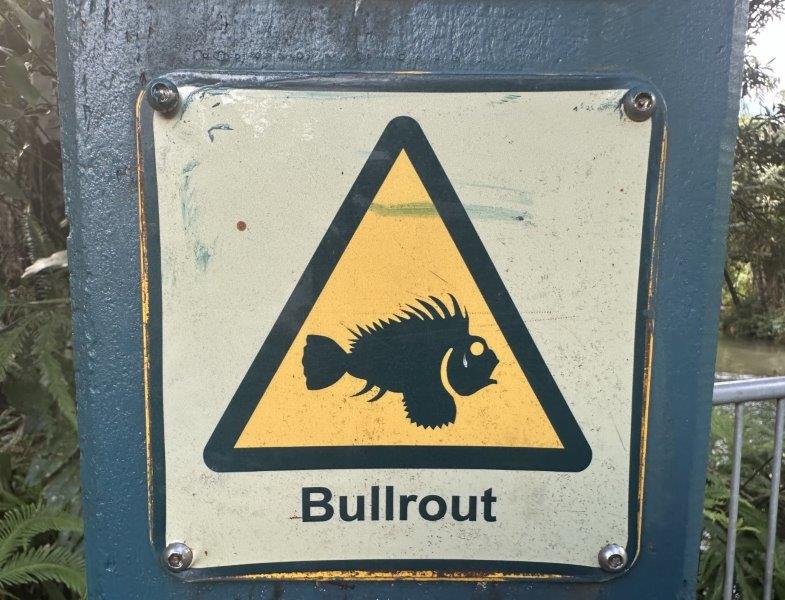
The crystal clear water could be deceiving as you do not want to step on one of these. This chap’s venom glands may not be lethal but will leave you in extreme pain.
While in Tully, we kept one day open to spend on the local beaches and Mission Beach was the first on our list.
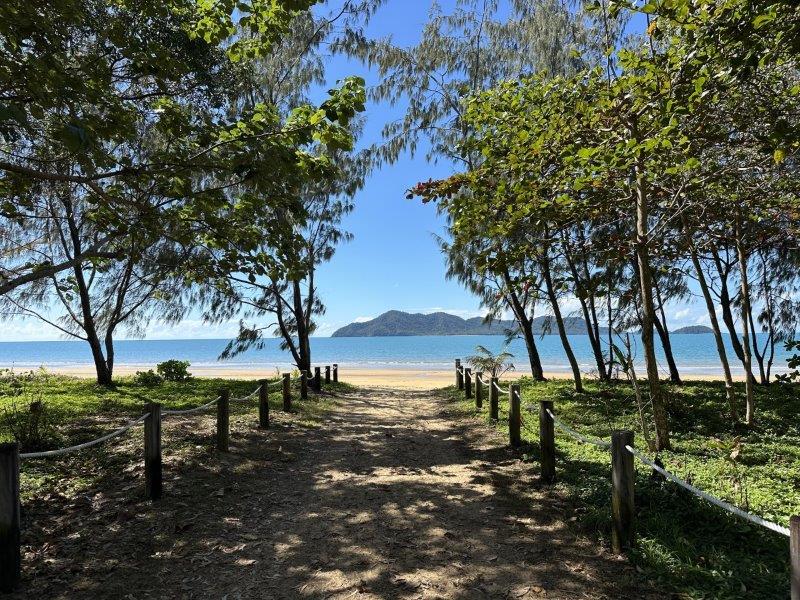
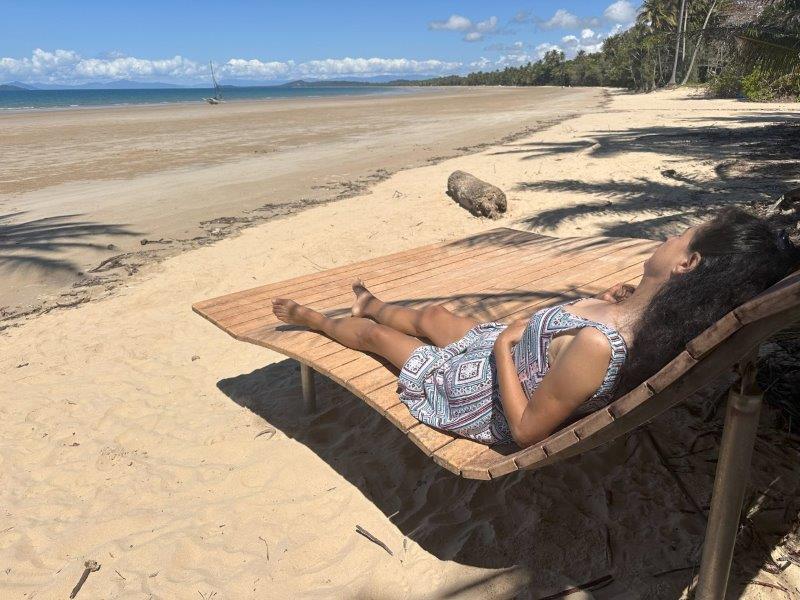
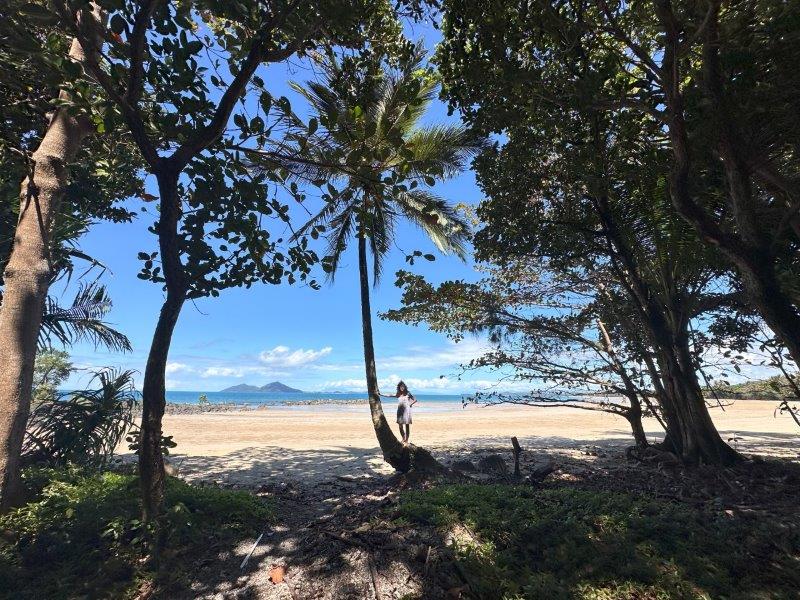
The rest of the day we relaxed at South Mission Beach with the odd local passing by.
The next day we were off to Tully Gorge. The Tully Gorge Road follows the river with beautiful spots to stop, swim or picnic.
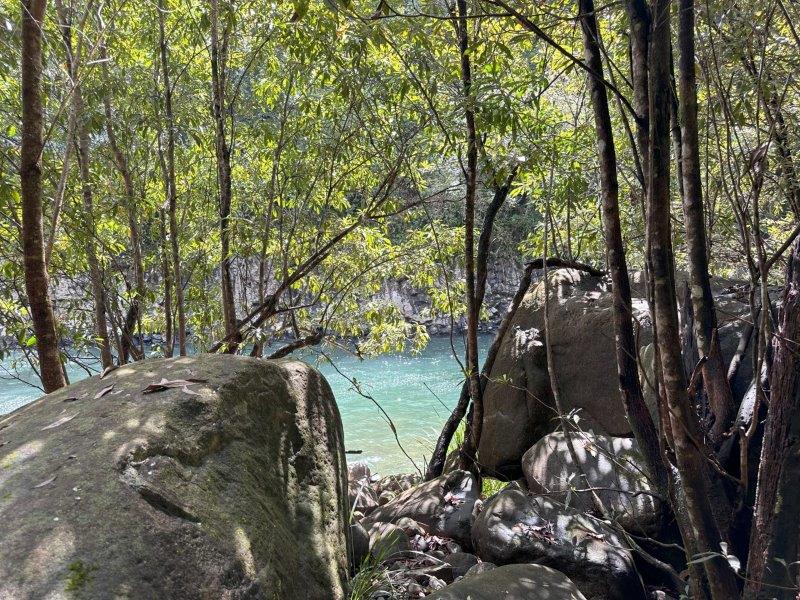
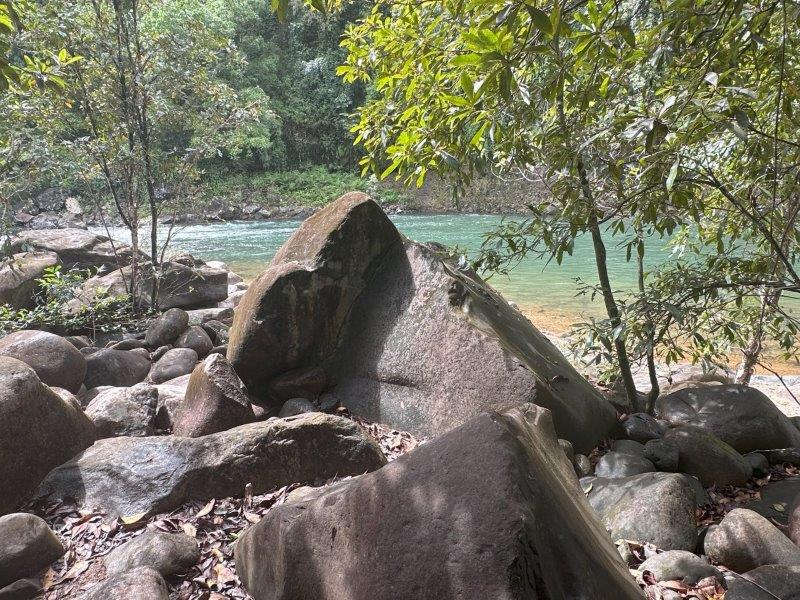
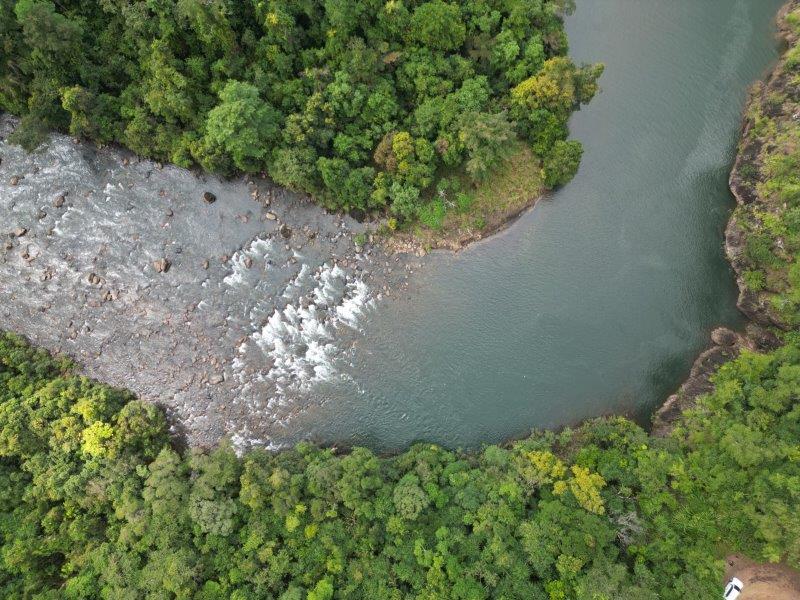
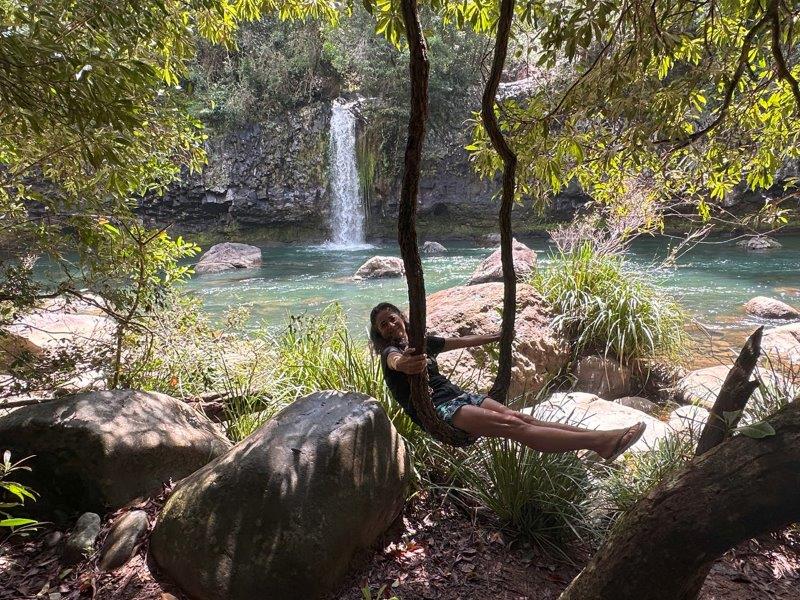
Pony Tail Falls was our highlight for the day with sneaky tracks around the base of the waterfall.
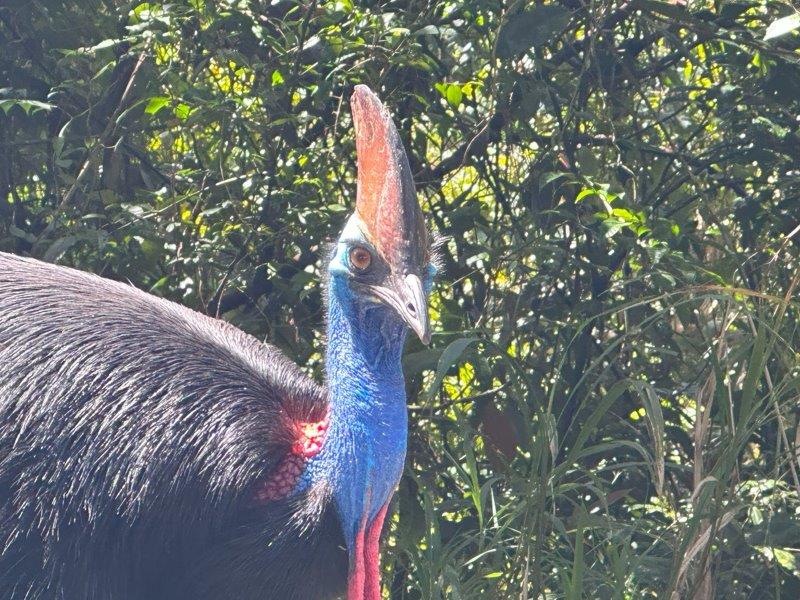
The area between Paronella Park and Lucinda is known as the Cassowary Coast. We have given up chasing the elusive Cassowary. On the last day before leaving the Cassowary Coast, we saw one in its natural habitat.
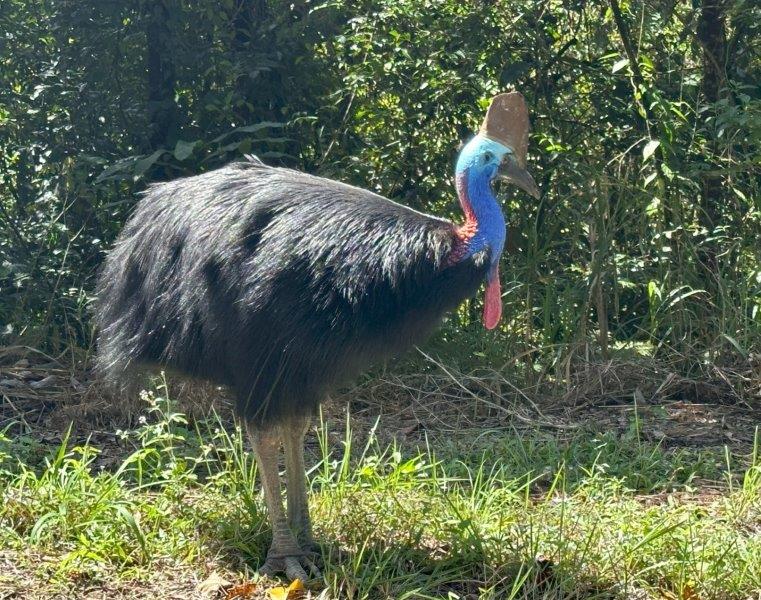
You do get a Jurassic Park feeling when you stumble across this chap in the wild.
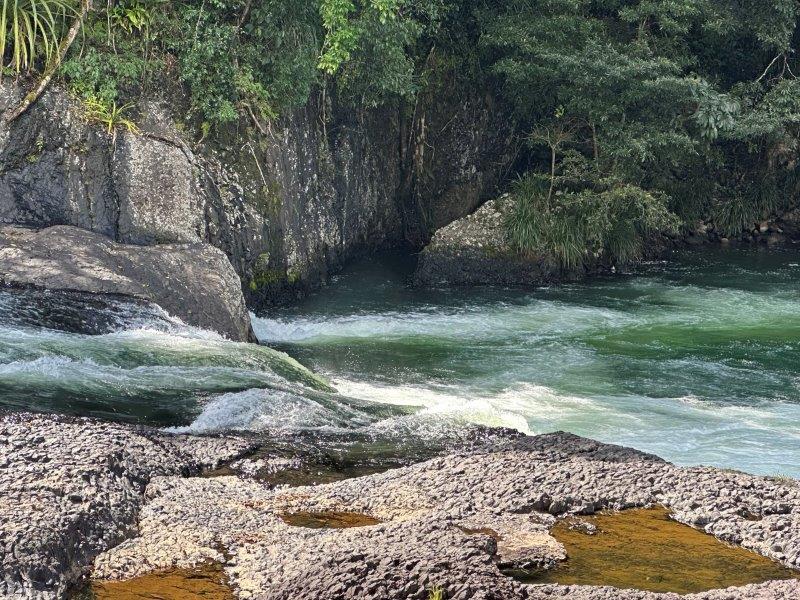
The Tully River is known for river rafting and on the way back we stopped at a few rapids.
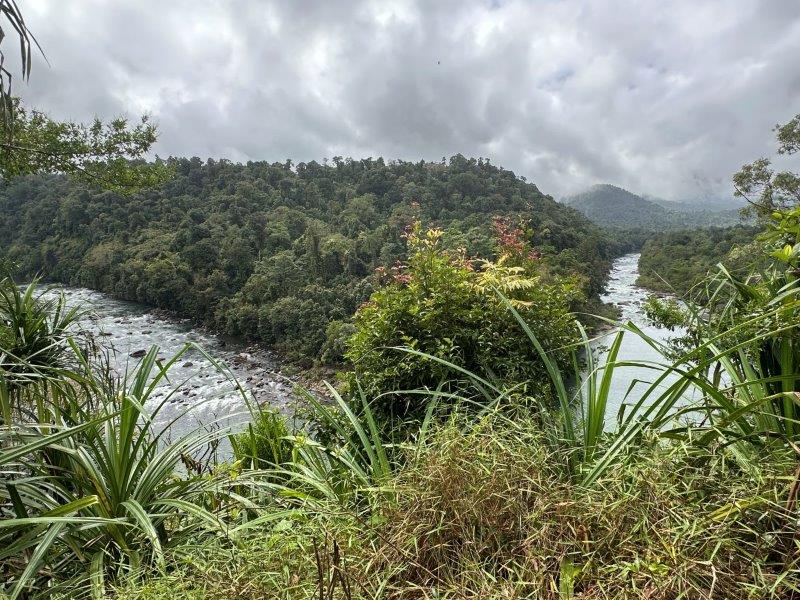
We moved further south to explore the Hinchinbrook area. We had a lovely grassy free camp on the river at Hallifax.
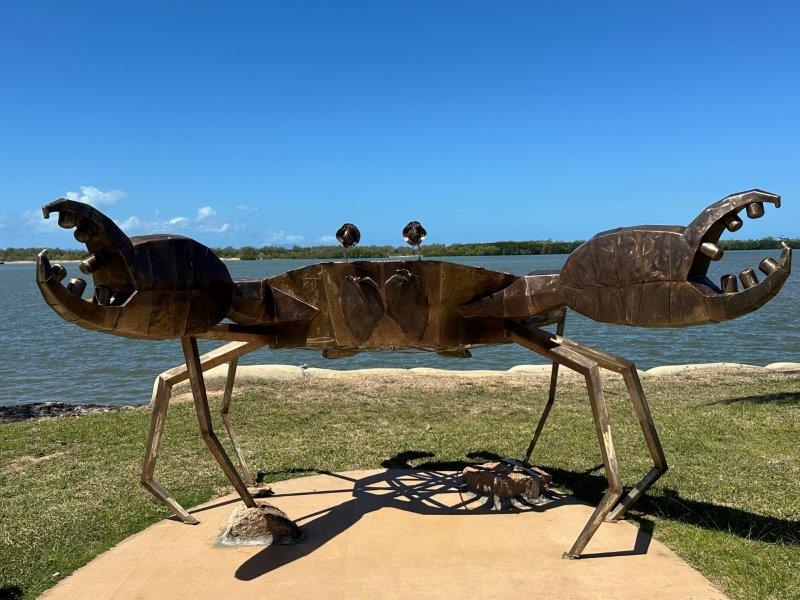
We did a trip to Taylors Beach. The walkway is lined with large sculptures including Crancky Jenny, the Female Crab.
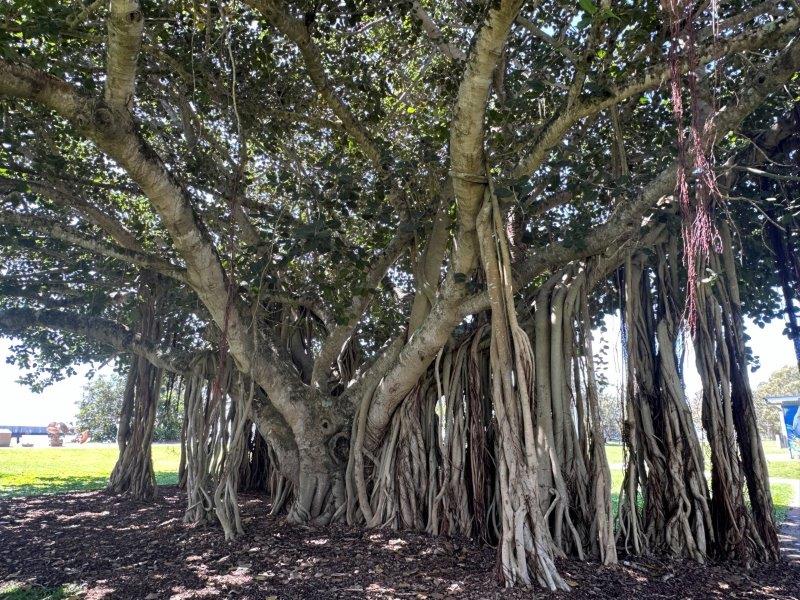
On the way back we stopped at Lucinda for lunch under the massive fig trees on the esplanade.
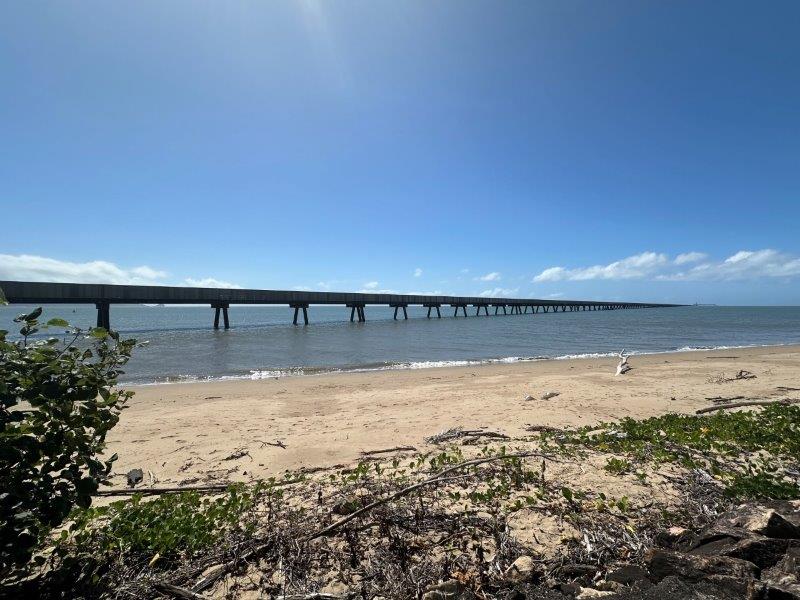
Lucinda is best known for the 6km jetty, making it one of the largest bulk sugar loading facilities in the world.
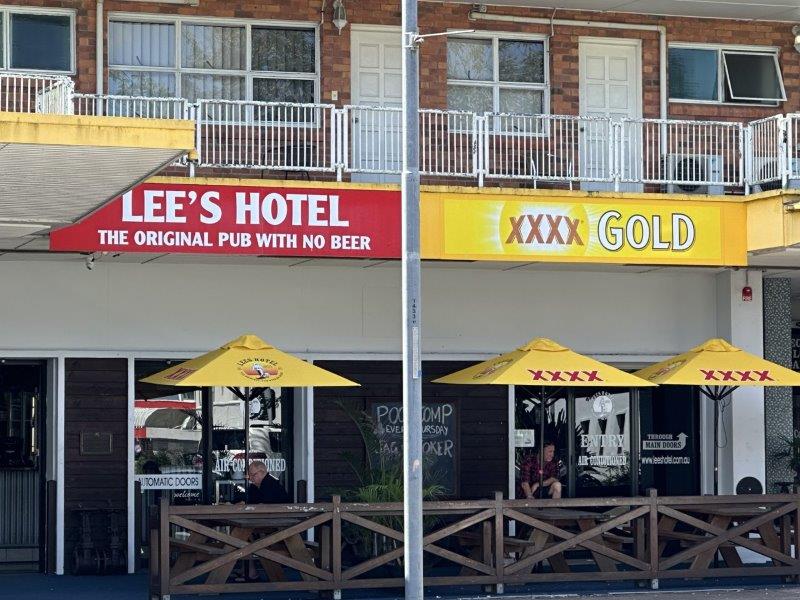
We spent a day in Ingham. The Lees Hotel is known as The Original Pub with no Beer.
In 1943 the poet Dan Sheahan wrote a poem “Pub with no Beer” when he found the pub dry after American servicemen have cleaned it out the previous day.
This poem gave rise to a song topping the worldwide charts by Country and Western singer, Slim Dusty in 1957.
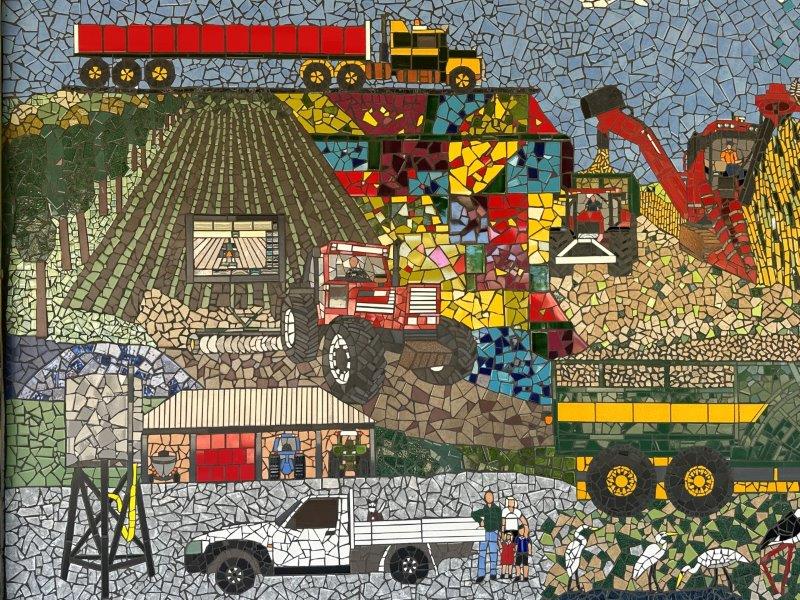
In downtown Ingham is the Mercer Lane Mosaic display, narrating the history of cane cutting and the sugar cane industry in Ingham. Karen Venables and artist Kate Carr involved 1500 locals and visitors to create the mosaic display covering a total of 42m.
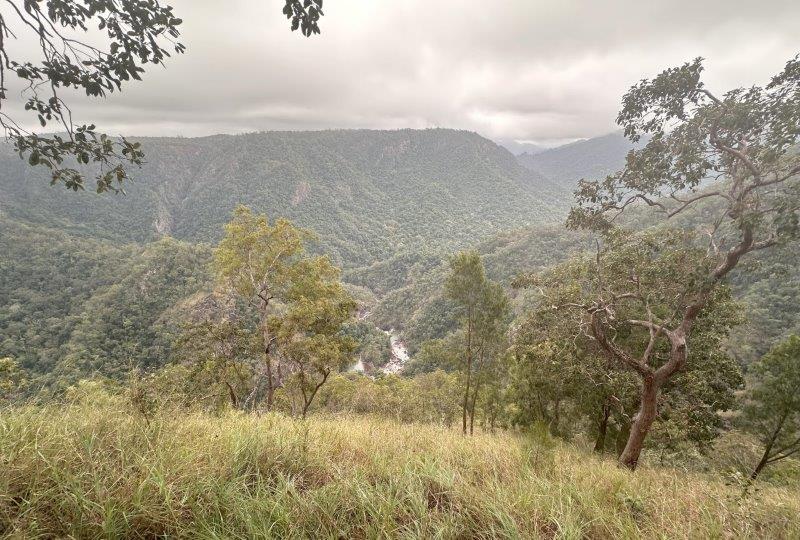
We decided to spent our last day in the Hinchinbrook area, visiting Wallaman Falls in the Girringun National Park. From the picnic area you have an excellent view down stream.
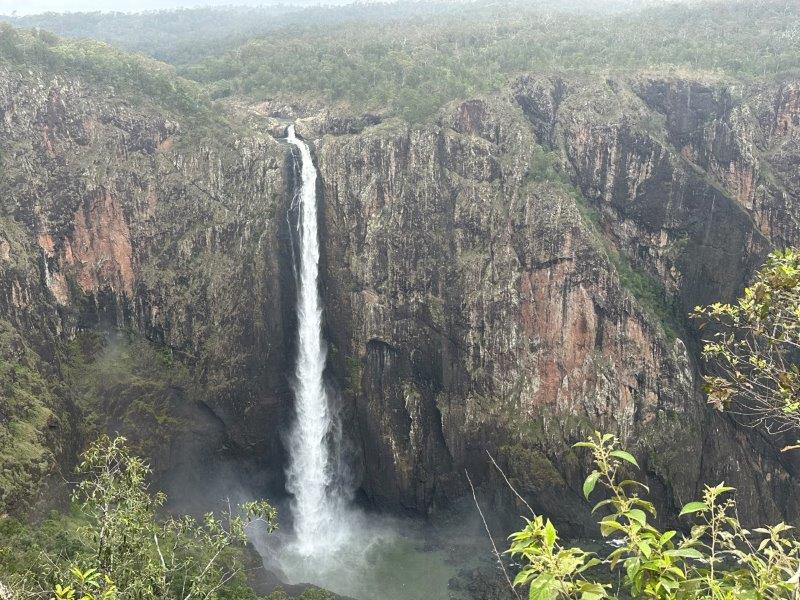
The lookout provides an excellent view over the highest, permanent, single-drop waterfall in Australia, at 268m.
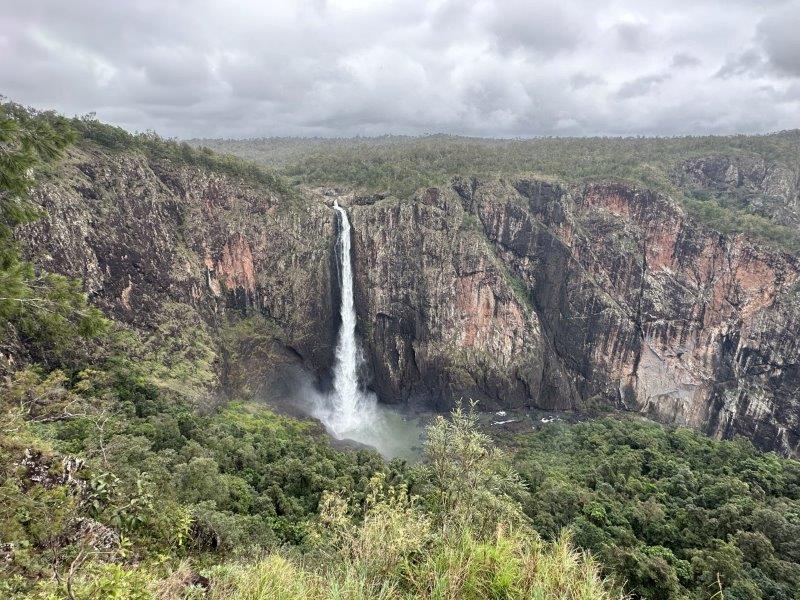
For us this area ticked off another World Heritage Site in Australia.
On our way south, we visited the Hinchinbrook Visitors Information Centre. This centre has great facilities for travellers and we took the opportunity to fill our water tanks.
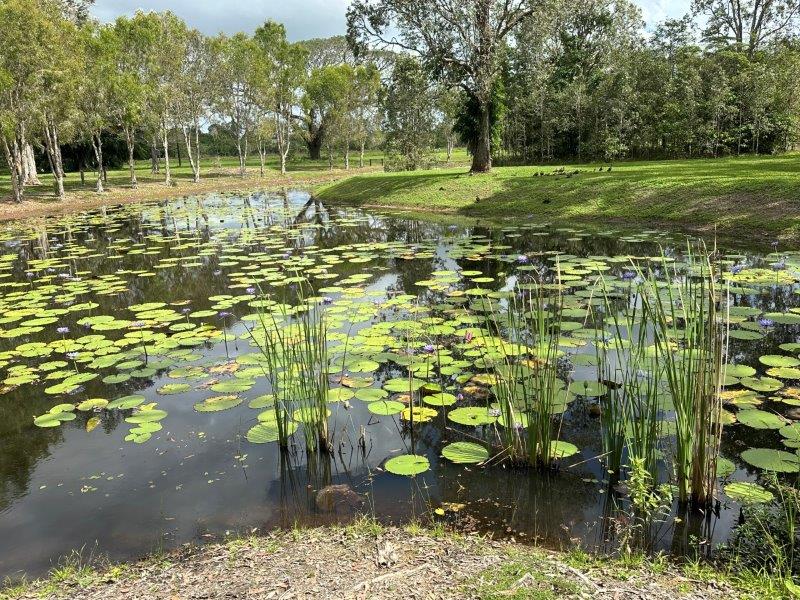
Next to to the information centre is the Tyto Wetlands. This wetland is a twitchers paradise with a large variety of birdlife.
From Hichinbrook we started heading south to Townsville.