
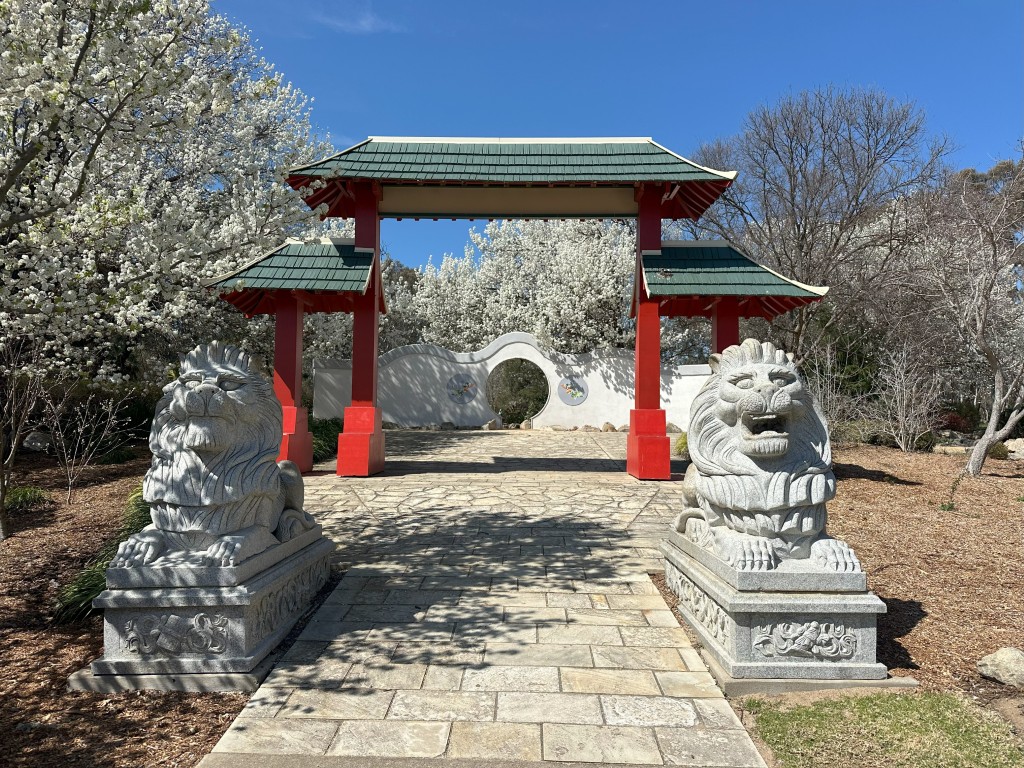
From Armidale we dropped 660m in elevation to Tamworth. It is a beautiful drive down the Moonbi Ranges.
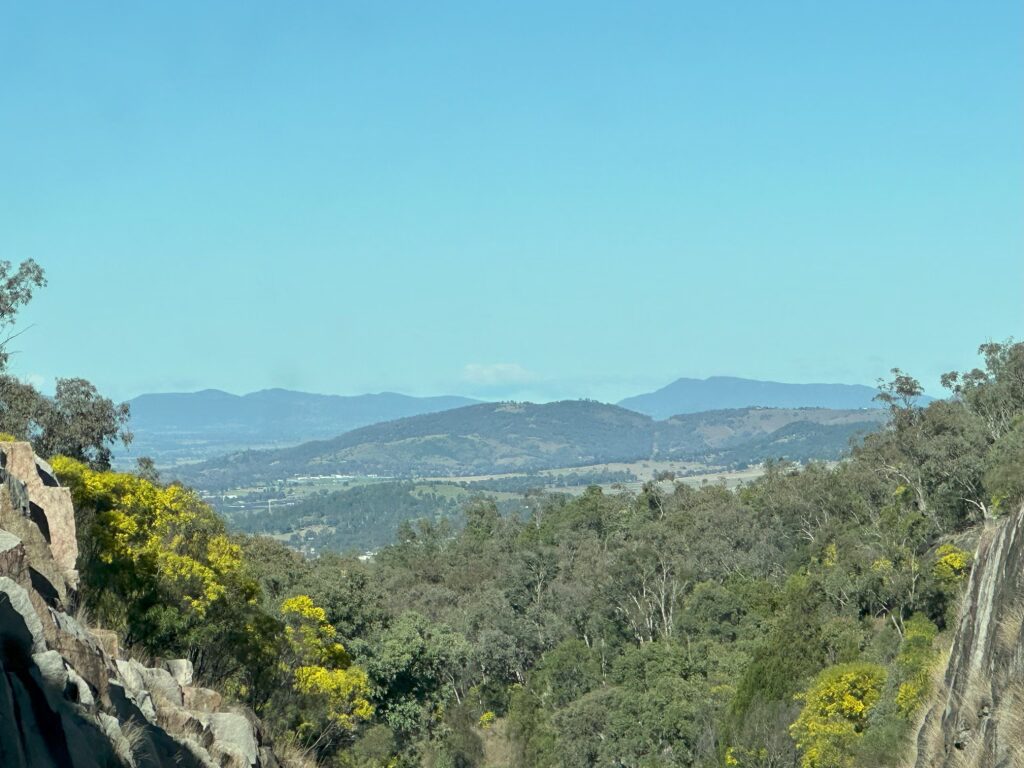
Not far down the range, is the small town of Uralla. In the main road is a statue of bushranger Thunderbolt. Fredrick Ward i.e. Captain Thunderbolt robbed horse drawn carts and wagons as they were slowly trekking up the range. He was killed in 1870 by the police and is known as New South Wales’ last bushranger.
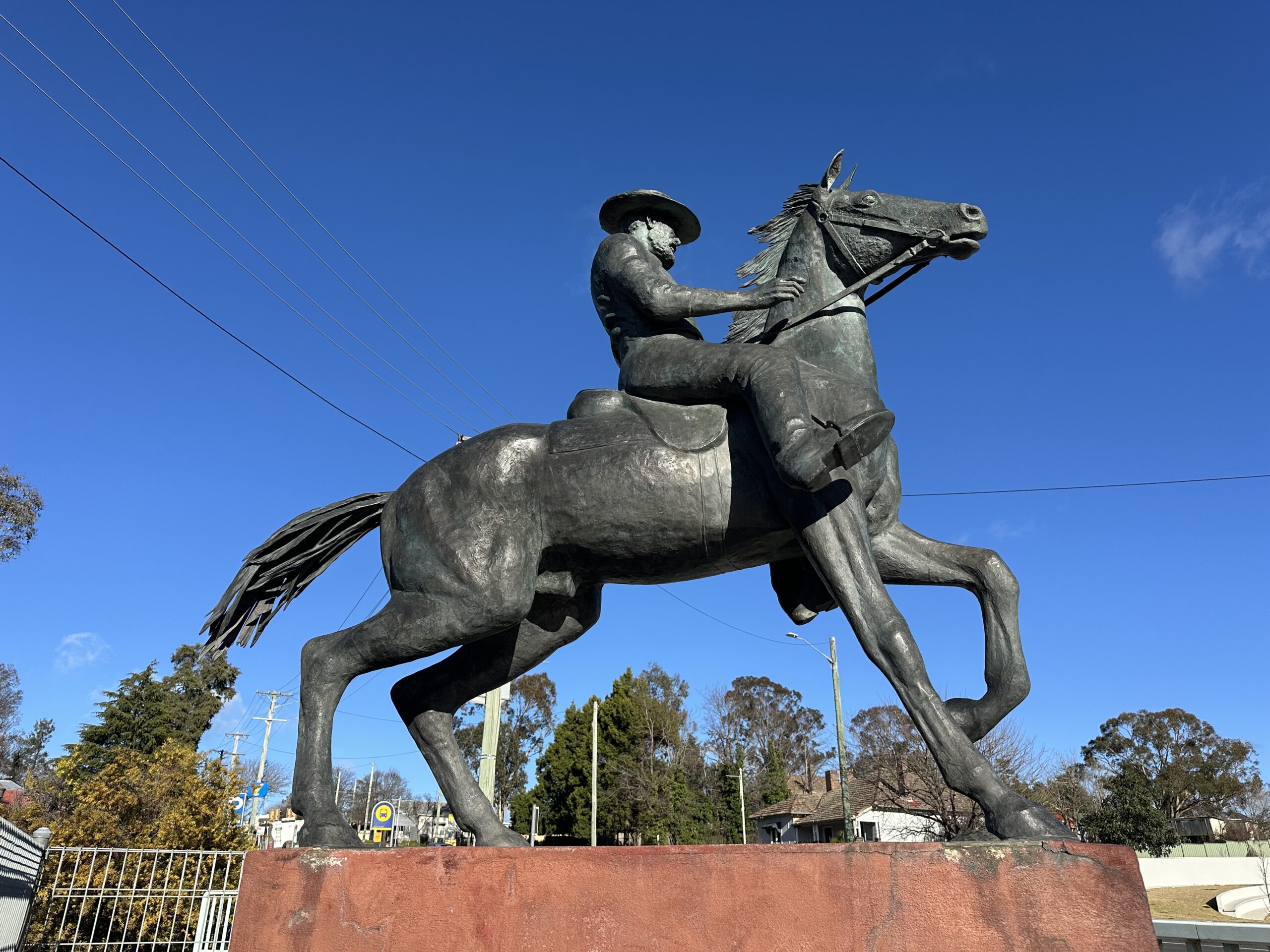
From Uralla, the decline from the Moonbi Range to Tamworth gets much steeper. The last 90km to Tamworth descends almost 600m in elevation.
Tamworth is synonymous with country music. Tamworth hosts an annual country music festival in January each year. The town doubles its population during the festival. This 10 day festival is the second largest country festival in the world. It is only Nashville, Tennessee in the USA attracting larger country crowds to their CMA music festival.
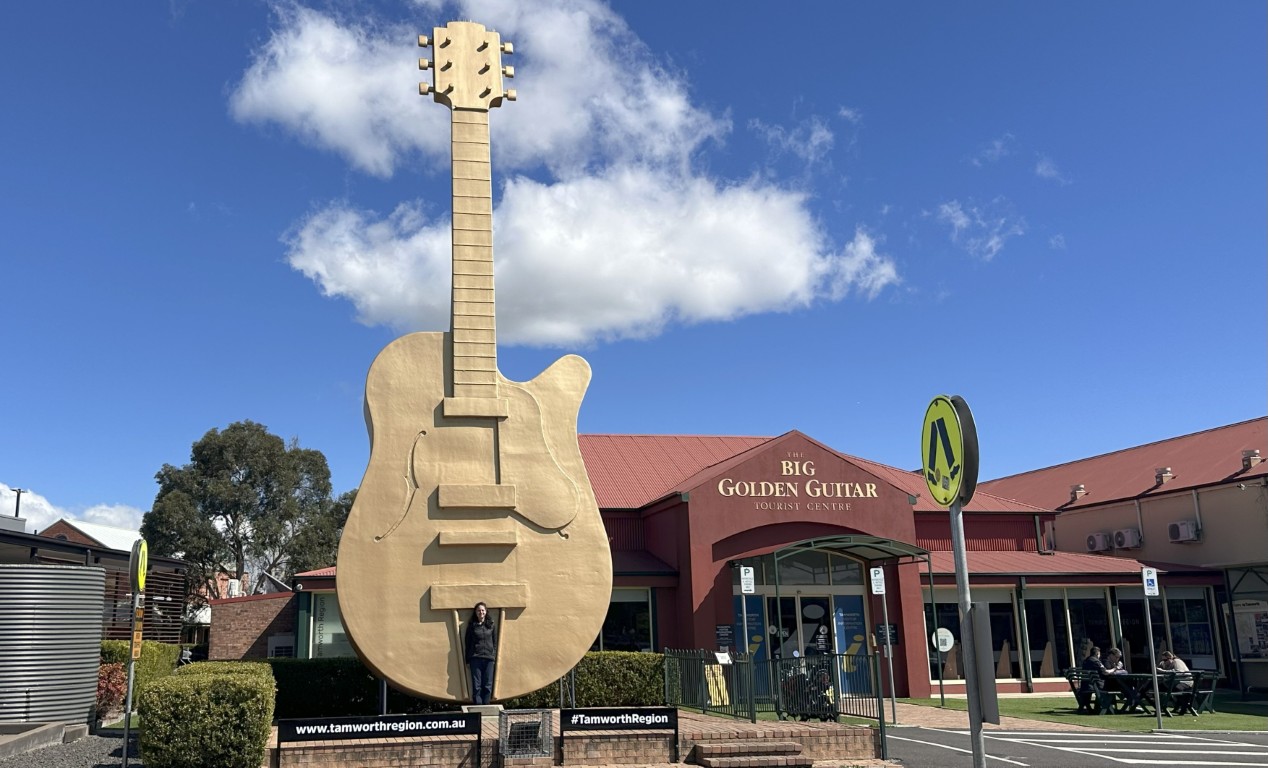
The Big Golden Guitar is a 12m high tribute to Australian country music. It is a replica of the Golden Guitar Awards, awarded to recognise excellence in Australian country music. The guitar is located at the Visitors Information Centre.
Just behind the information centre is the National Guitar Museum. The museum has almost 50 guitars on display.
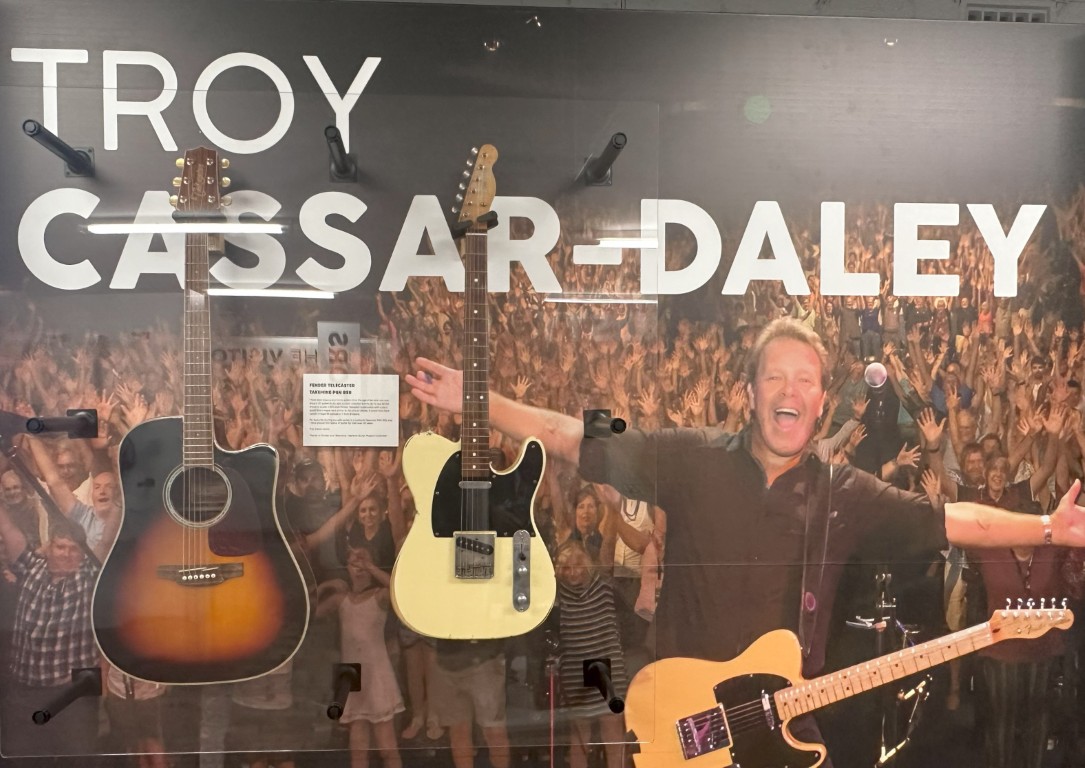
The most awarded country singer in Australia is Troy Cassar-Daley, with 45 Golden Guitar Awards. A few of Troy’s guitars were on display.
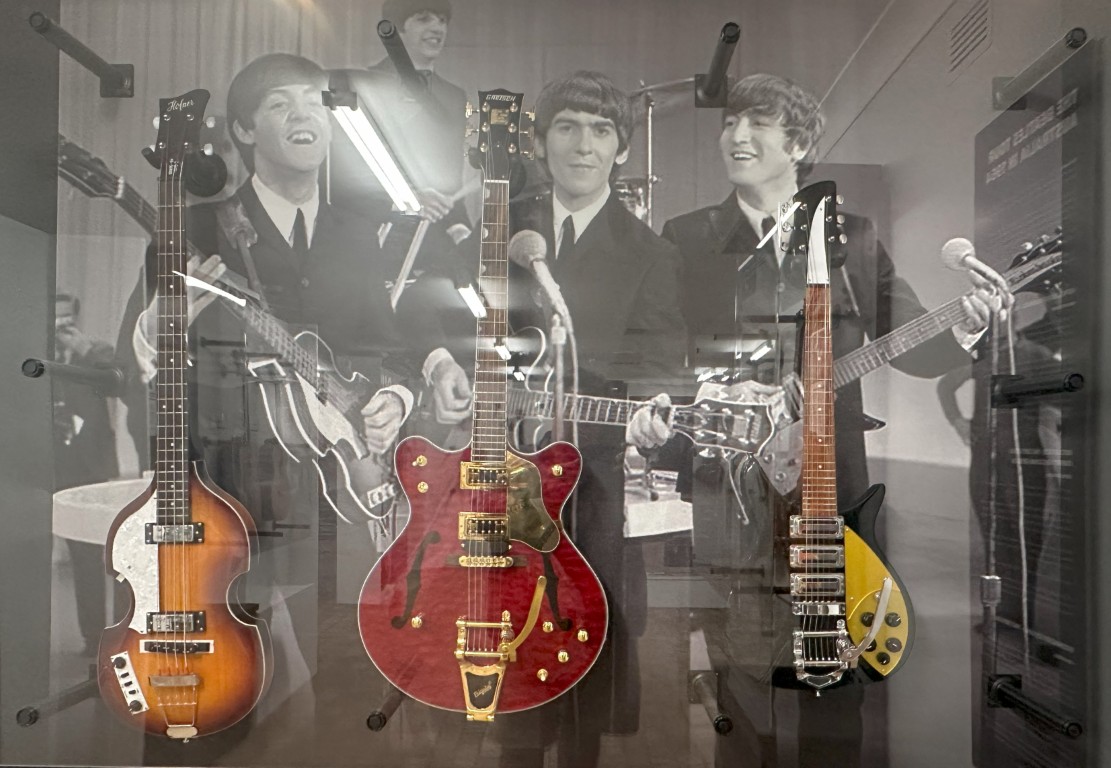
The Beatles are known for the best selling musical act of all times. We were surprised to find a few of their guitars in the museum.
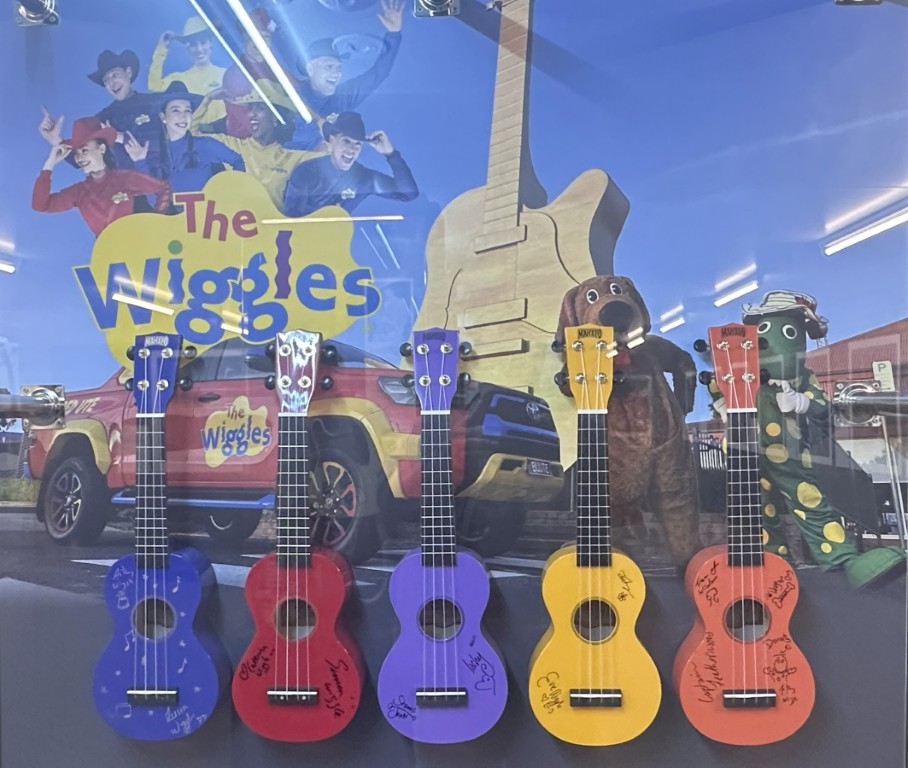
The Wiggles were formed in 1991 and uses Maton Guitars, manufactured in Melbourne. The museum has a few colourful Wiggles’ guitars on display.
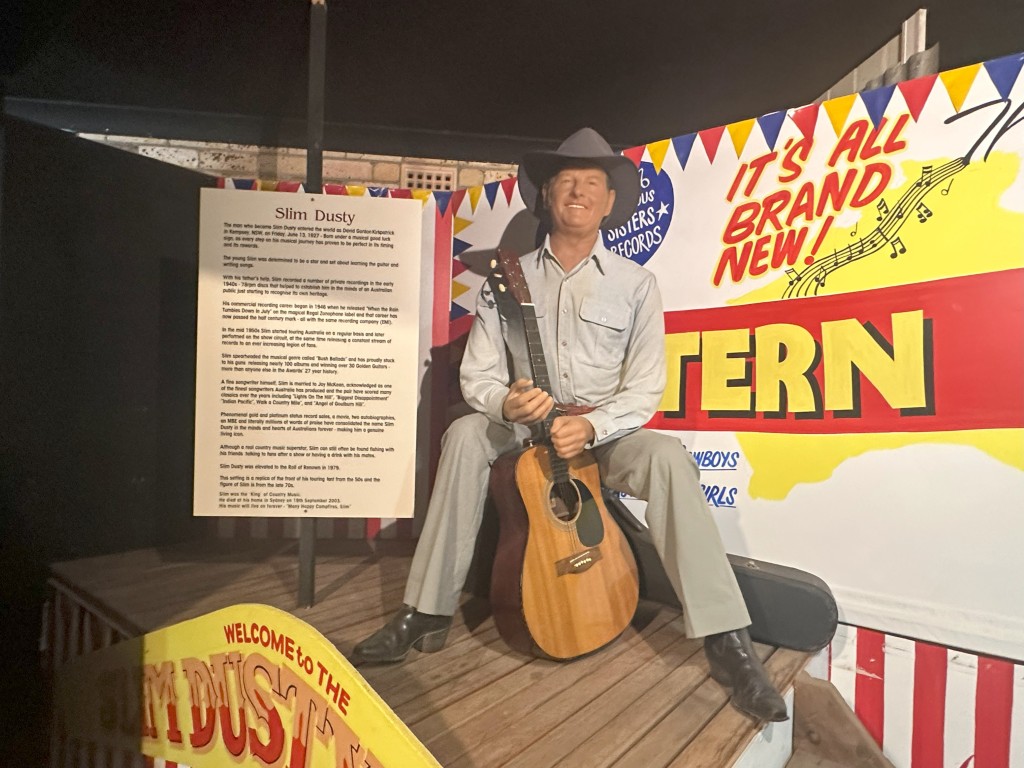
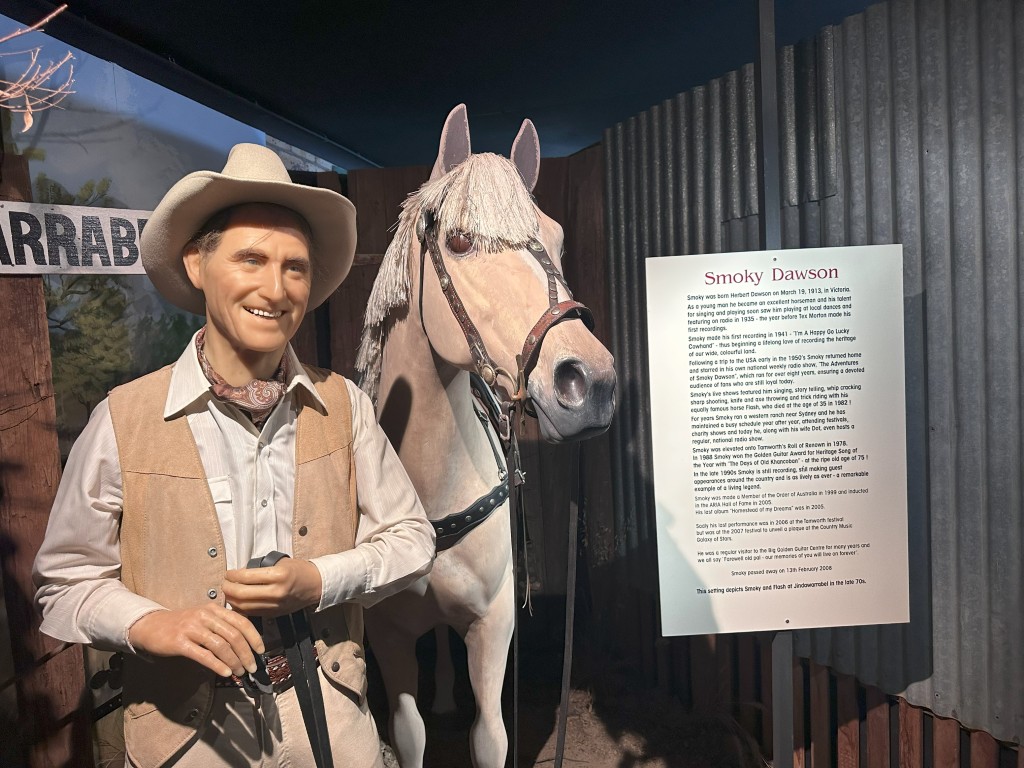
In the same building as the National Guitar Museum, is the Country Music Wax Museum. With 80 life-sized figures, this museum immortalises some of the most prevalent Australian country music stars.
Slim Dusty was the first Australian recording artist to receive a Gold Record. The Gold Record was awarded for his song “A Pub with No Beer”. We visited this pub in Ingham, North Queensland. We have a photo of the pub and more detail of the story in our post of 8 January 2025.
Smoky Dawson’s music career started in the early 1940 when he became known as Australia’s first singing cowboy. He was a very versatile performer. Beyond singing, he was well versed in whip-cracking and throwing knives and axes.
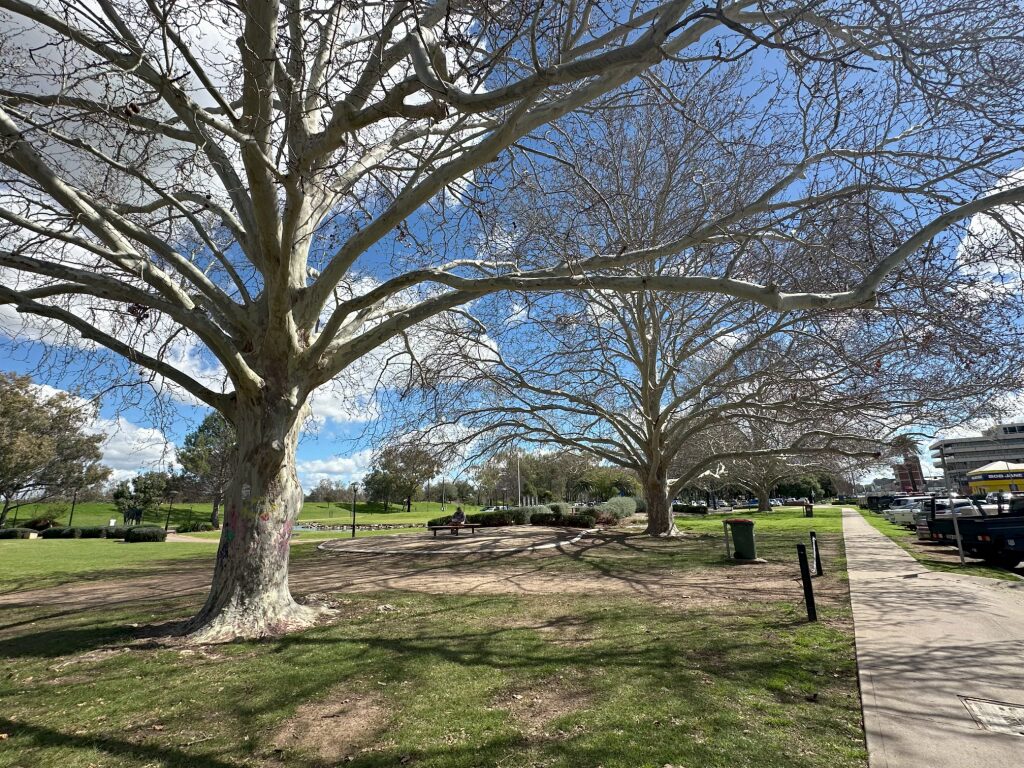
In the midst of the hustle and bustle of Tamworth, is the Bicentennial Park.
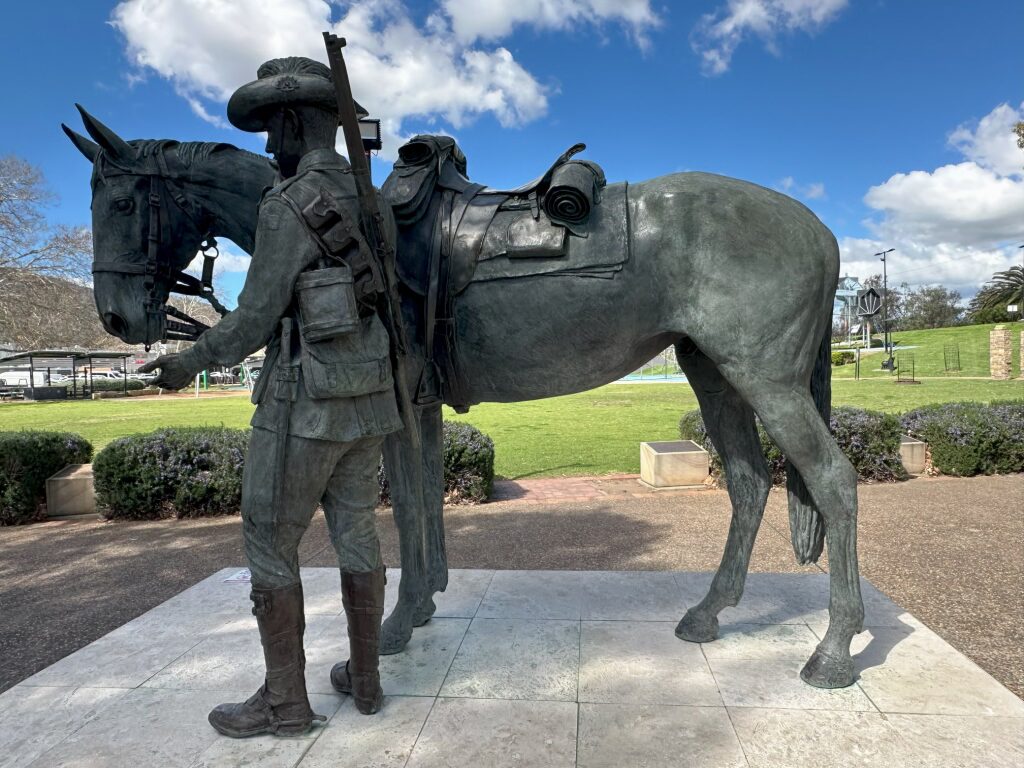
Between 1861 and 1931, 500,000 Australian horses were exported to war-torn parts of the world. Only one horse (Sandy) returned back to Australia. The Waler Light Horse memorial statue does not depict the horse that returned but rather the ones that did not. It depicts a digger farewelling his old Waler horse companion in a Middle Eastern country at the end of World War One.
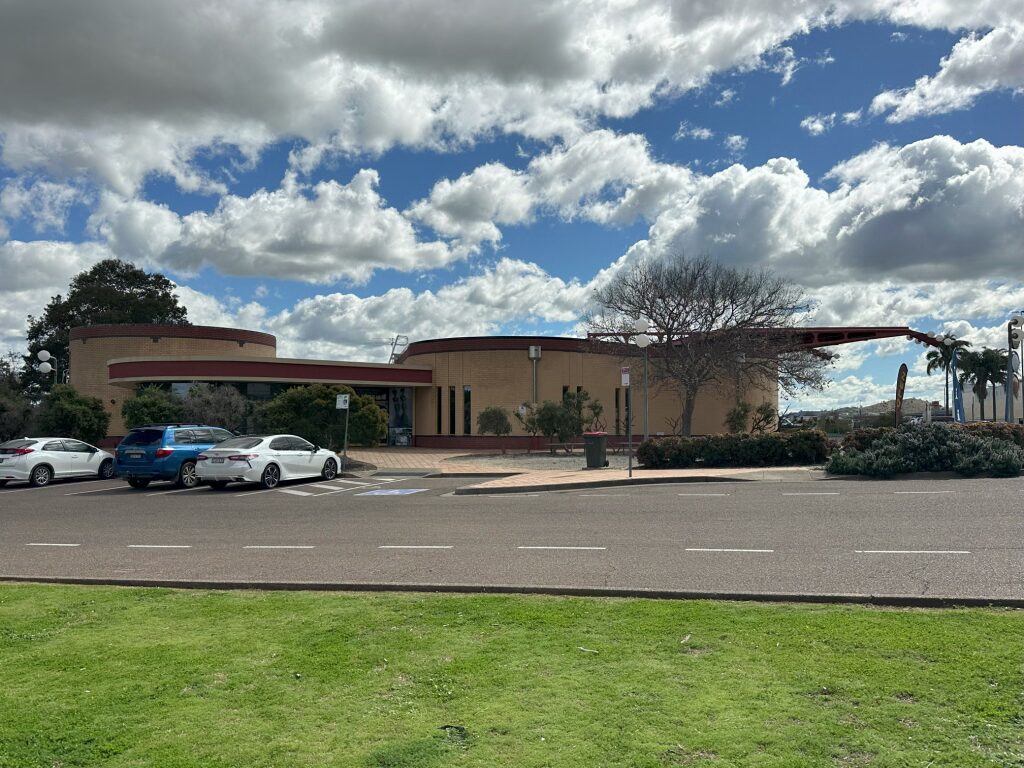
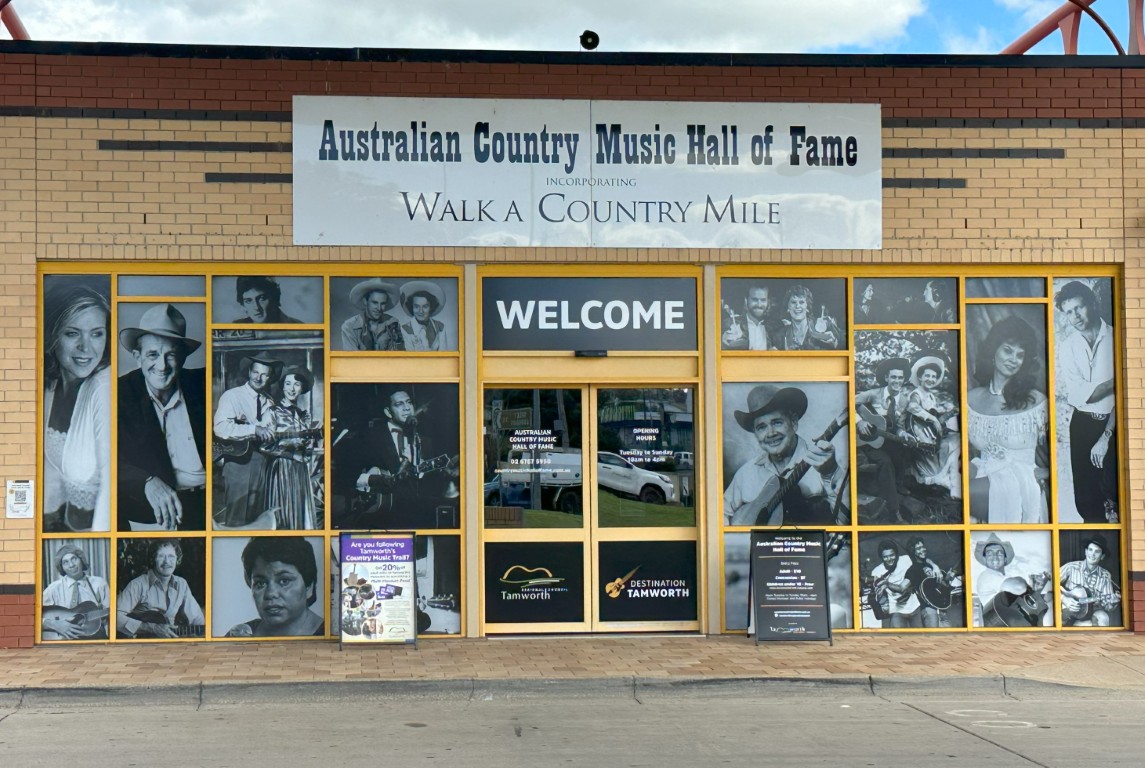
At the far end of the Bicentennial Park is the Country Music Hall of Fame, built in the shape of a guitar. The hall has loads of country music memorabilia and history.
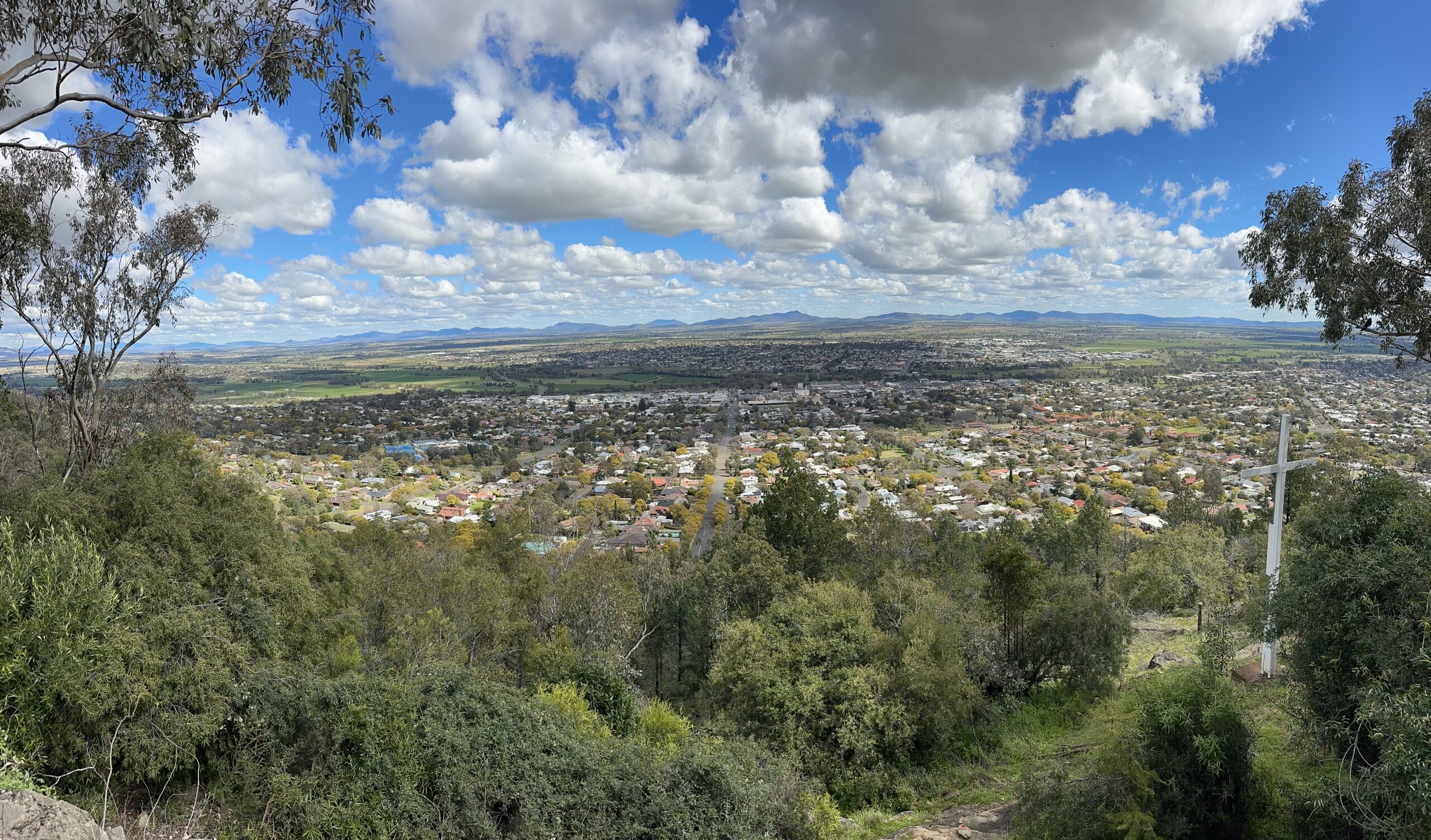
Before leaving Tamworth, we visited the Oxley Scenic Lookout.
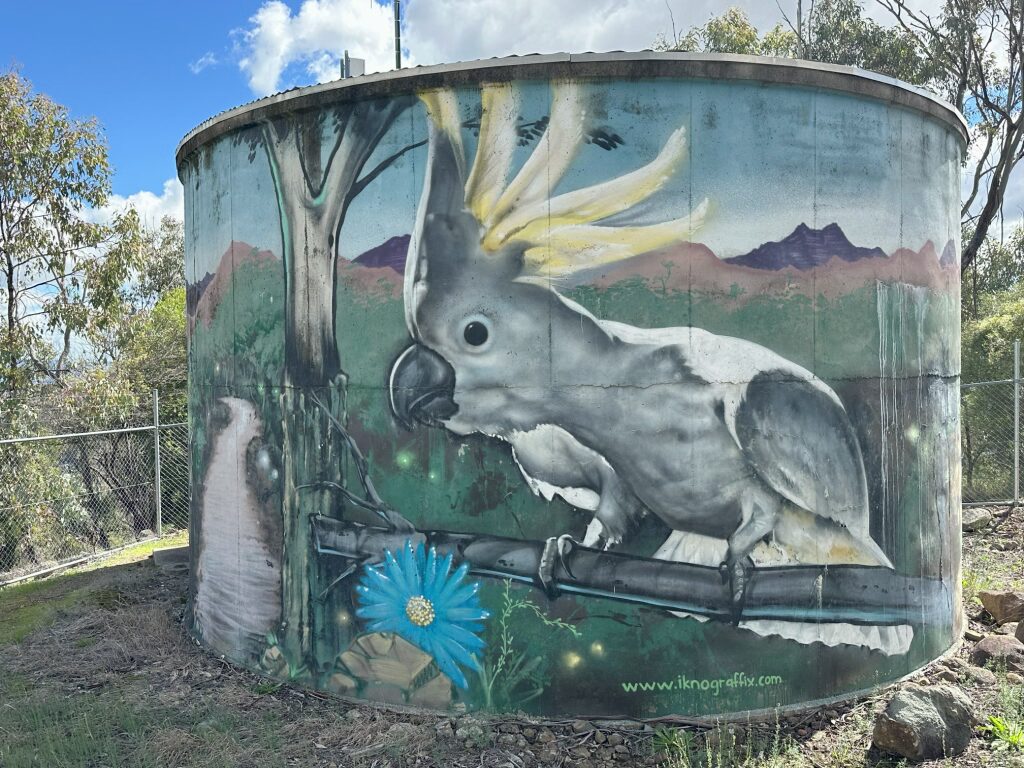
Behind the Oxley lookout, and a short walk up the mountain, is a water tank mural.
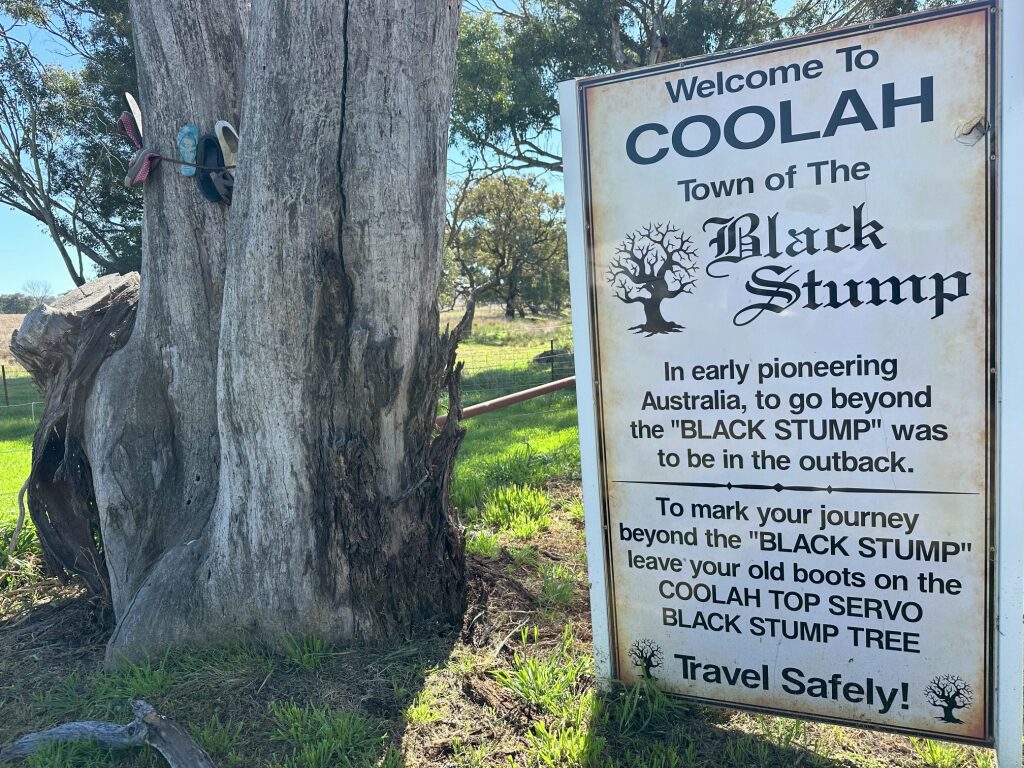
From Tamworth we veered west to stay behind the Great Dividing Range. On the way to Coolah we passed The Black Stump. The Black Stump was traditionally used to mark the start of the outback.
We booked a few days at the Coolah Sporting Club. On our arrival we expected a quiet few days in Coolah.
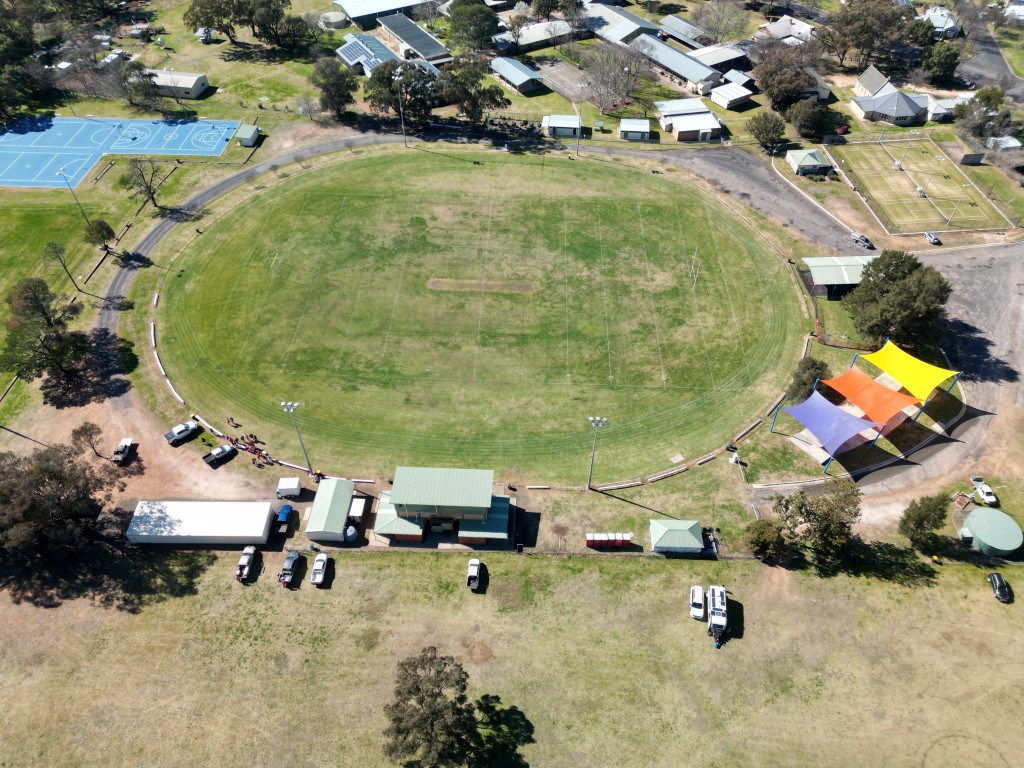
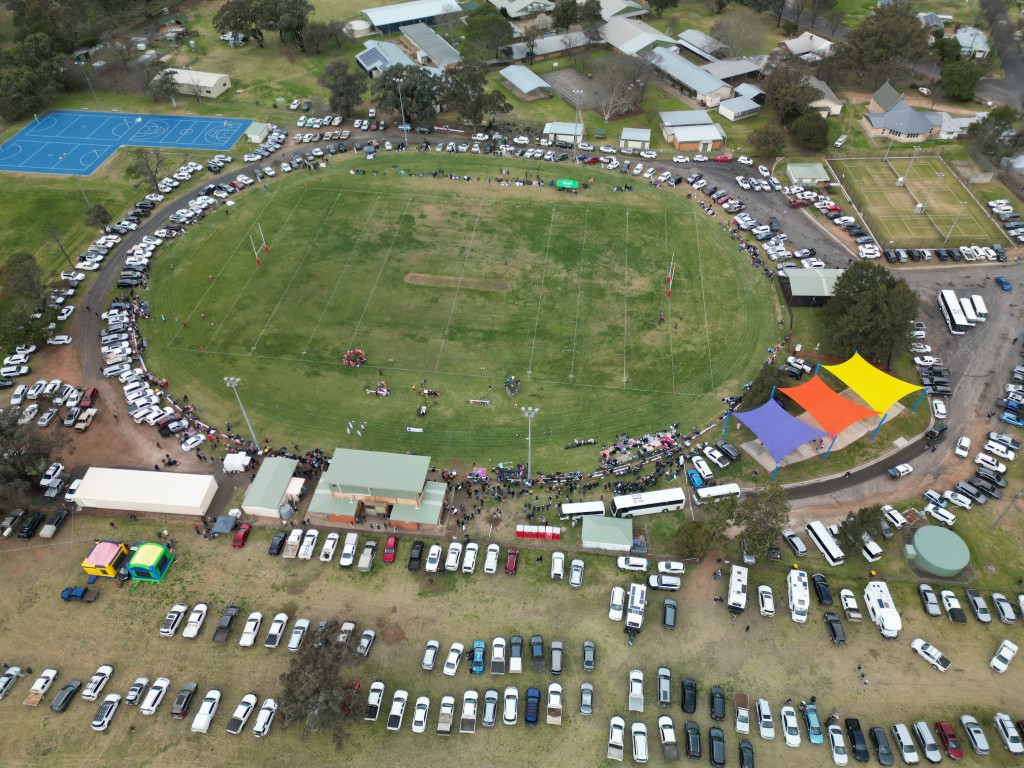
The next day was very different. We did not realise that the Castlereagh League Grand Final was about to be played on the field behind us. This little quiet town came to life as male and female teams won the finals on home turf.
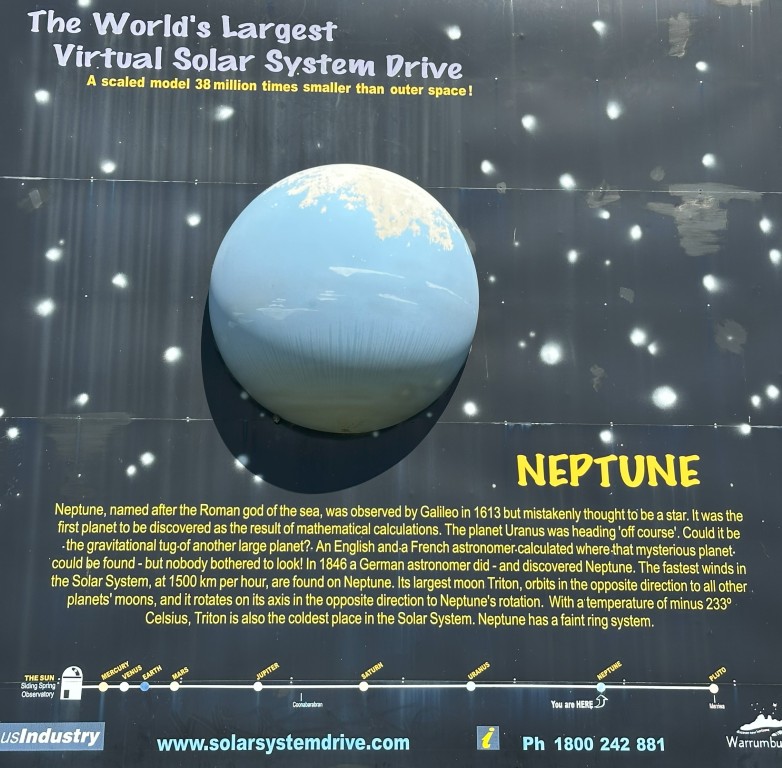
Coolah is part of the world’s largest Solar System drive, and features Neptune. The 500km drive links 9 towns ending at the sun at Siding Spring Observatory. All the planets are scattered in towns in New South Wales on a 1:38 million scale. Each planet is depicted in 3D, and scaled to size. The billboard provides interesting information about the featured planet.
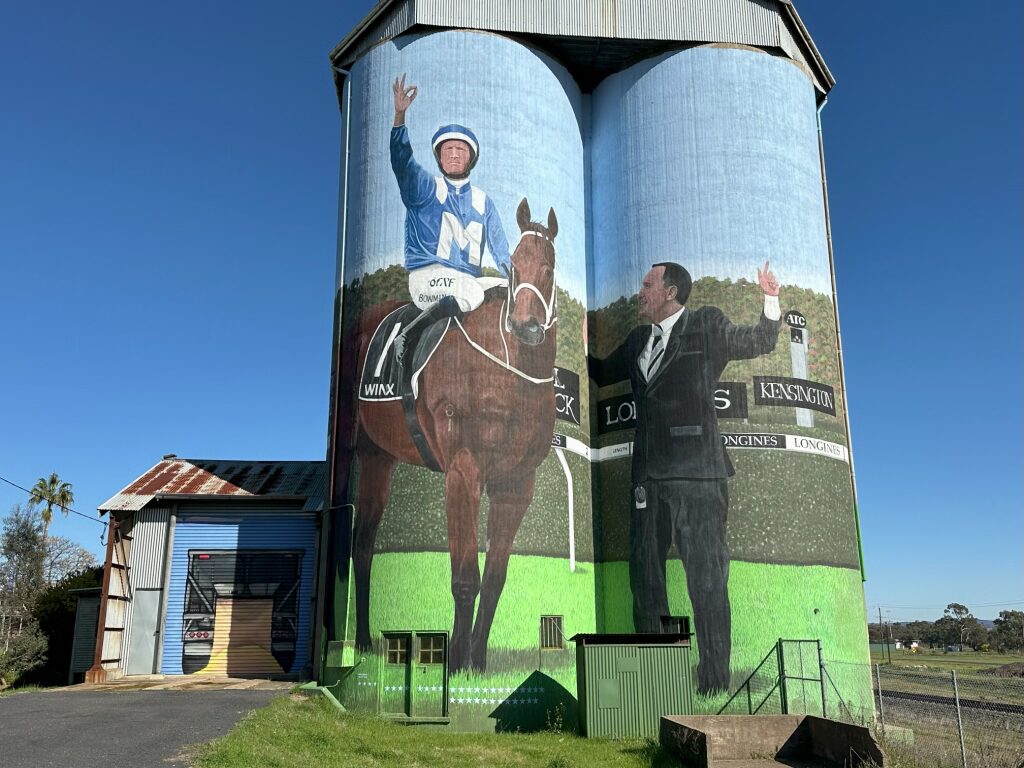
Dunedoo silo art was our first stop after leaving Coolah.
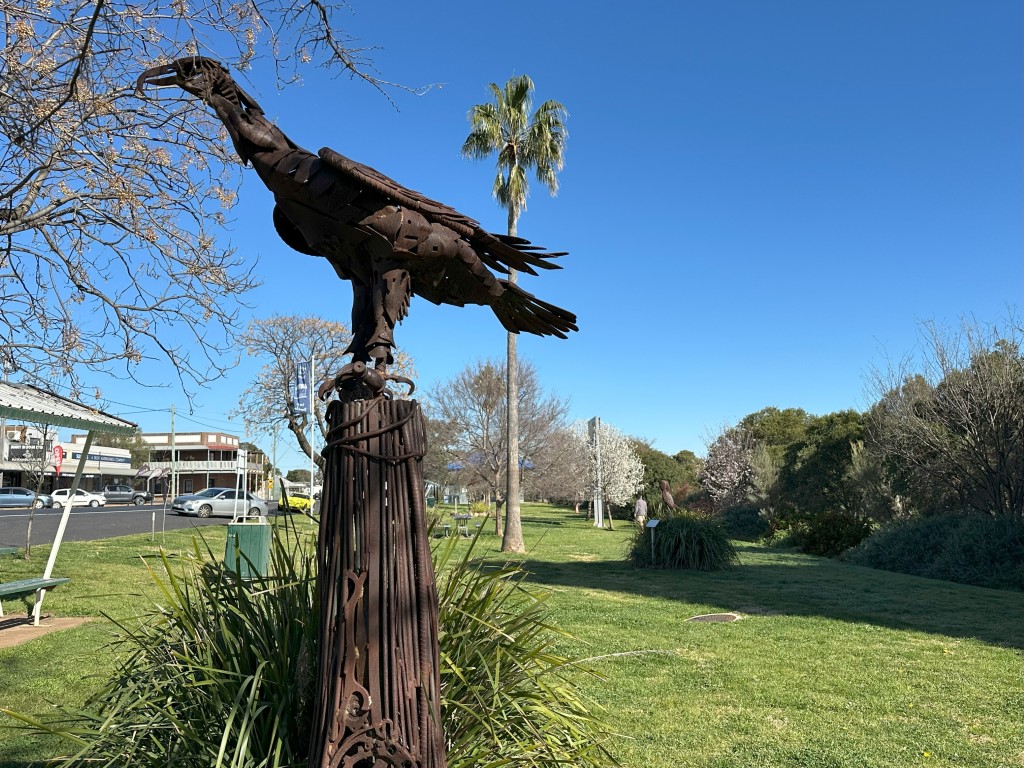
Next to the silo is the O.L. Milling Lions Park featuring a few local bird sculptures. You could not miss the Wedge Tailed Eagle.
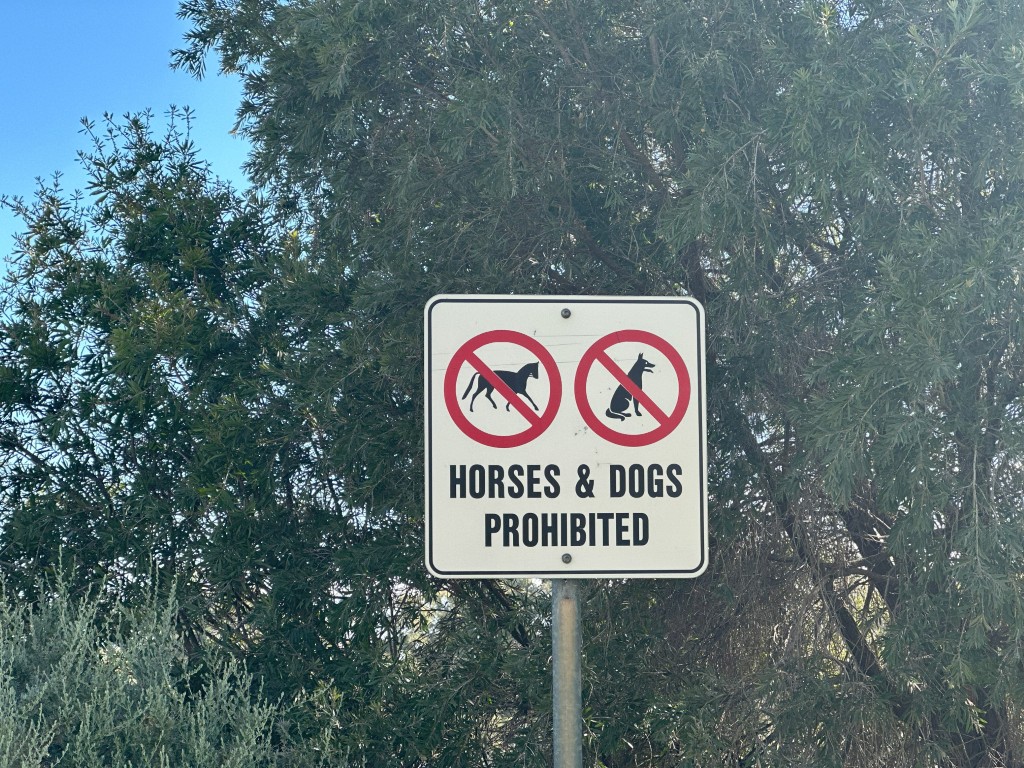
You know you are getting remote if the park in the centre of town, has this sign.
Our next camp after Coolah, was Ponto Falls Reserve at Maryvale, between Dubbo and Wellington.
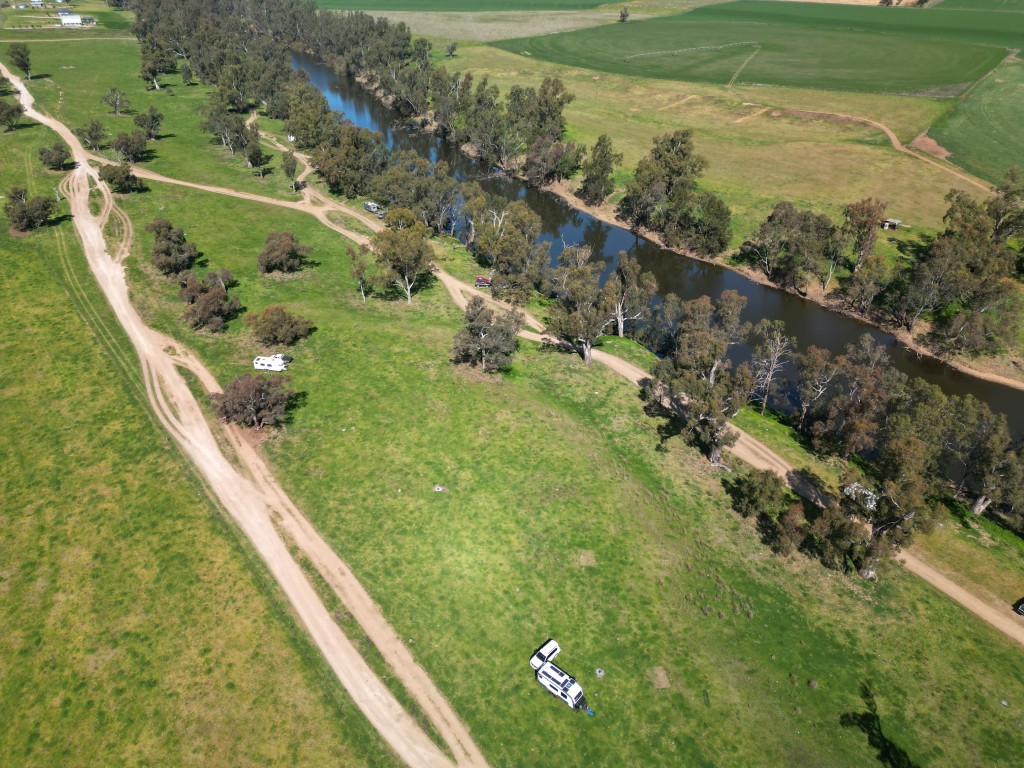
After settling in, we started exploring the surrounding towns.
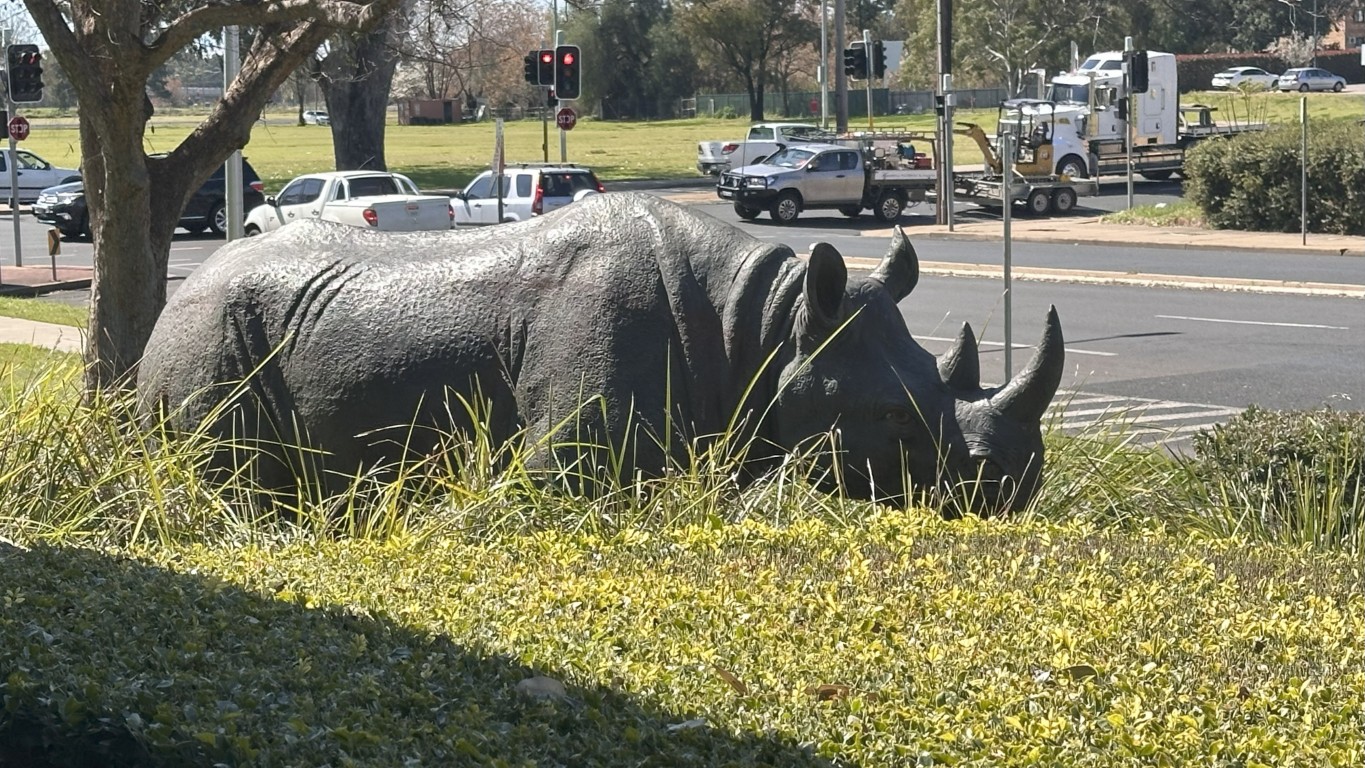
Our first stop was Dubbo. Dubbo is well known for the Taronga Western Plains Zoo. The Zoo is home to a wide variety of African animals. You could not miss the Rino at the entrance of Dubbo Visitor Information Centre.
We had a quick stroll through the Japanese Garden in Dubbo.
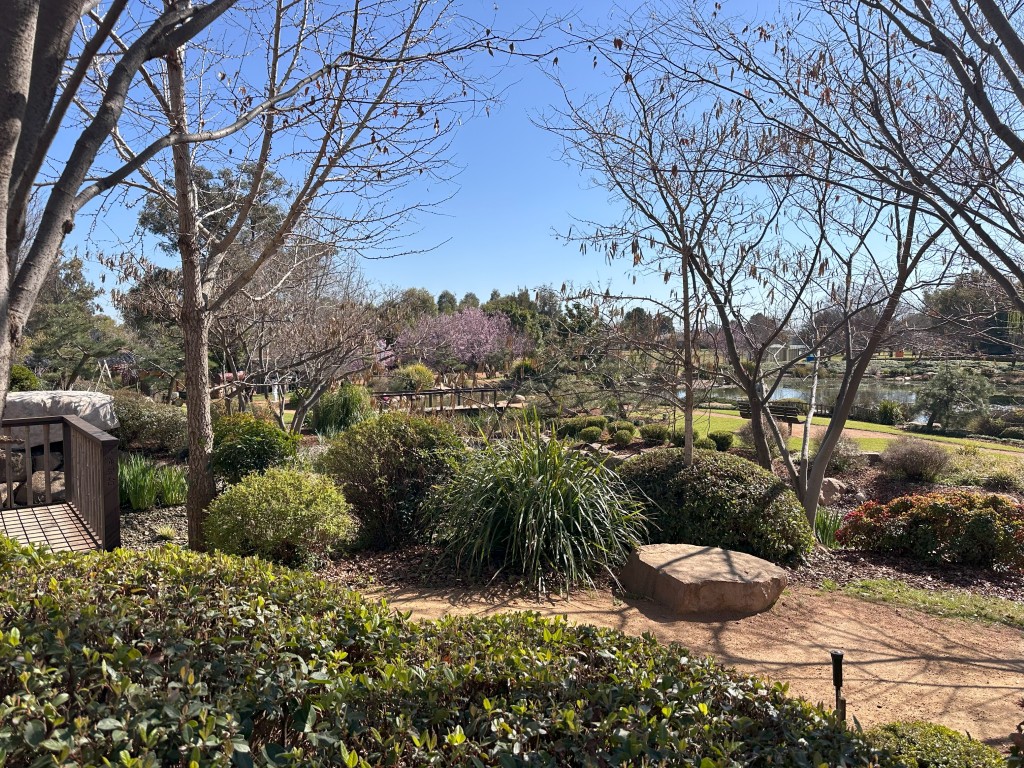
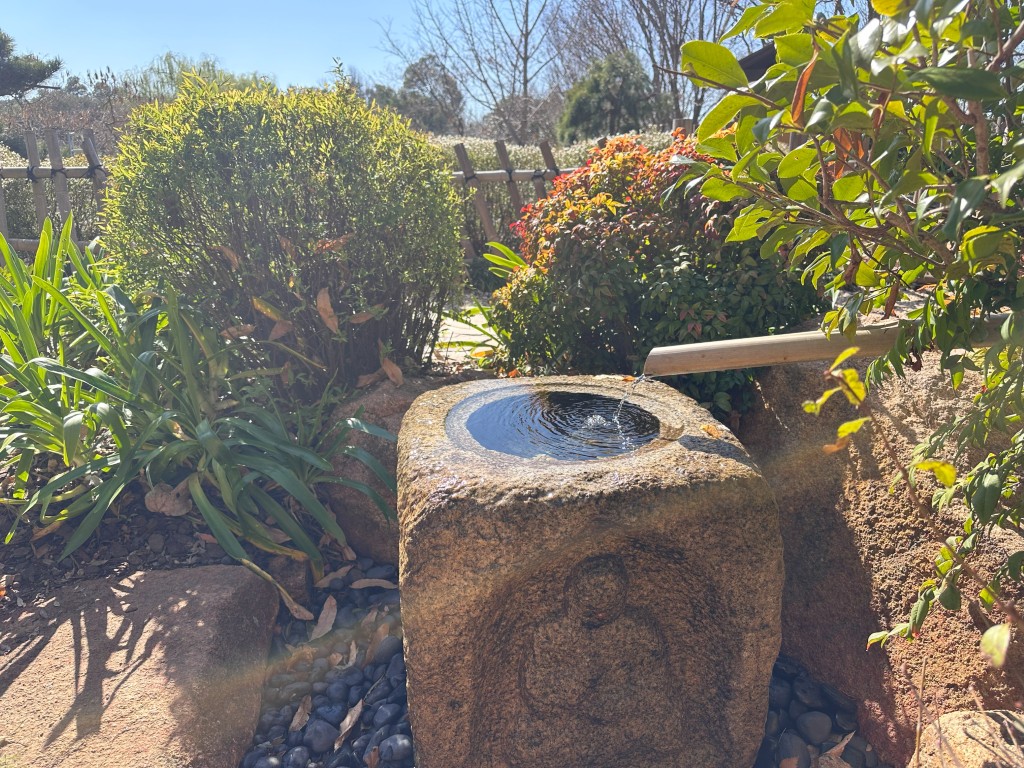
The Western Plains Cultural Centre in Dubbo does an excellent job to preserve their local history since 1818. The centre has a massive wall displaying interesting newspaper clipping and articles throughout the decades.
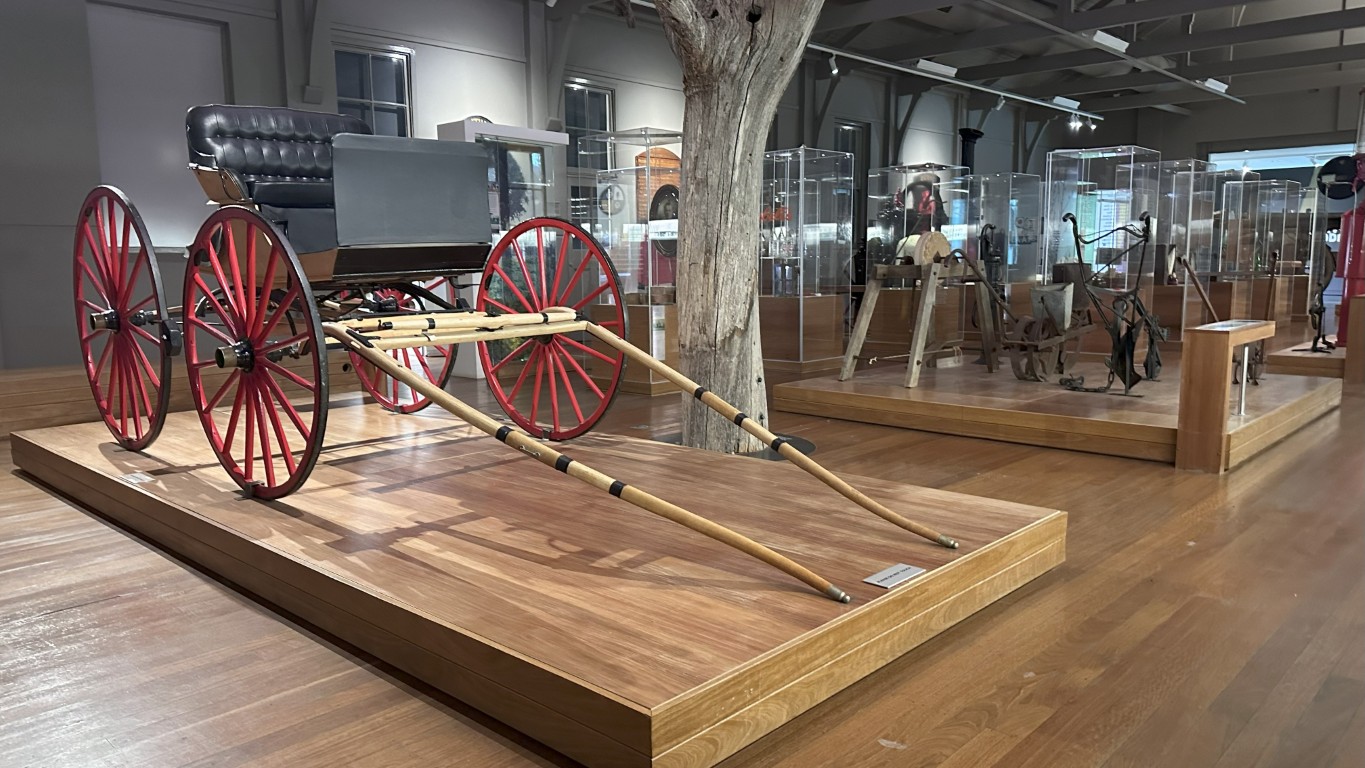
Many well preserved artifacts were on display including this Wilkens and Kennedy buggy.
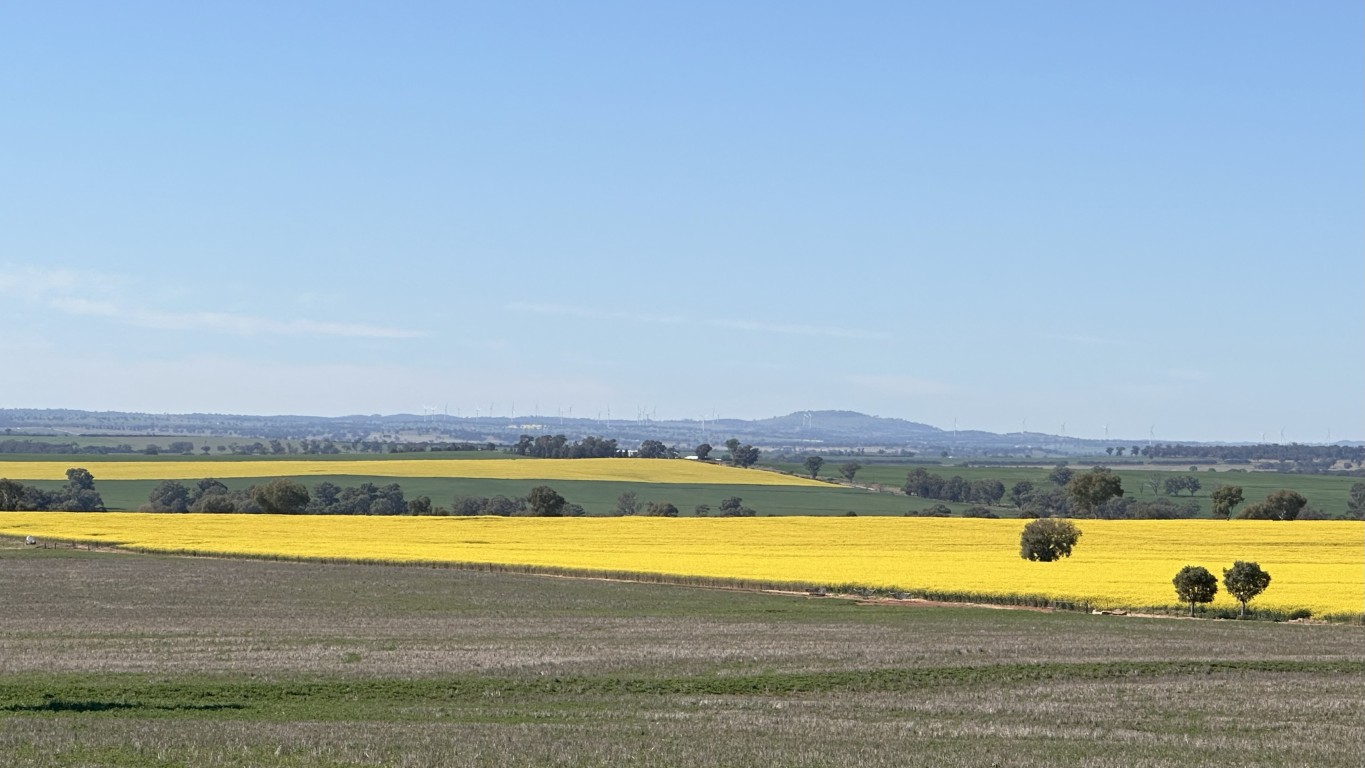
As we were driving through the Dubbo area, we had our first glance of the canola fields in full bloom.
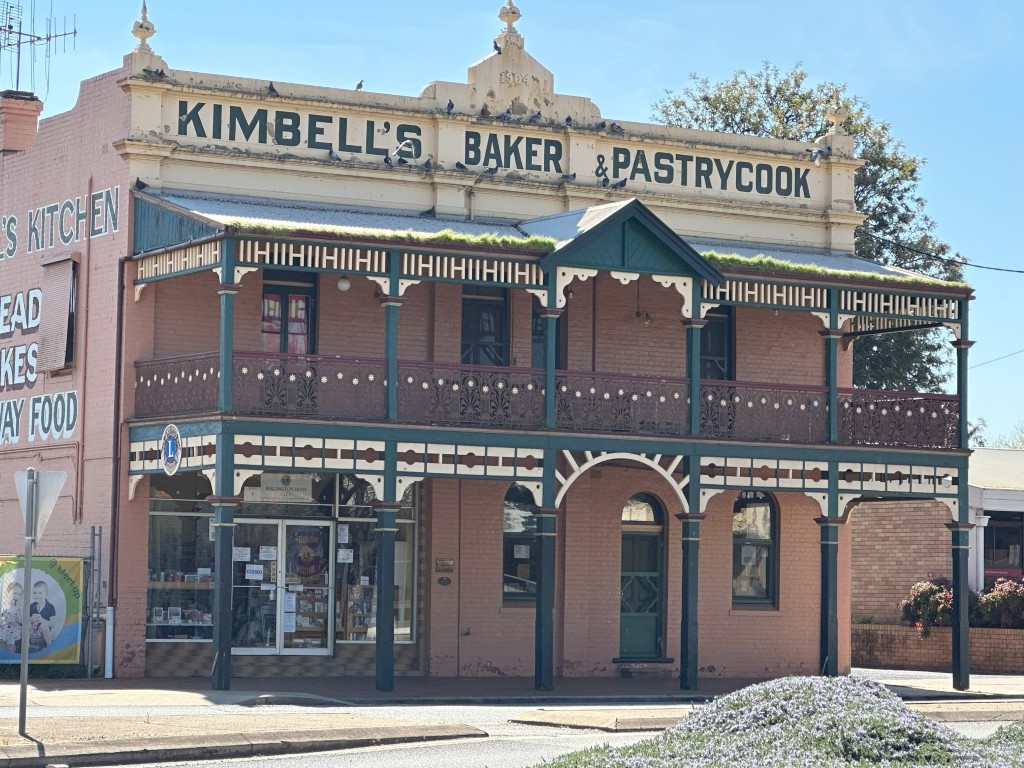
Wellington is a town just south of where we camped. Driving through the town, you get a feeling of an old wild western town. The architecture of the historic Kimbrell’s Baker & Pastrycook building reminds you of the old Smith & Wesson movies.
Just around the corner is the old Lion of Waterloo pub. It was unfortunately still closed when we visited.

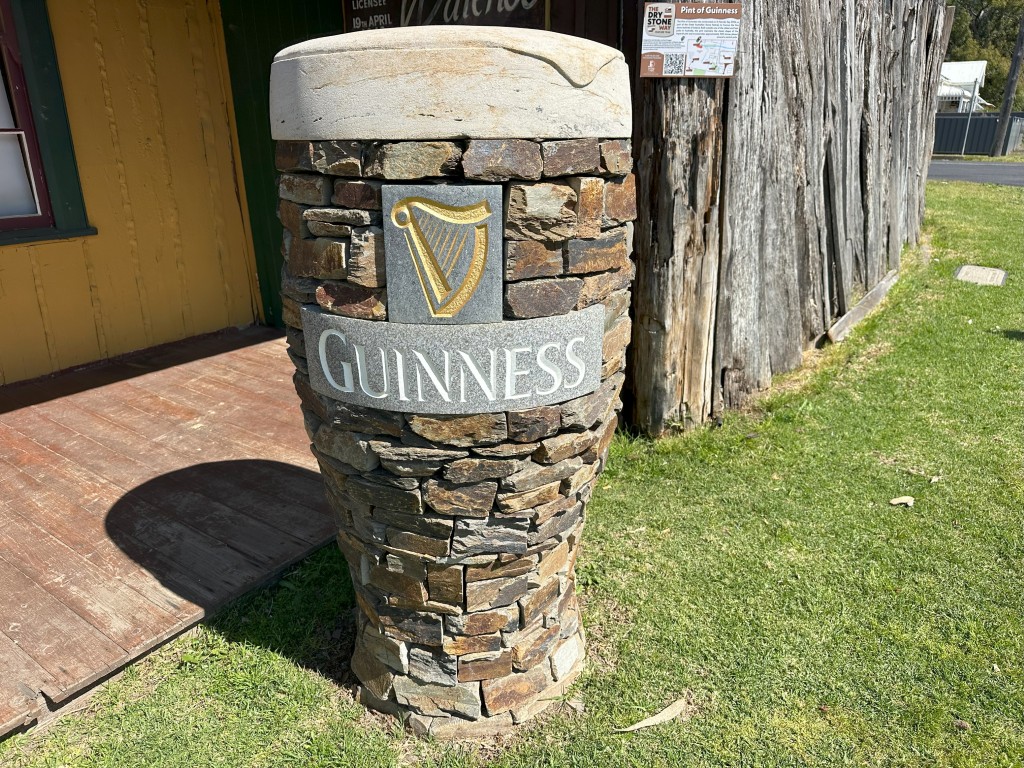
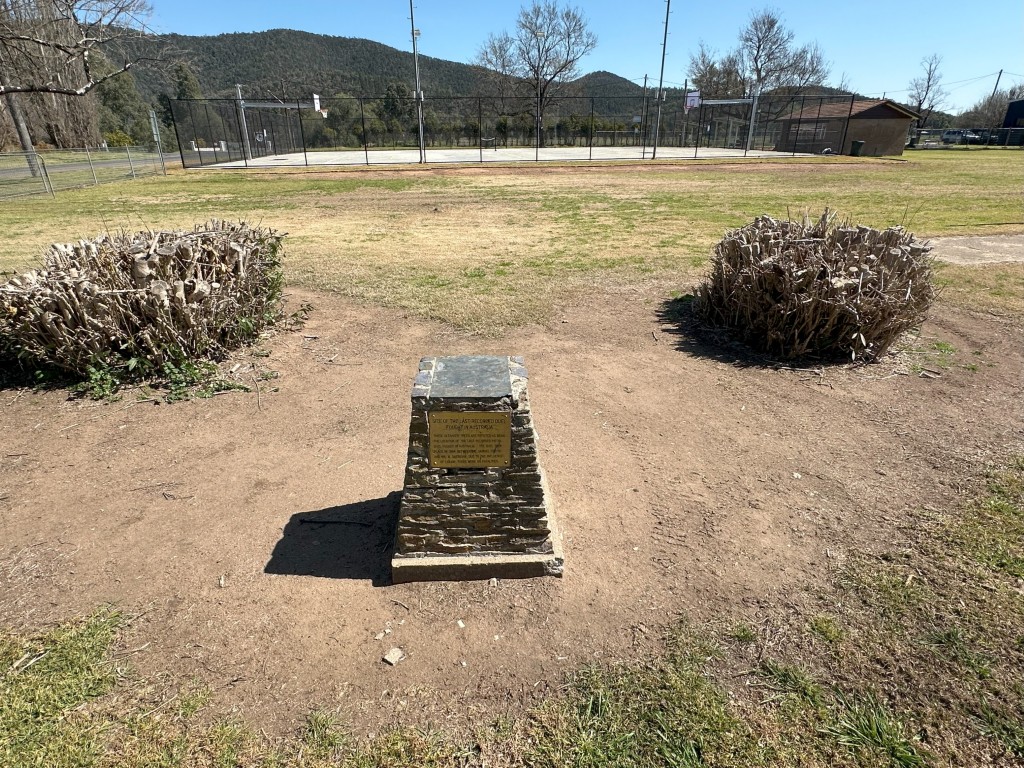
Across the road from the Lion of Waterloo pub, is the site of the last recorded dual in Australia in 1854. Dr. Curtis and Magistrate Sheridan (both intoxicated) decided to settle their argument outside the pub in a dual. After both guns misfired, they fell to the ground. The dual did not result in any fatality, and both men went back into the pub to patch up their difference.
The last dual recorded in Australia where the guns actually fired, was in 1851 in Sydney. In this dual three shots were fired by each man. The last shot from Sir Mitchell hit Sir Donaldson’s hat and no one was killed. Sir Donaldson not only survived the duel, he also became the Premier of New South Wales in 1856.
In both cases the argument was settled and honour restored.
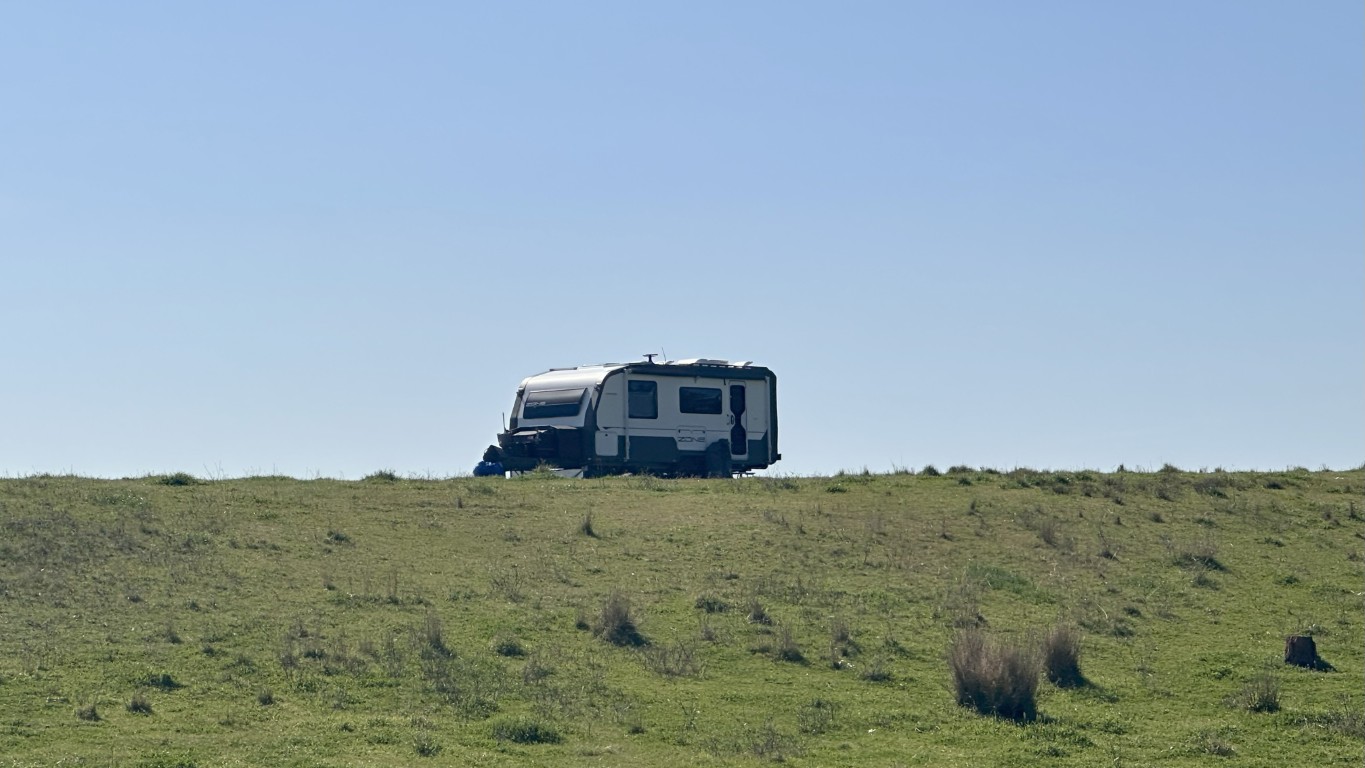
After a few great campfires and a lovely stay at Ponto Falls Reserve, it was time to move on.
We decided to take a backroad to Cowra. After passing through the Mount Arthur range, we stopped at this Banjo Paterson Style Hat in Yeoval.
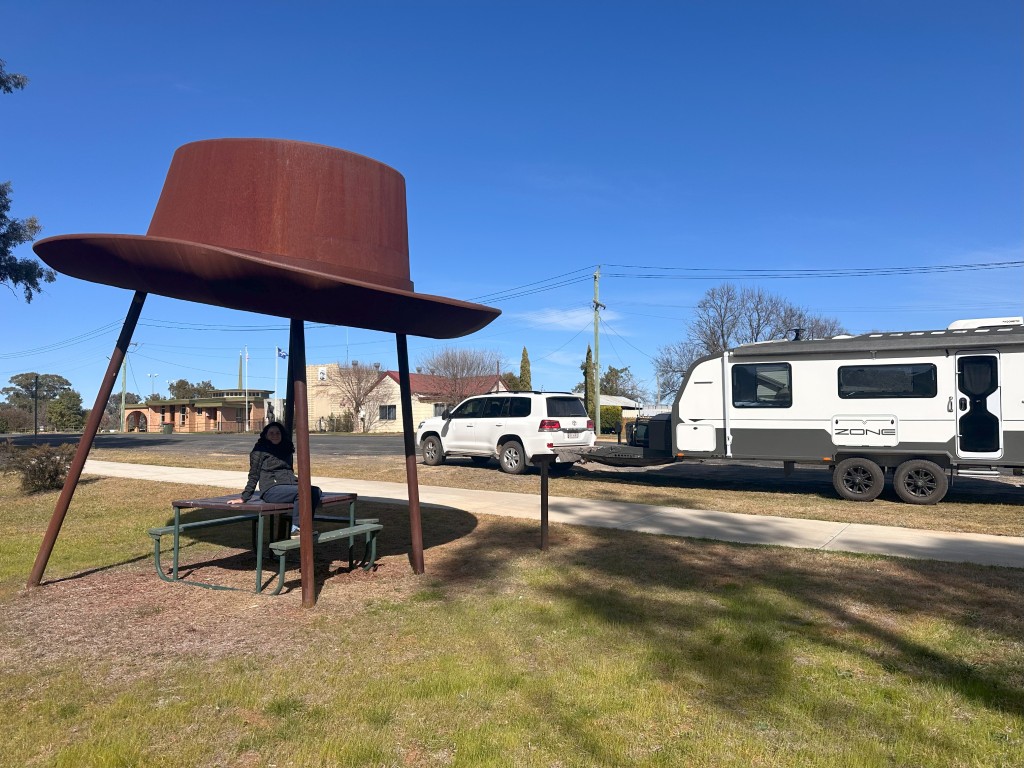
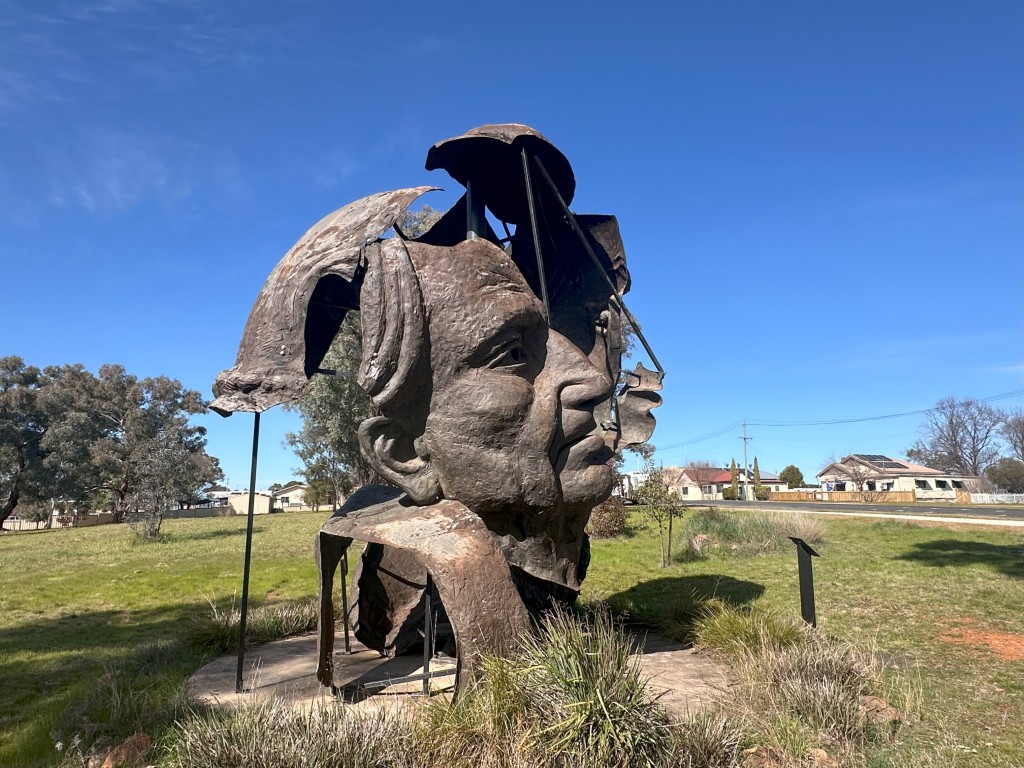
Next to the hat is a sculpture of the head of the English sculpture, Henry Moore. This sculpture is the tallest bronze sculpture in Australia at 6-meter tall and weighing six tonne.
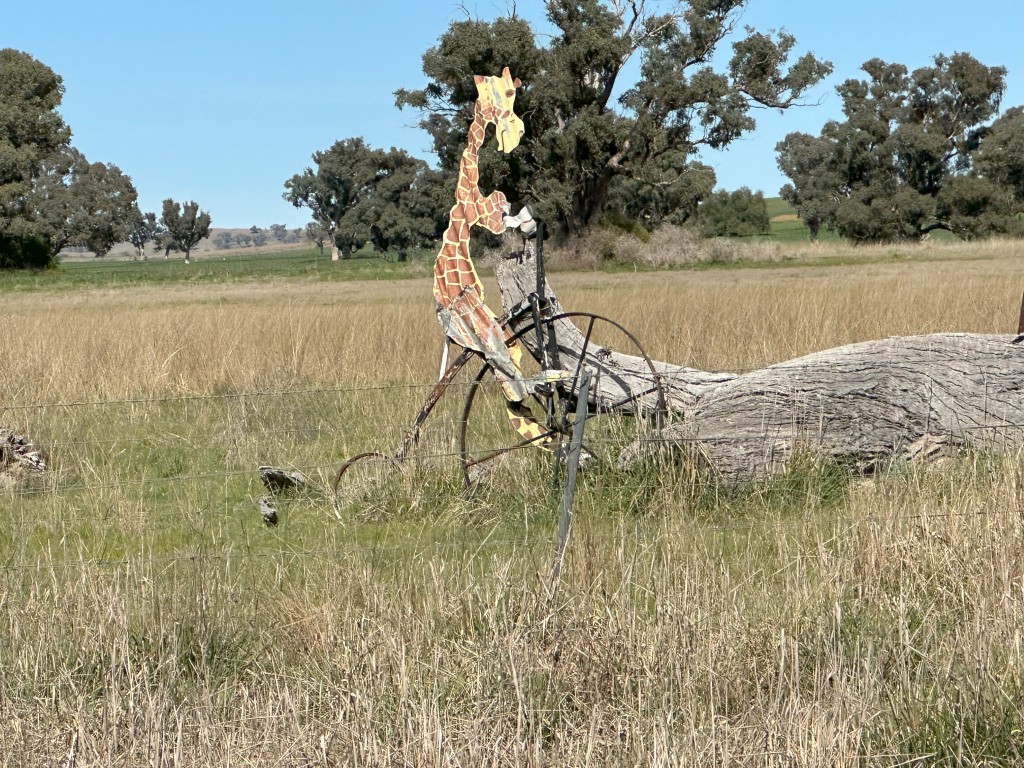
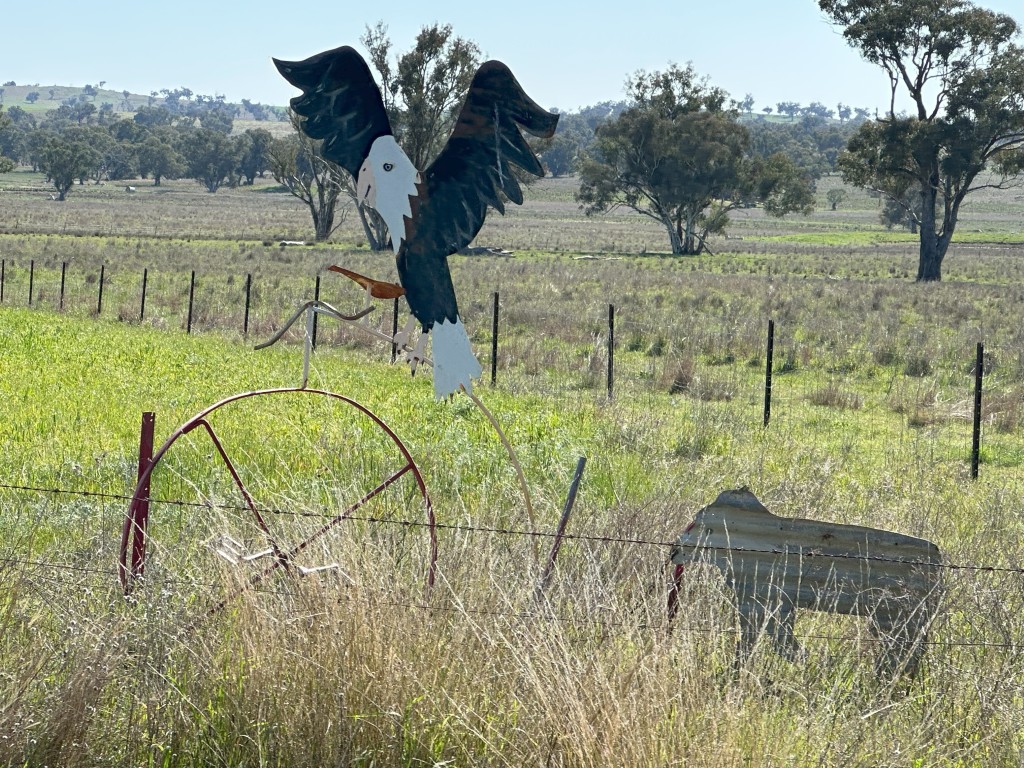
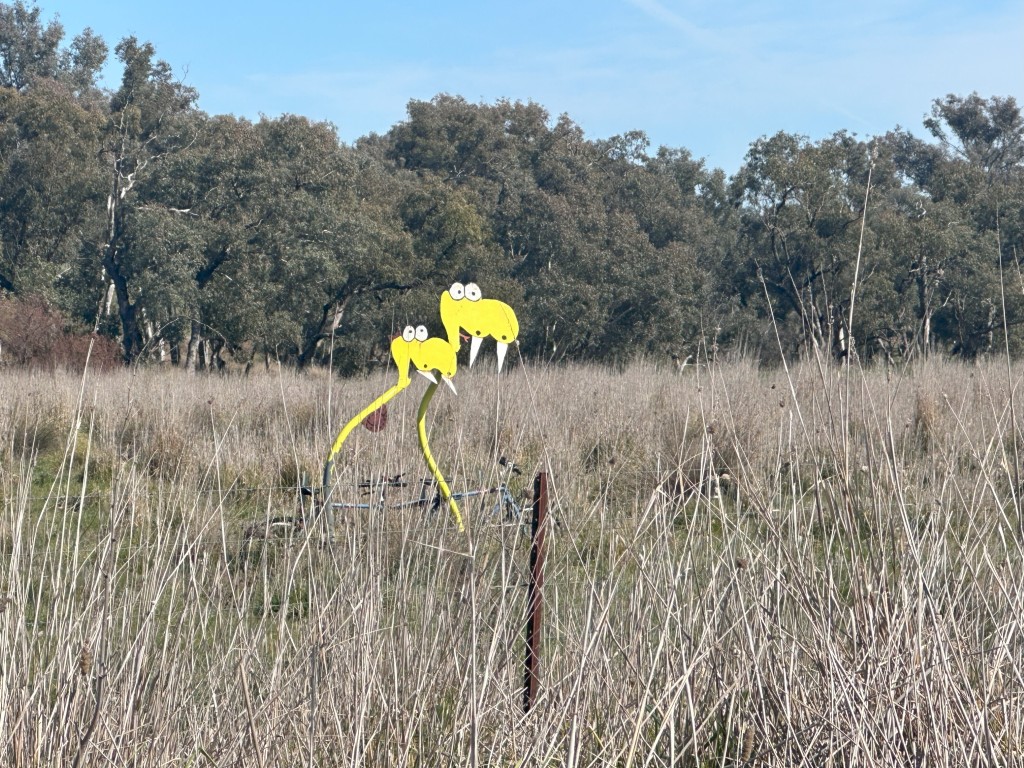
From Yeoval we followed the Animals on Bikes Paddock Art trail to Cumnock. Participating farmers display an animal on a pushbike in their roadside paddocks. Along the 120km trail, you will find giraffes, eagles, snakes and almost any animal imaginable.
We stopped for morning tea at Cumnock. This horse sculpture was on display in the local park. You need a lot of creativity, patience and fine welding skills to create this sculpture from farm scrap.

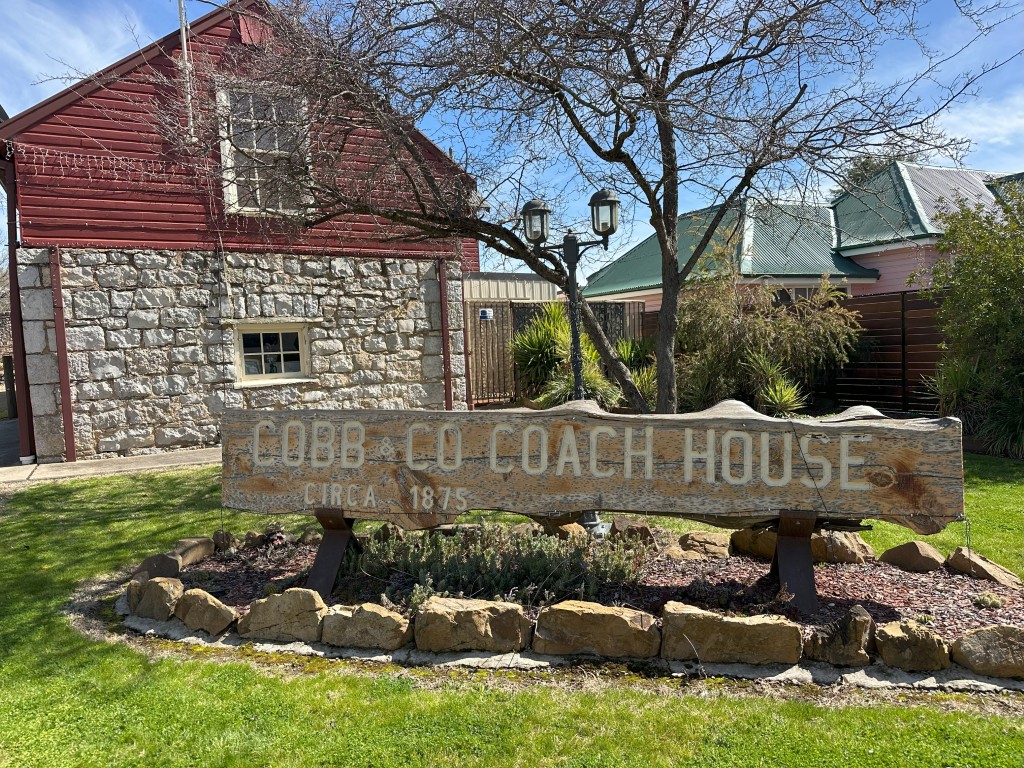
Before planes, cars or trains, Cobb & Co coaching company transported passengers, mail and gold along the eastern seaboard of Australia’s mainland. This was the equivalent of Amazon, Etsy or Temu between 1850 and 1920, just a bit slower.
In Molong one of these old coach houses dating back to 1875, was restored.
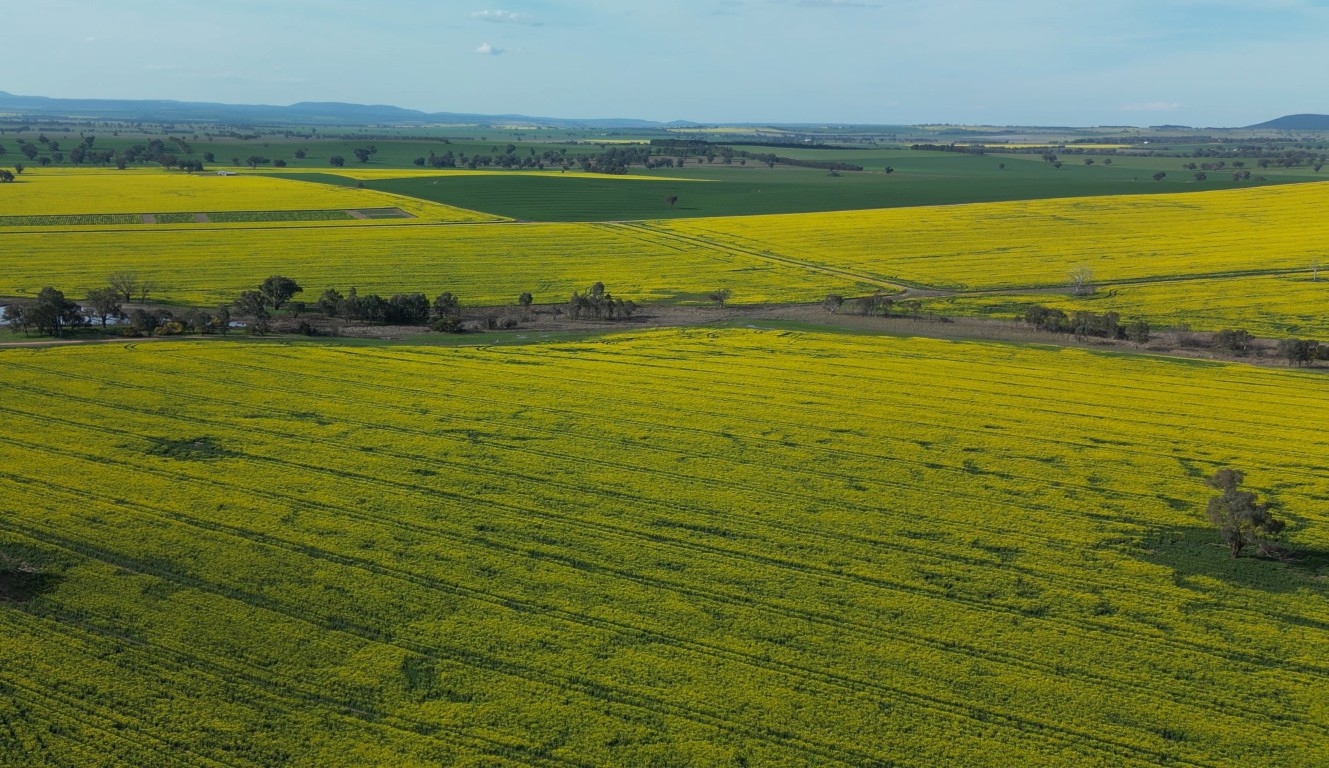
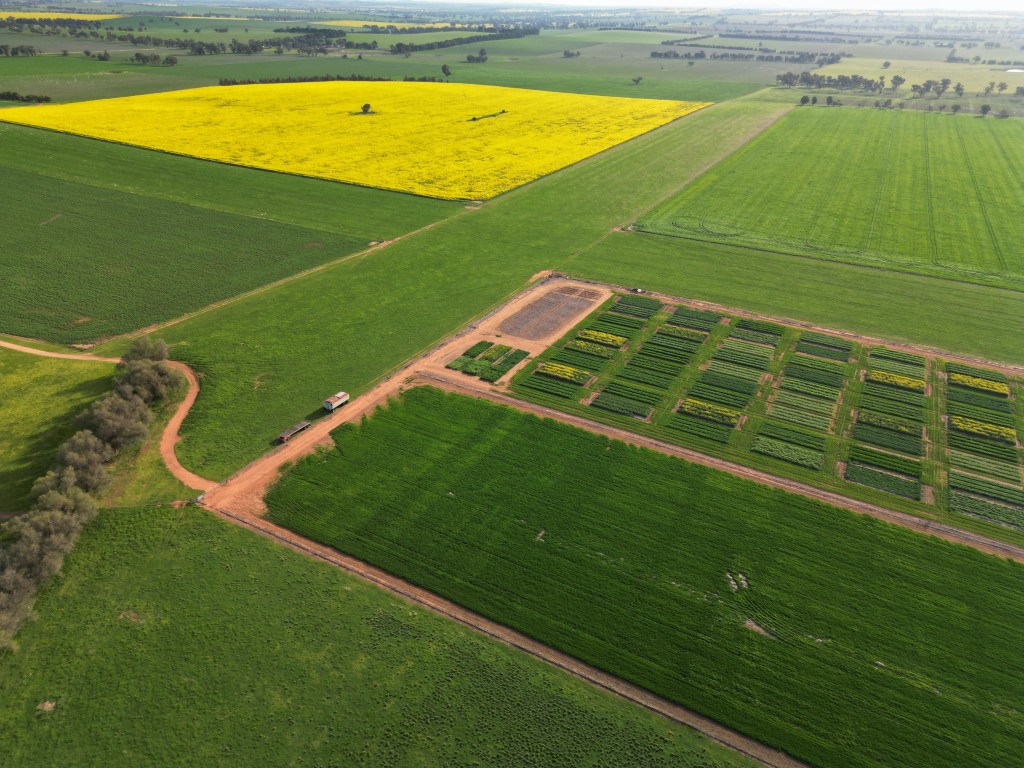
On the way to our next destination, the canola fields were lining the road. We have close friends who settled in Cowra. We planned our trip to be in Cowra over a weekend to spend maximum time with them. We had a great weekend with many laughs, good food and late nights.
With the benefit of local knowledge, we visited Young to explore the surrounding area with our friends.
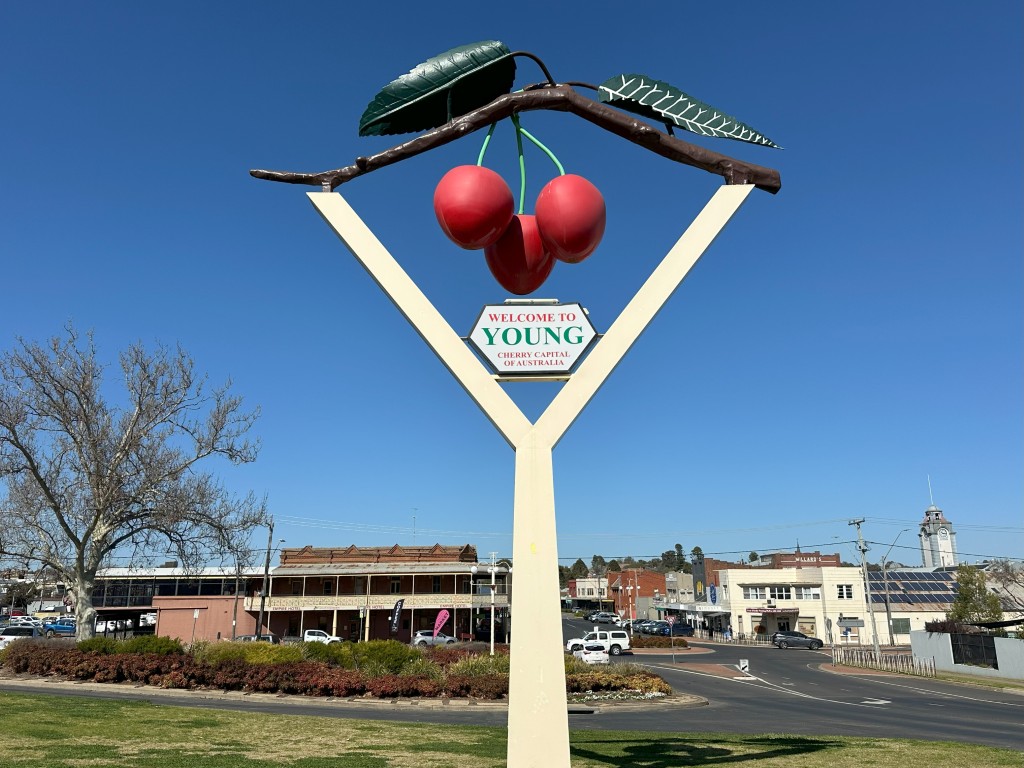
Young is known as the Cherry Capital of Australia. We were in time to see the cherry trees starting to blossom. The Big Cherries are at the railway station in Young.
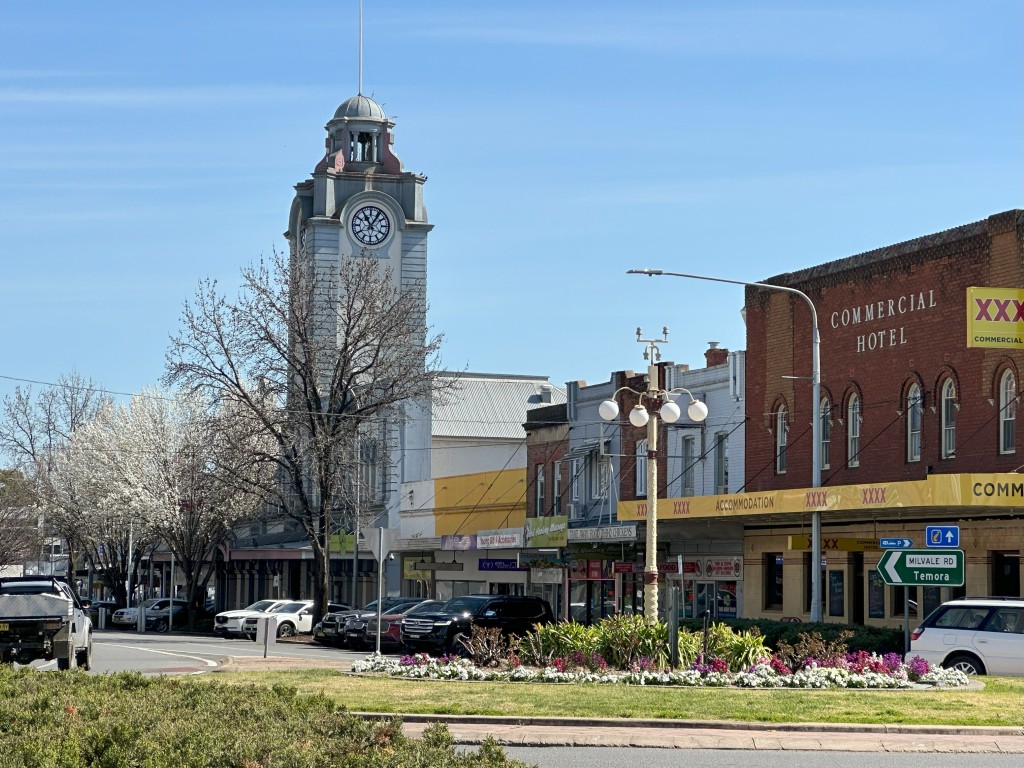
We had a relaxing walk through the main road before stopping for breakfast at a local café.
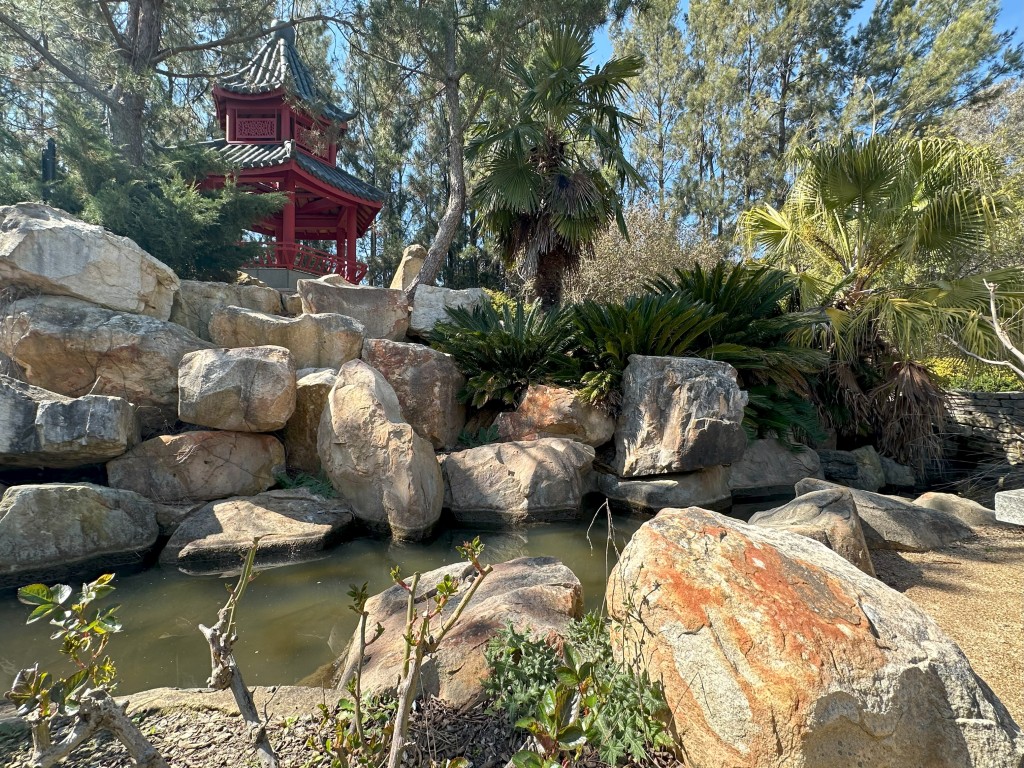
Just outside Young is the Lambing Flat Chinese Tribute Garden.

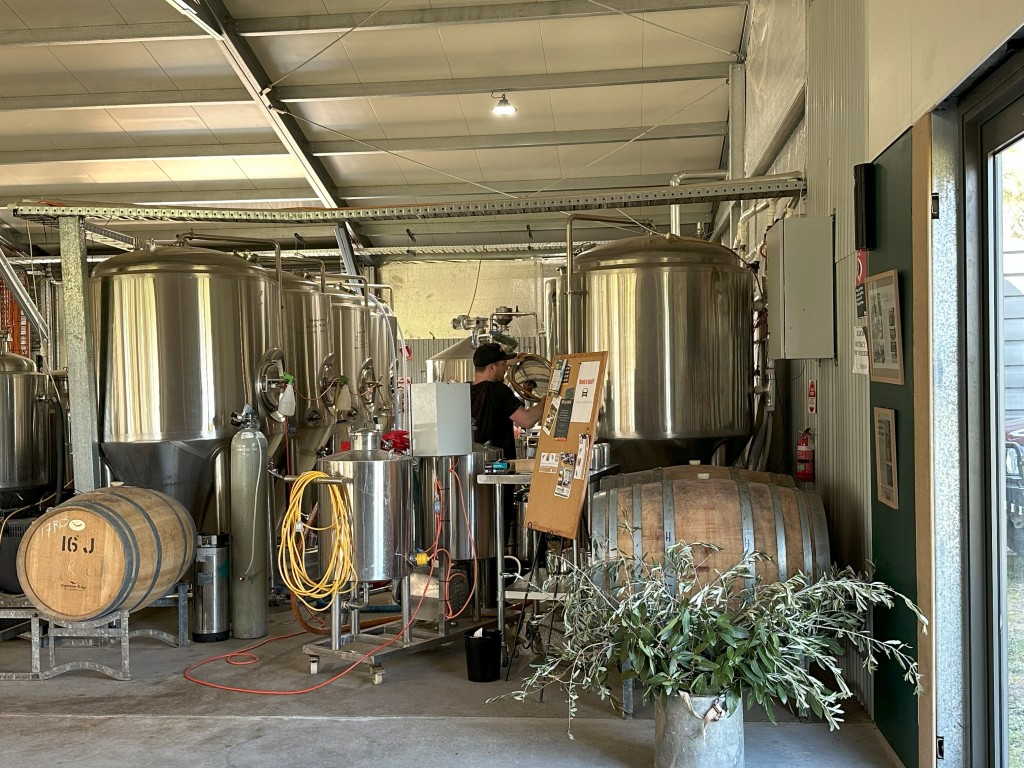
On the way back to Cowra we stopped at Bulla Creek Brewing Co. This brewery is owned, managed and run by a Steph and Mike. The brewery is located on a fifth generation farm where Steph grew up and Mike could follow his passion for brewing beer. After tasting a few beers, I got stuck on the coffee stout beers. These beers are infused with locally sourced coffee.
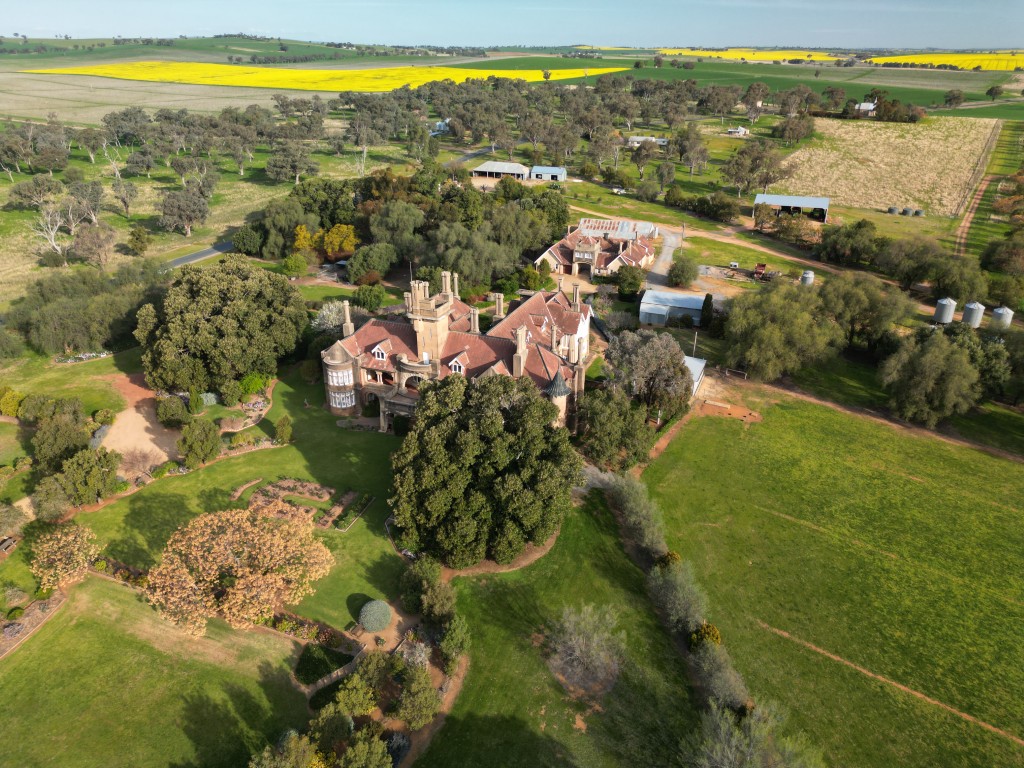
We passed Iandra Castle in Greenthorpe on the way back to Cowra.
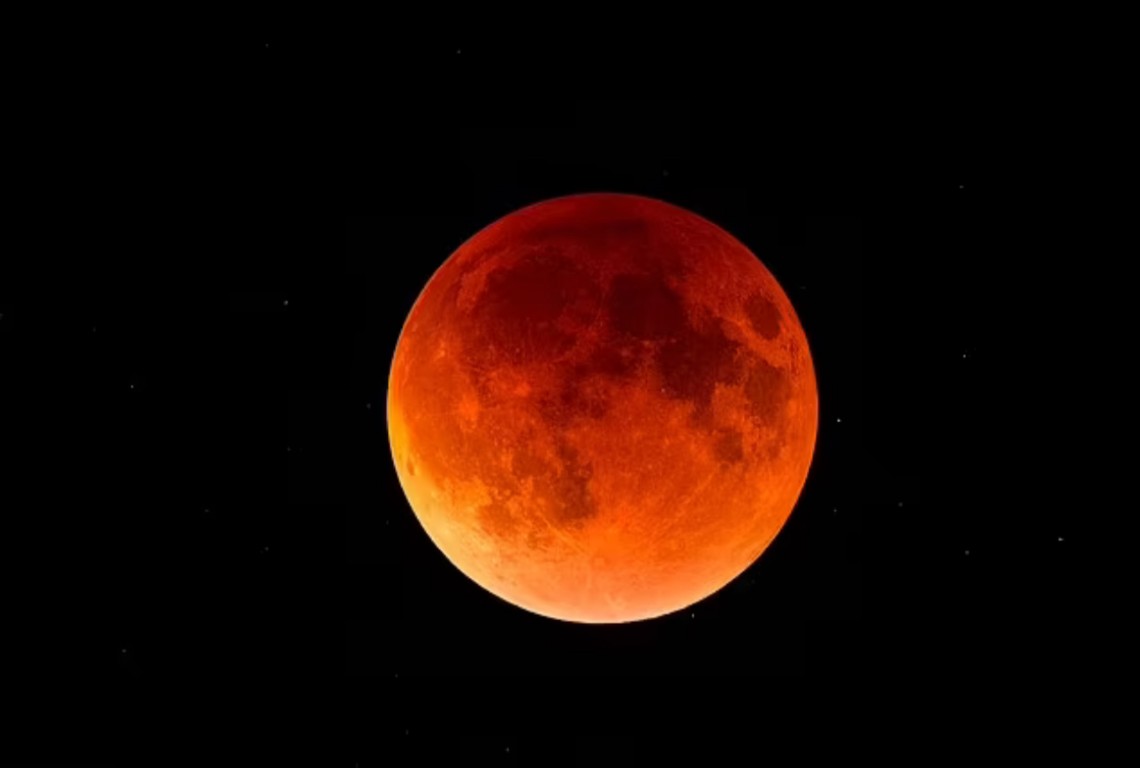
The morning of September 8, 2025, before leaving Cowra, we got up early to see the blood moon.
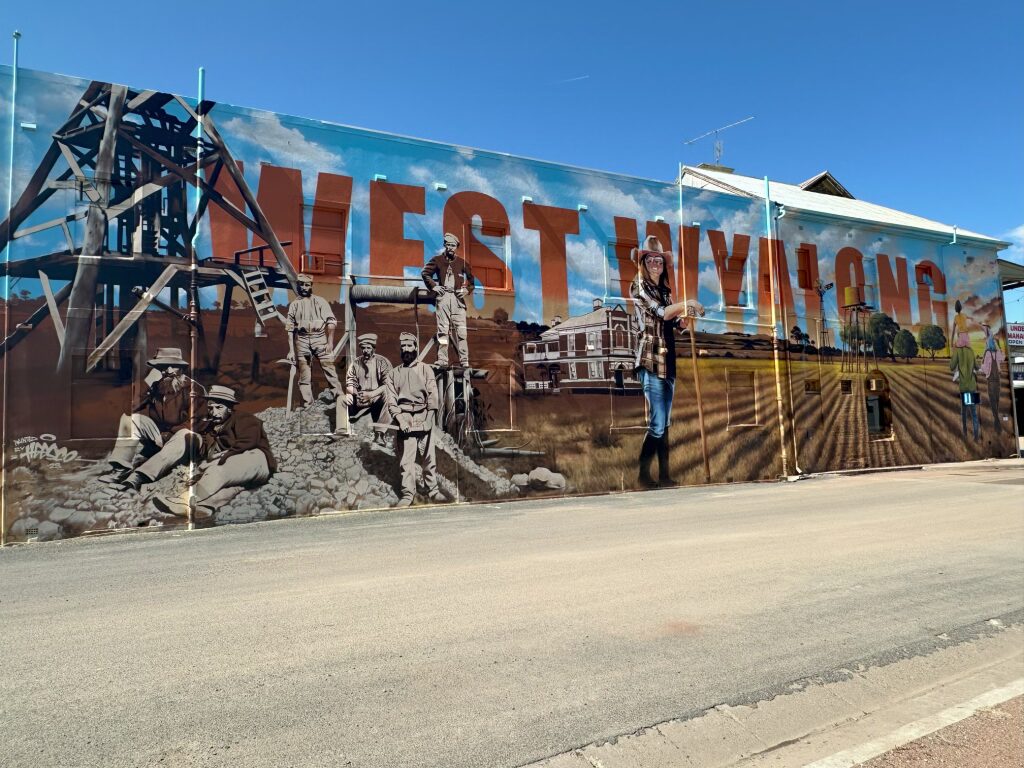
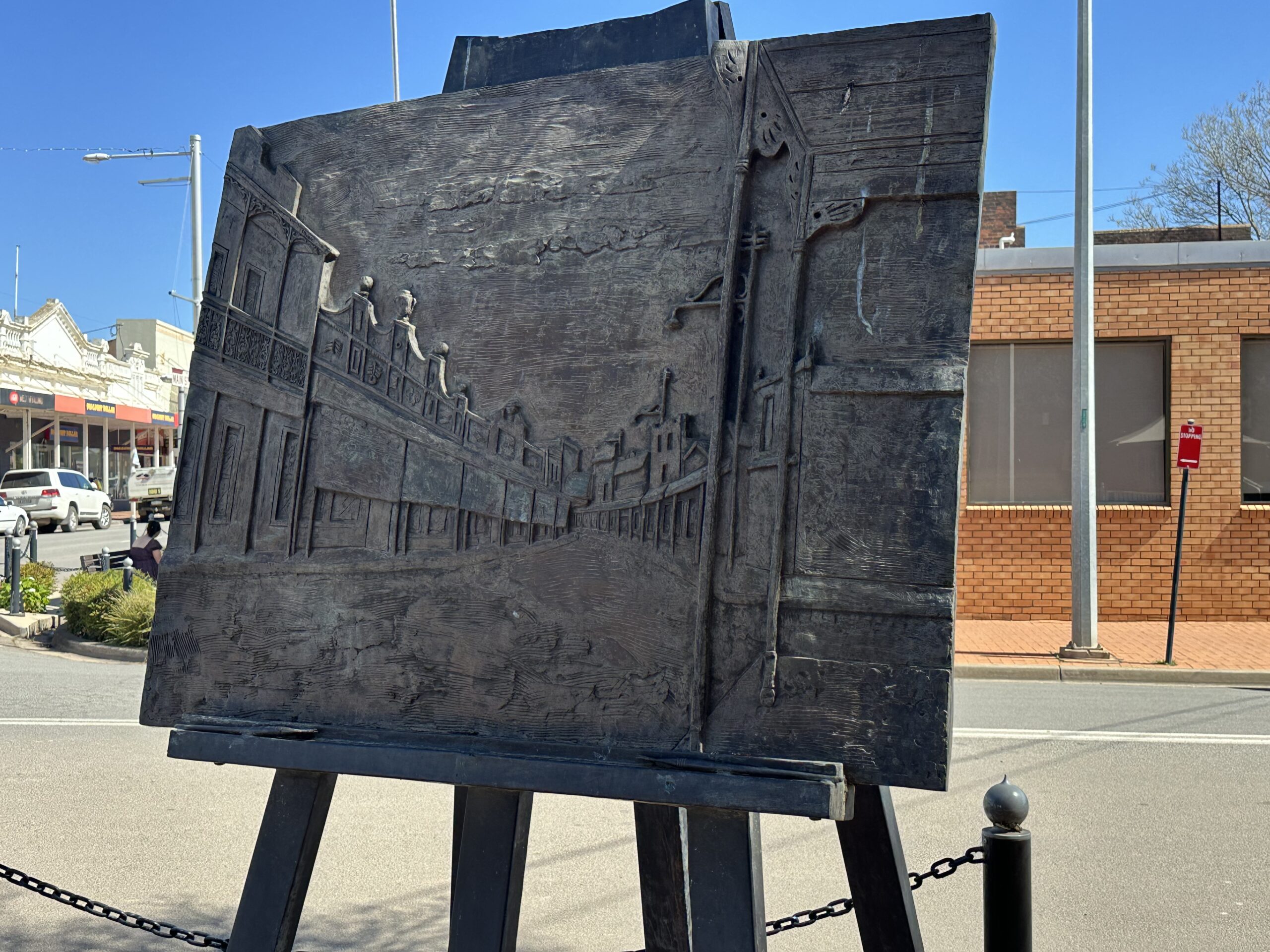
Our next destination was Weethalle. We passed through West Wyalong and stopped to look at a mural that celebrates local heritage, community spirit and cultural pride as well as the statute of the easel of Sir Russel Drysdale.
Sir Russel Drysdale was one of the best known Australian painters. He had a few days in West Wyalong in 1949 as he joined a friend who had business in town. While his friend was working, Russel put up his easel in front of the Tattersall’s Hotel in the main street and started painting the courthouse and main street. This ended up being one of the most powerful paintings of his career.
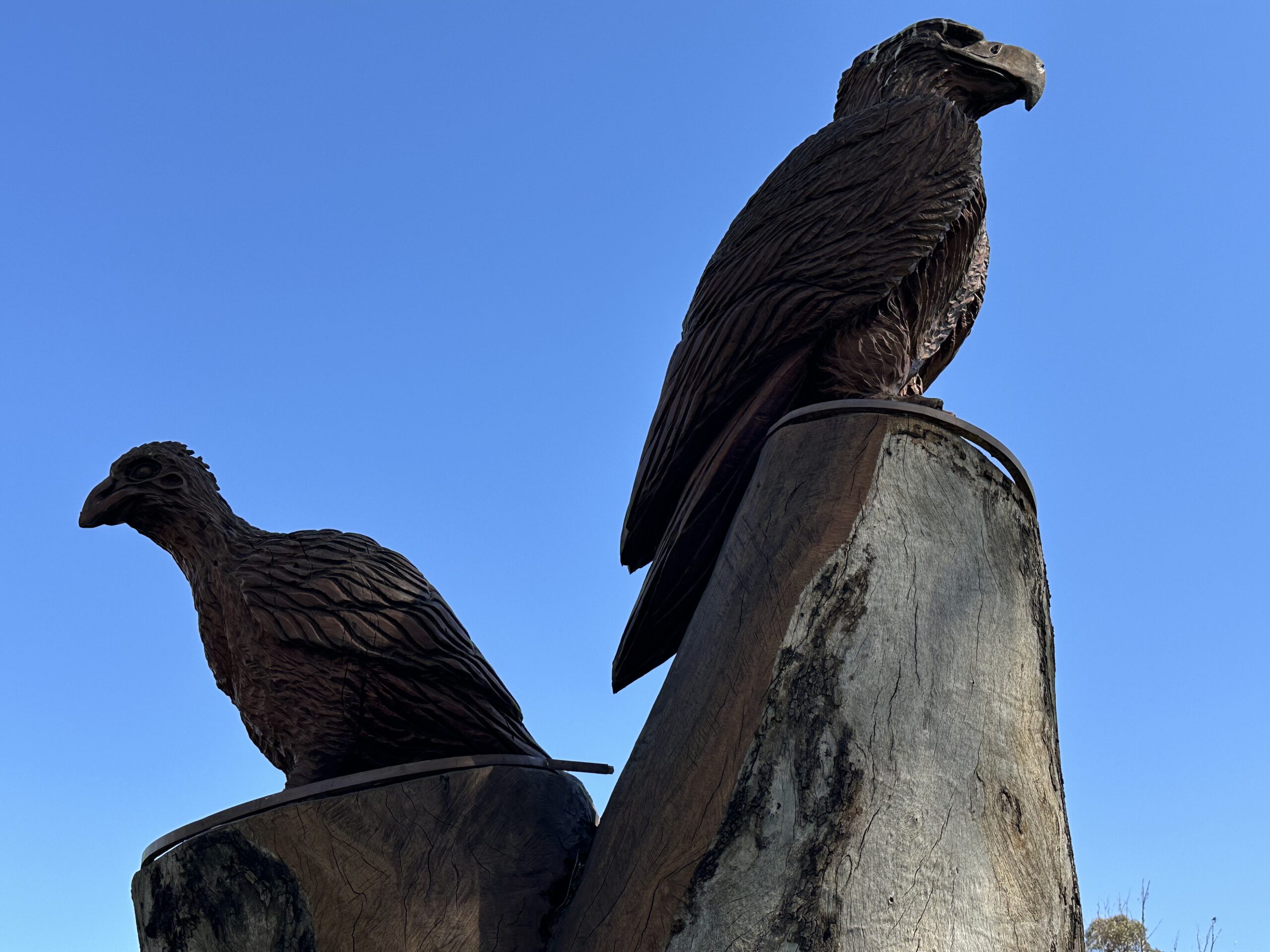
Adjacent to where we parked in town, was a chainsaw tree sculpture of a Wedge-Tailed Eagle and Mallee fowl. Not bad for a chainsaw 🙂
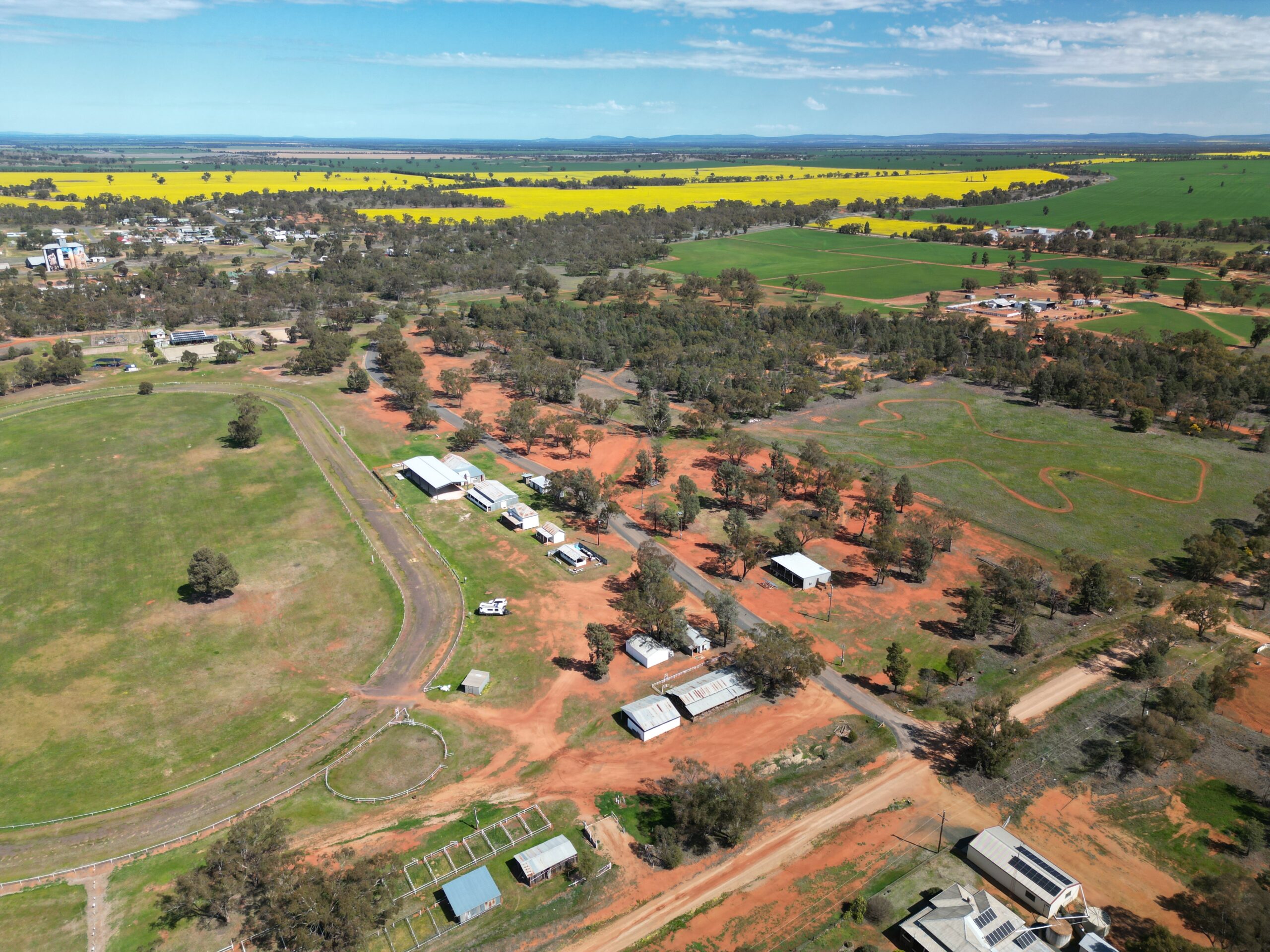
We spent a few days at Weethalle where they offered power and water sites at their showgrounds.
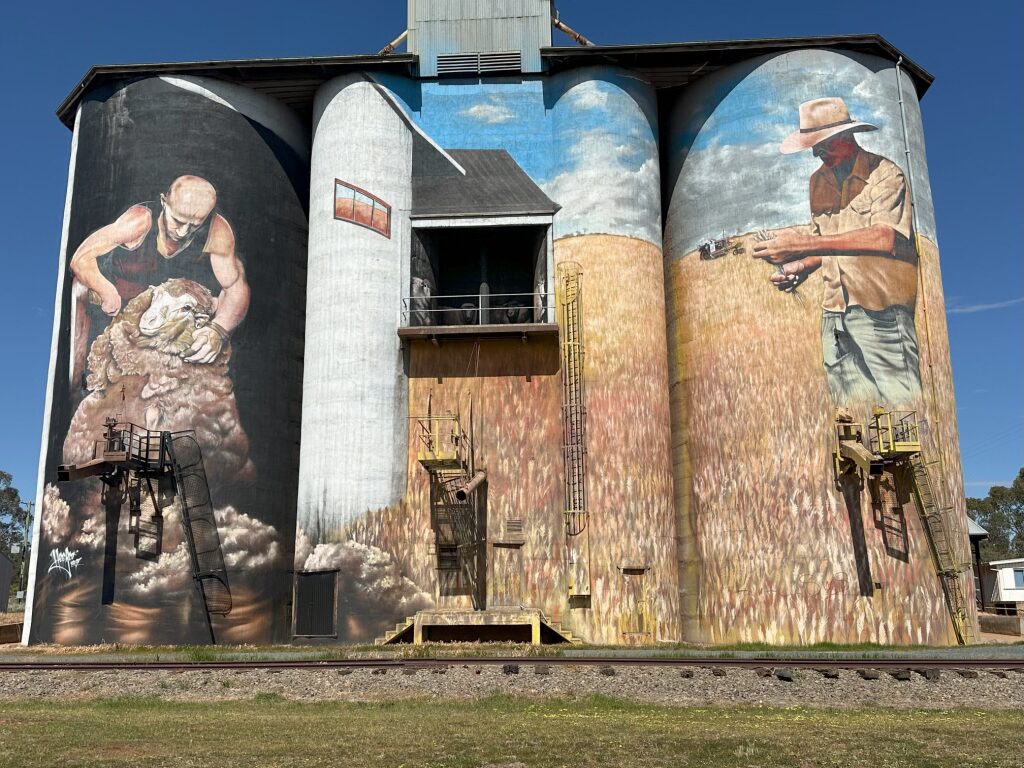
This town is as small as they get. There are only a handful of businesses in town with the Weethalle Silo Art as a backdrop.
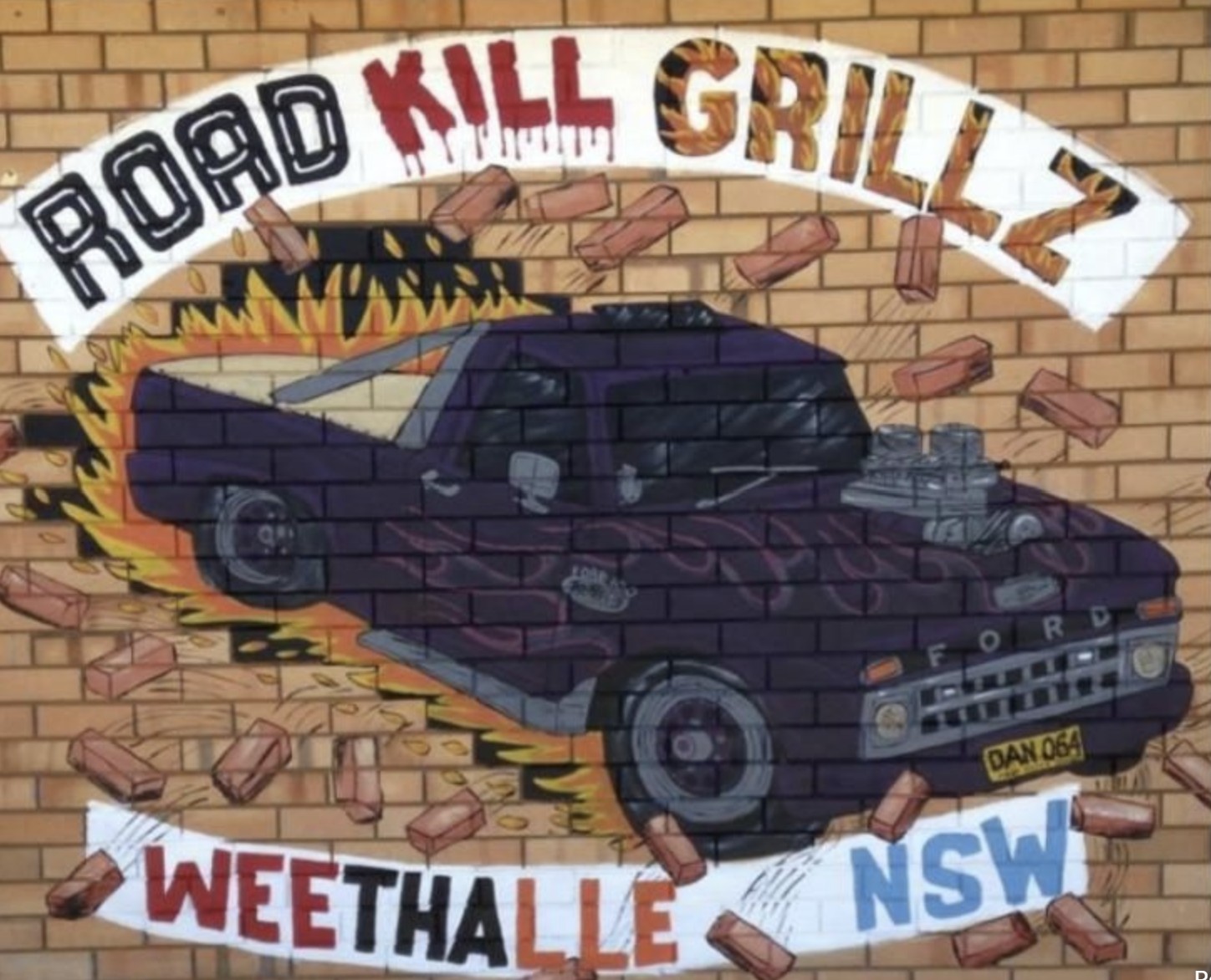
They only restaurant was the Road Kill Grillz. Great place to order a tuna salad.
From Weethalle we headed west on our way to South Australia.