
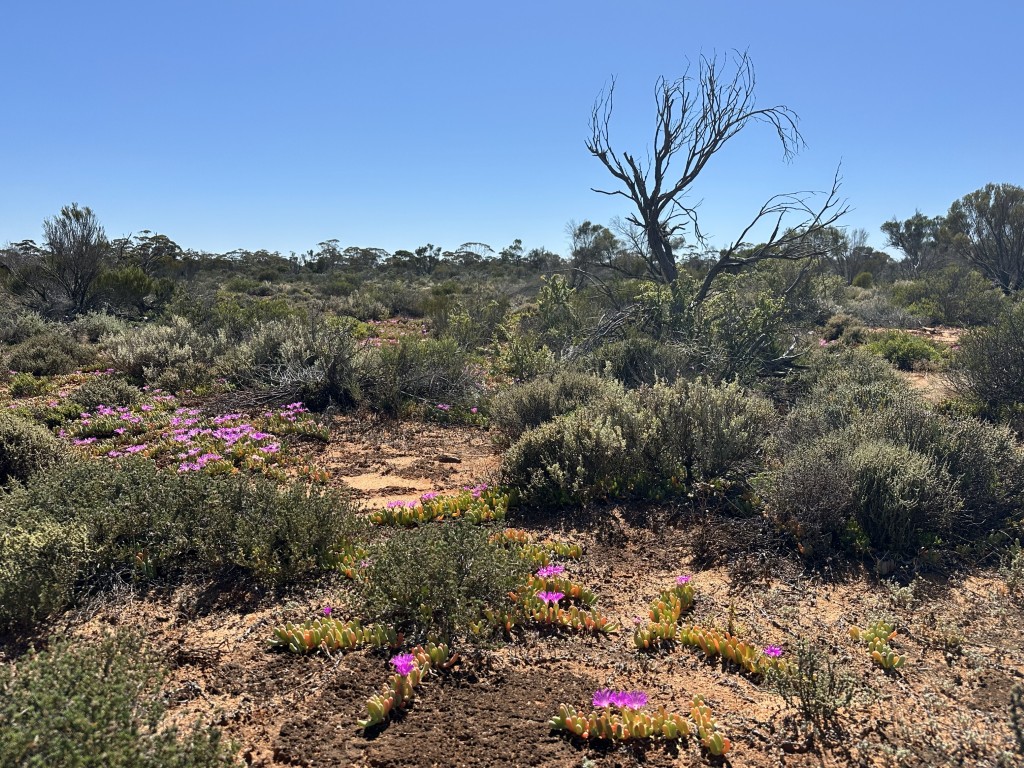
After the Nullarbor Plains crossing, we spend the last few nights along the Ayre Highway at Fraser Range Hideaway. This remote off-grid campsite was a kilometre off the highway with quiet, dark nights. The only sound was the hoot of a masked owl. We still had enough water onboard to stay a few nights at this tranquil campsite to explore a few attractions in the area. Looking out the window you could see a few trees, salt bush, blue bush and the last of the season’s wild flowers.
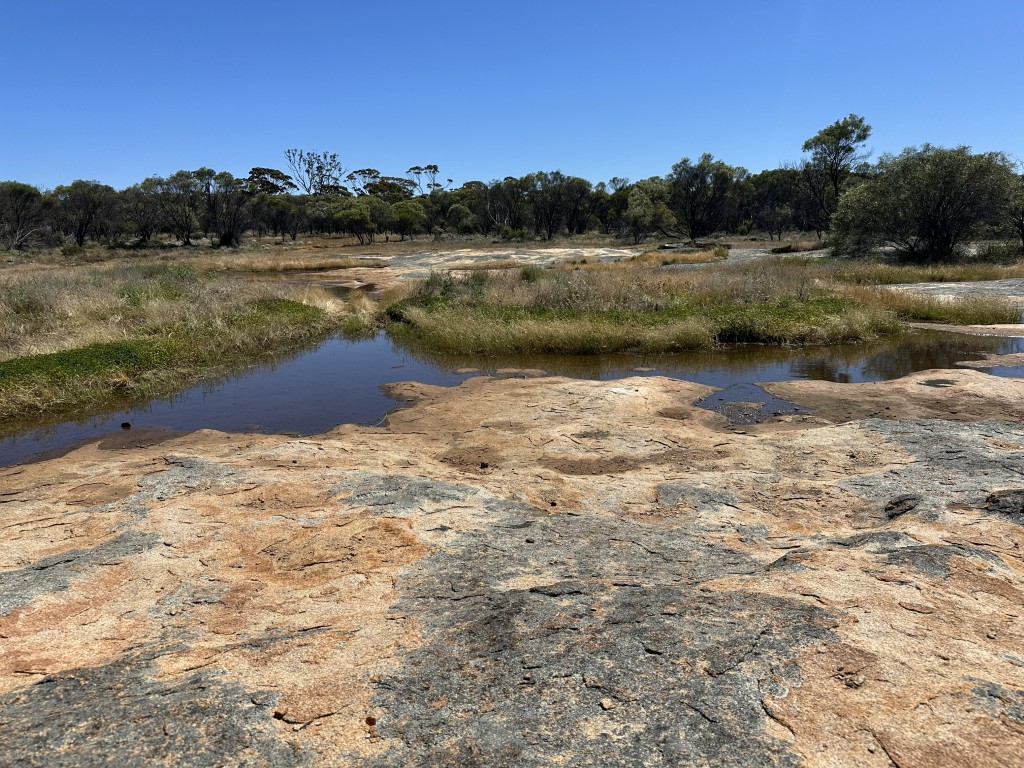
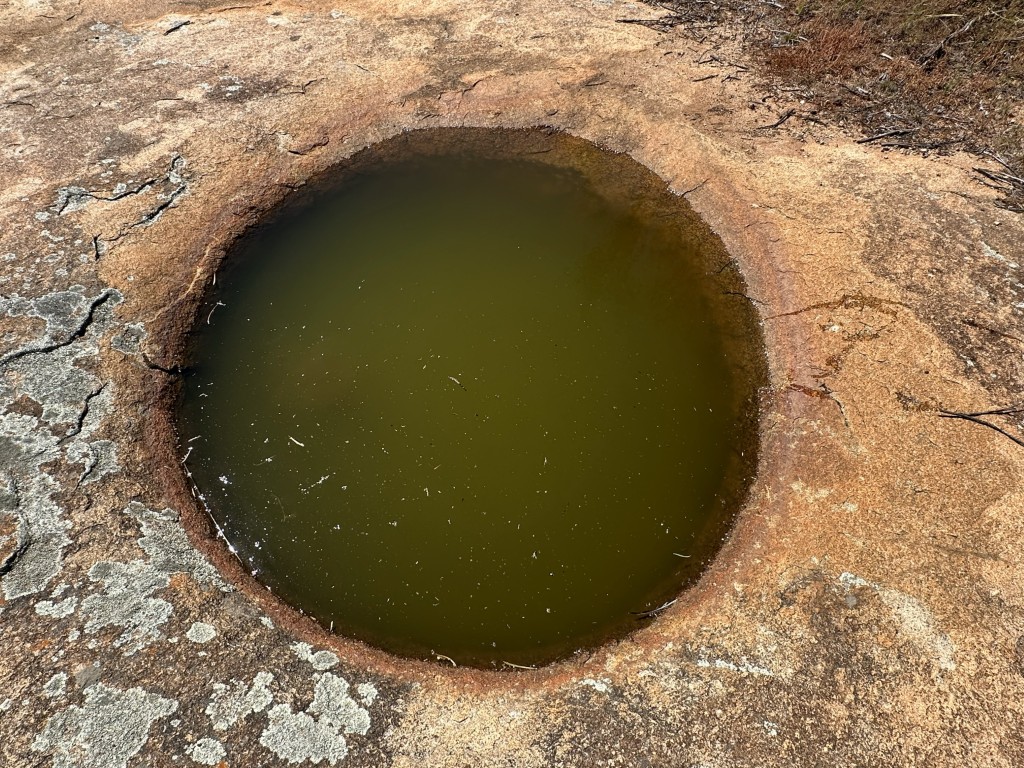
Just around the corner from the campsite is the Buldania Rocks. This patch of green vegetation surrounding deep waterholes seemed out of place in this dry, arid land.
After leaving the Ayre Highway behind us, we fuelled up at Norseman. It was great to fill up with reasonably priced diesel. From Norseman you can either turn right to Kalgoorlie or left to Esperance. We turned left to Esperance to get some reprieve after weeks in dry and hot environments.
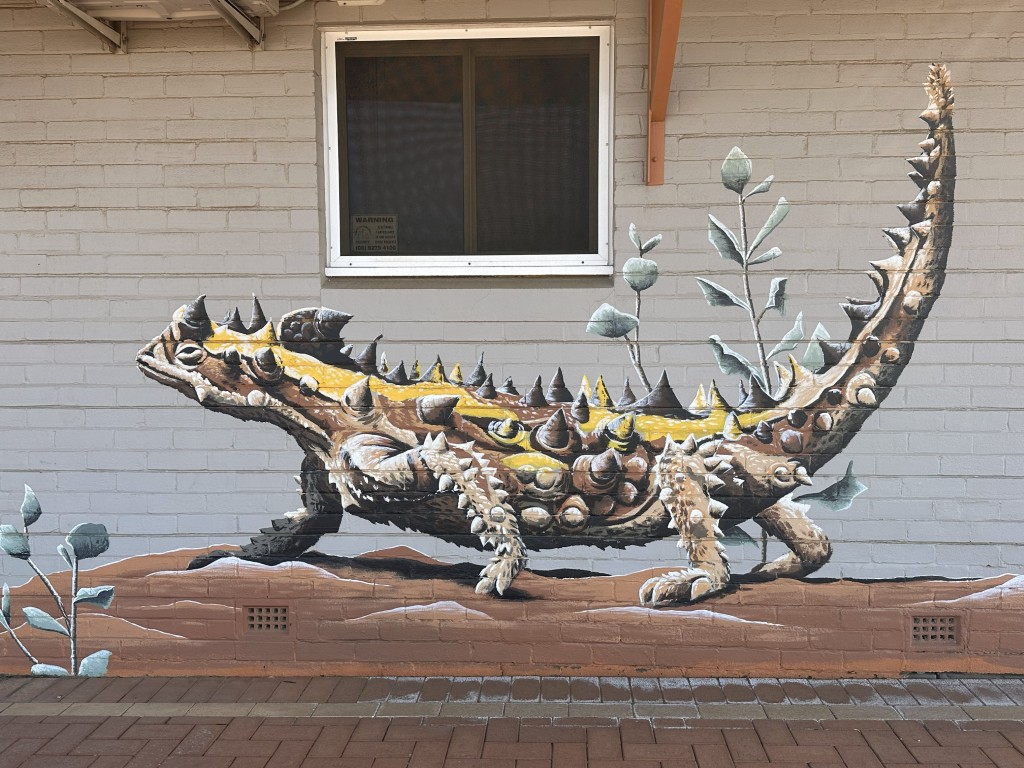
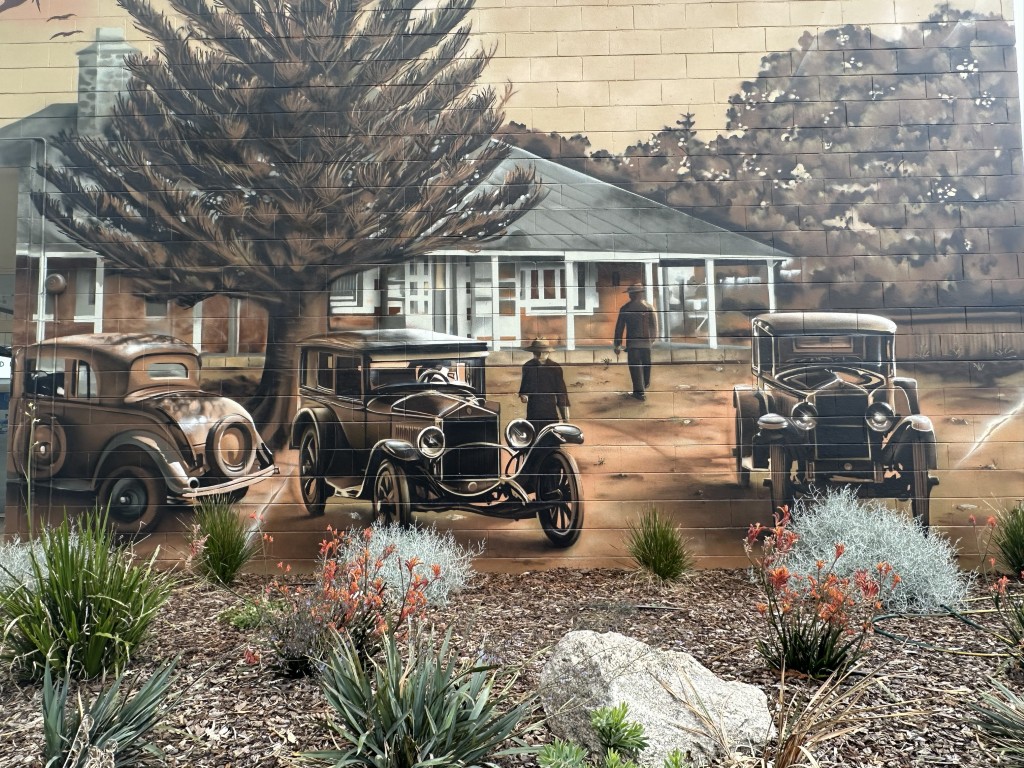
The thorny devil is one of the animals on our bucket list to see. On the way out of Norseman, we passed this mural which was the closest we got to see a thorny devil.
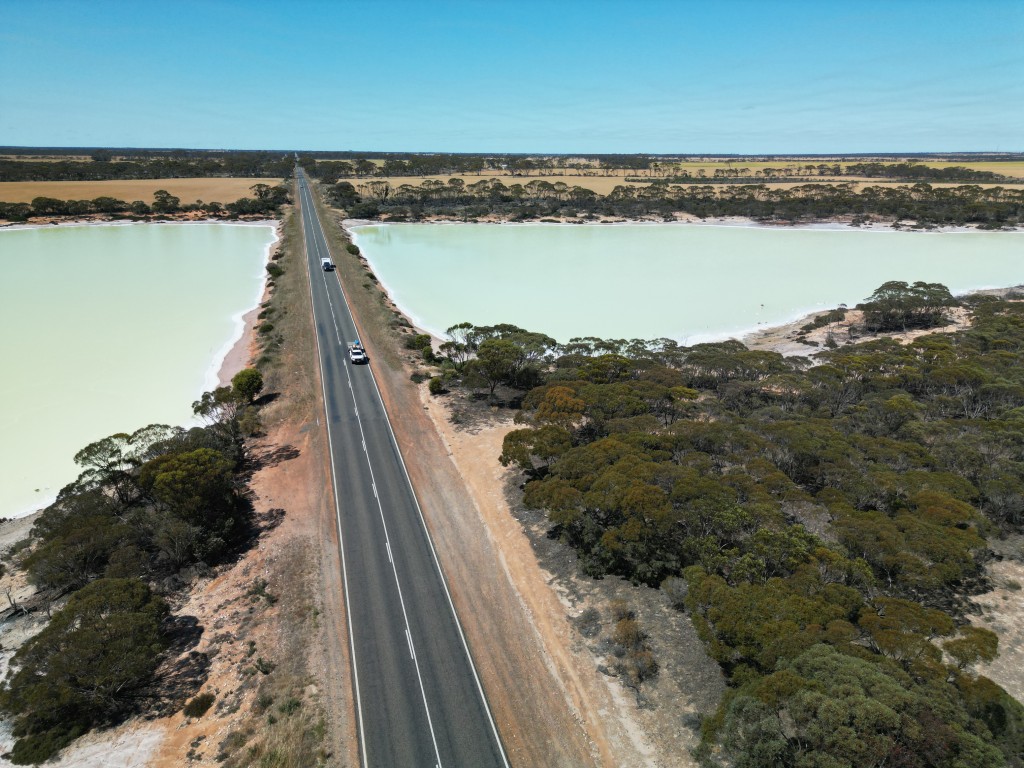
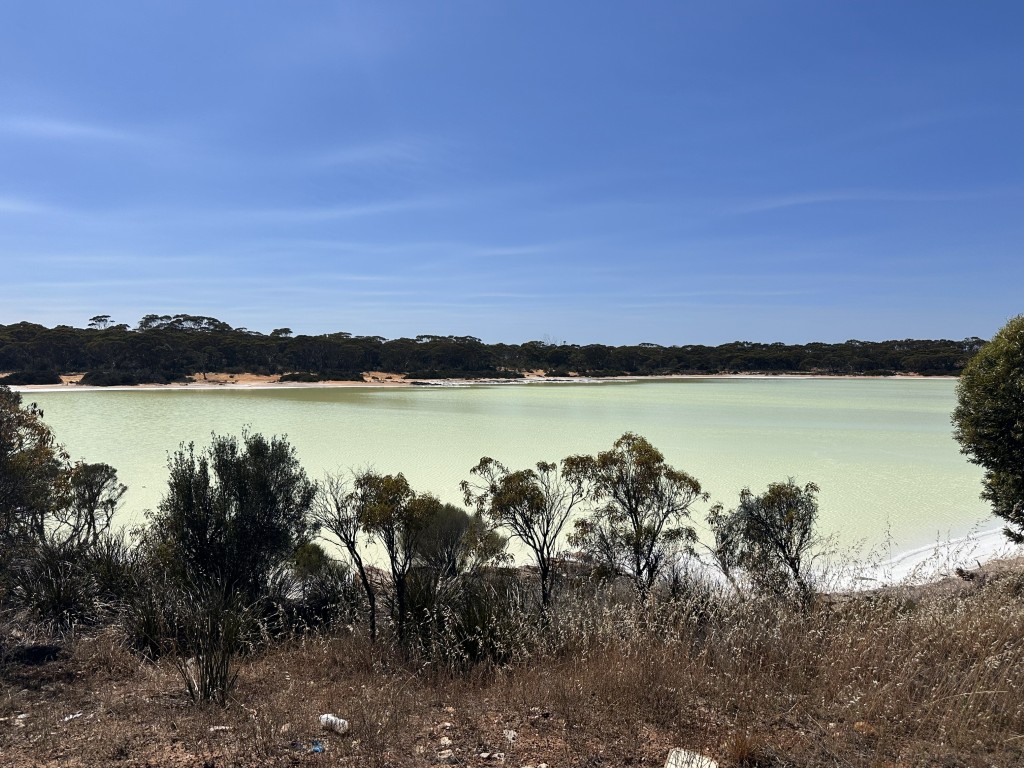
On the way to Esperance, we crossed Stevensons Lake. A pea-green lake was a novelty to us, and we had to stop to take a closer look.
We booked into a caravan park in Esperance. After 35 days off-grid it was great to have on site power and water. It was an opportune time to clean and wash the car and caravan while on a grassy campsite with a water connection.
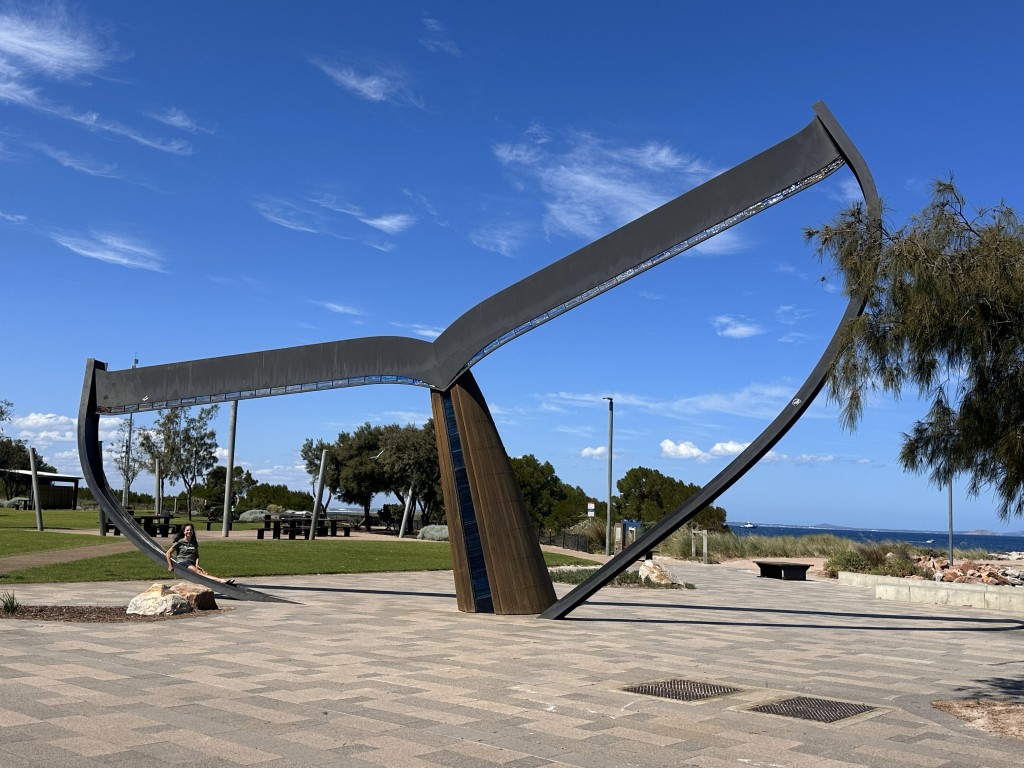
After we recouped for a few days, we started exploring Esperance. A massive Whale Tail Sculpture on the foreshore, was our first stop.
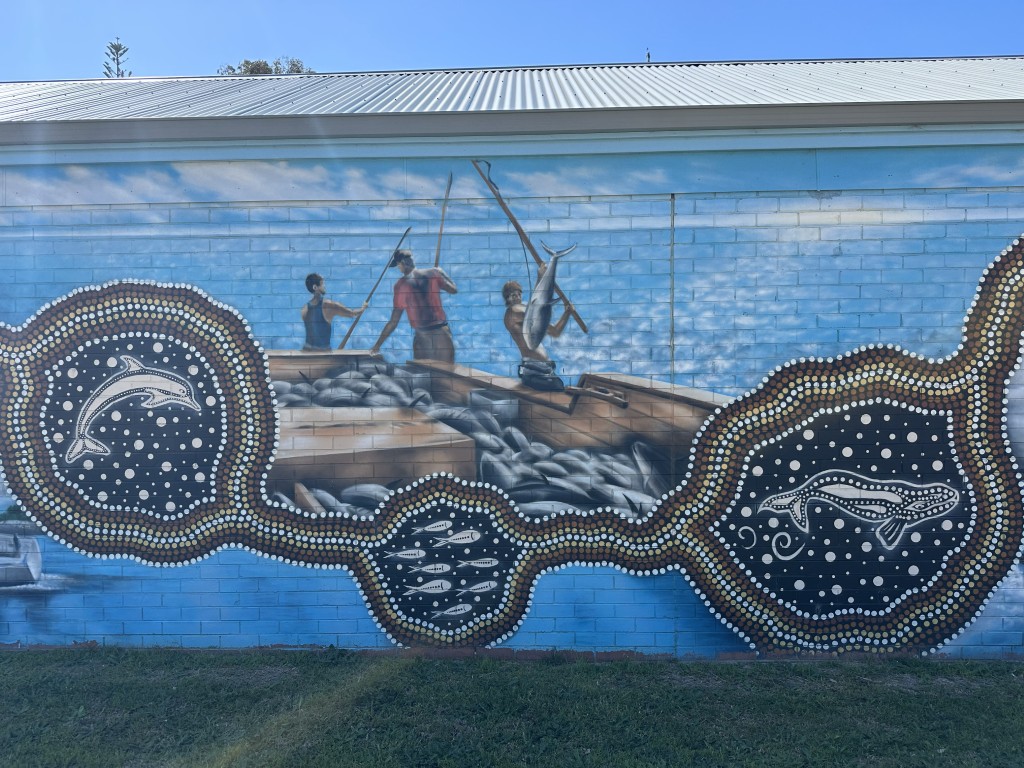
From the Whale Tail Sculpture we walked to Taylor Street Jetty. On the way, we passed the Dolphins and Family’s Journey mural and a miniature clock tower.
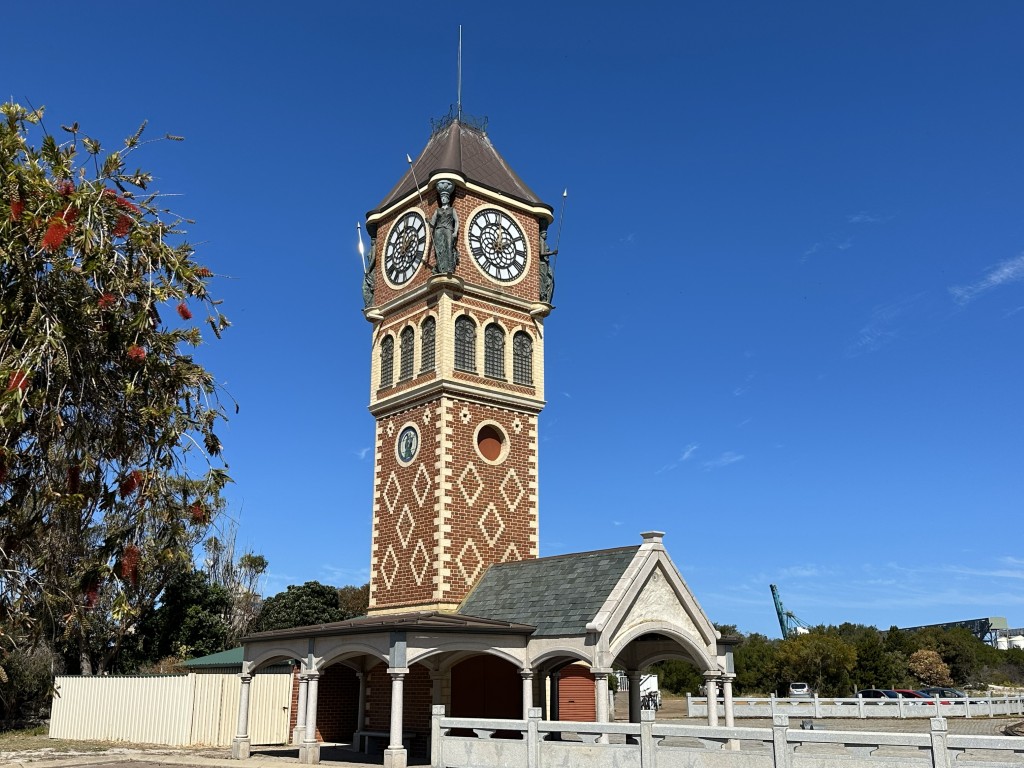
This miniature clock tower is the only mechanical clock built in Australia in the past 70 years. It was designed and built by members of the local miniature railway club. The architecture is based on Greek and Roman designs and the clock mechanism seems to be a knock-off of the Big Ben clockwork driving four faces.
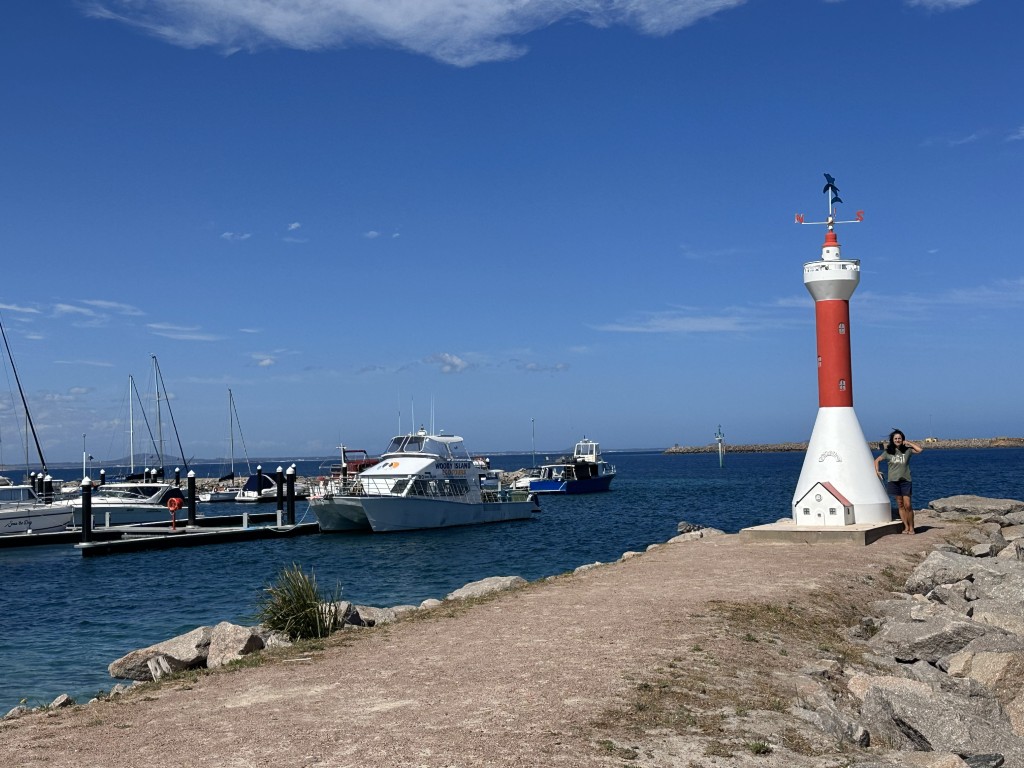
The miniature lighthouse sculpture is at the end of Taylor Street, close to the harbour. The lighthouse seemed to be a popular spot with the local fishos.
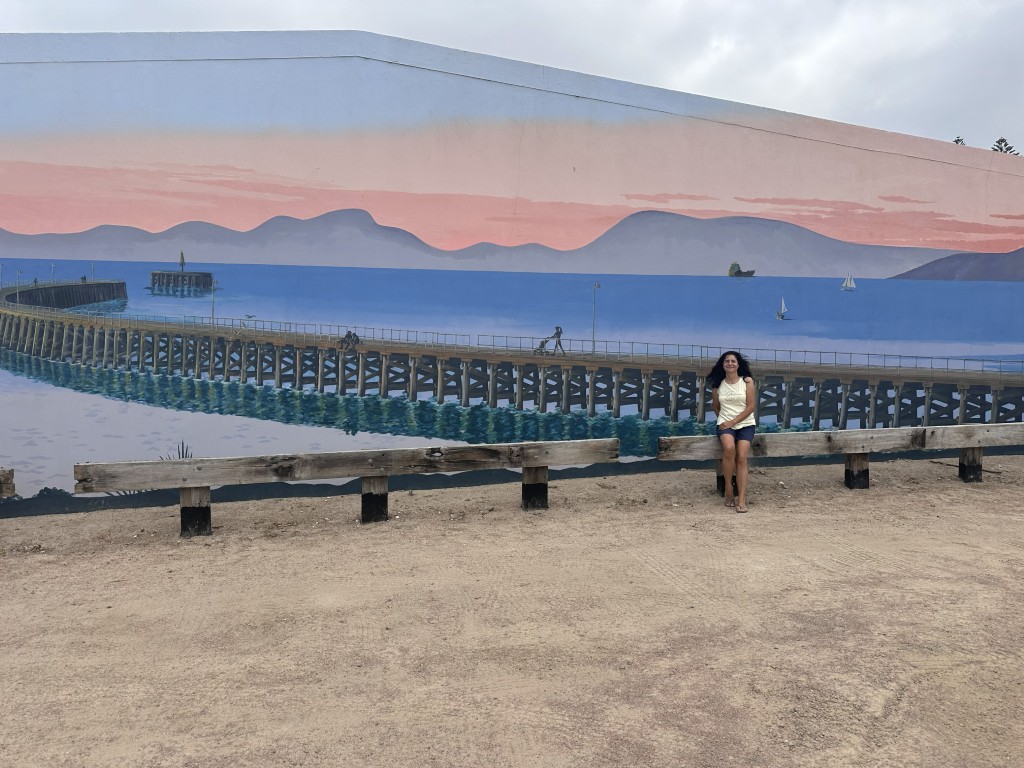
The Old Tanker Jetty made way for the new modern jetty. Phil Shelton created this mural of the Old Tanker Jetty.
The mural of the Old Esperance Post and Telegraph Office by Jerome Davenport was one of our favourite murals in Esperance.
From Rotary Lookout you have a great view over Esperance, the harbour and the surrounding beaches.
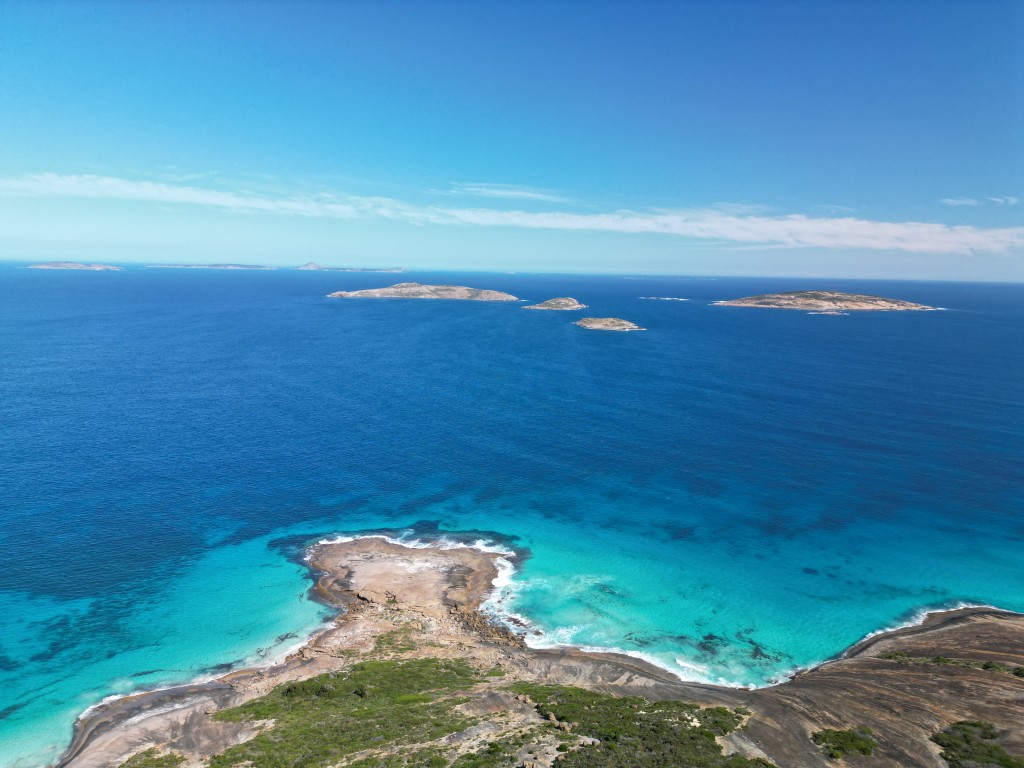
The next few days we enjoyed the beaches west of Esperance. The best way to explore the local beaches is to follow the Great Ocean Drive Loop. One of the first beaches is West Beach. From the lookout, you have a great view towards fish rock.
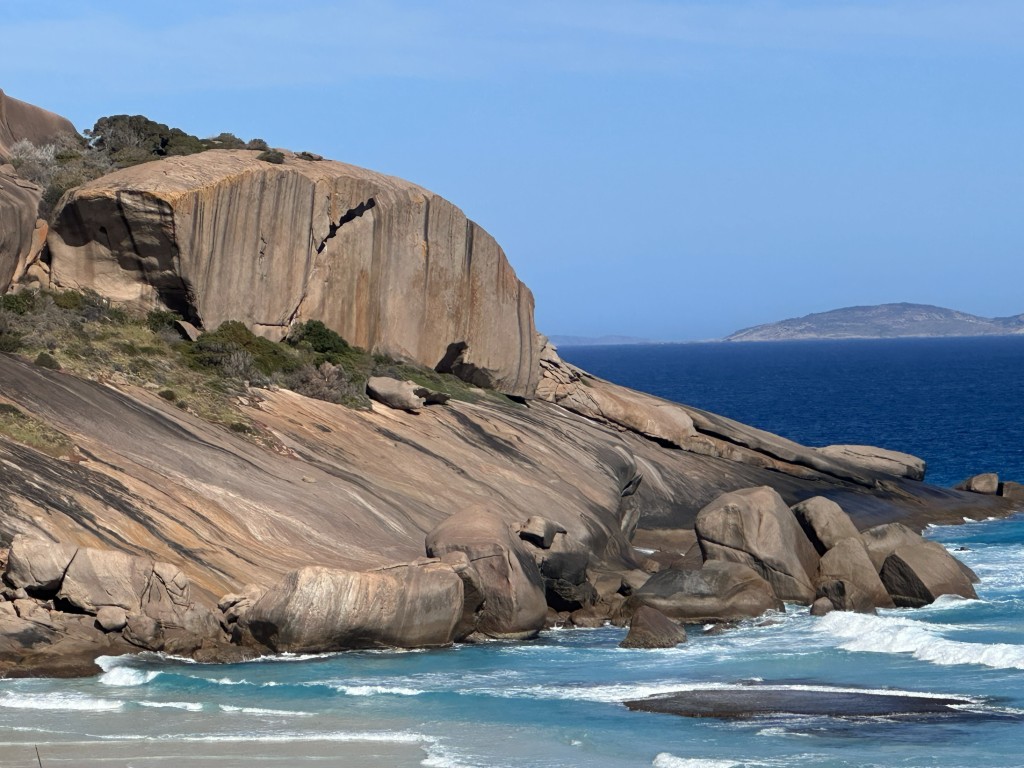
About 14 km out of Esperance, is Observatory Point. This rocky outcrop has a steep staircase to a top deck, rewarding you with 360° views. This point had significance to early French Explorers, mapping the coast in 1792 .
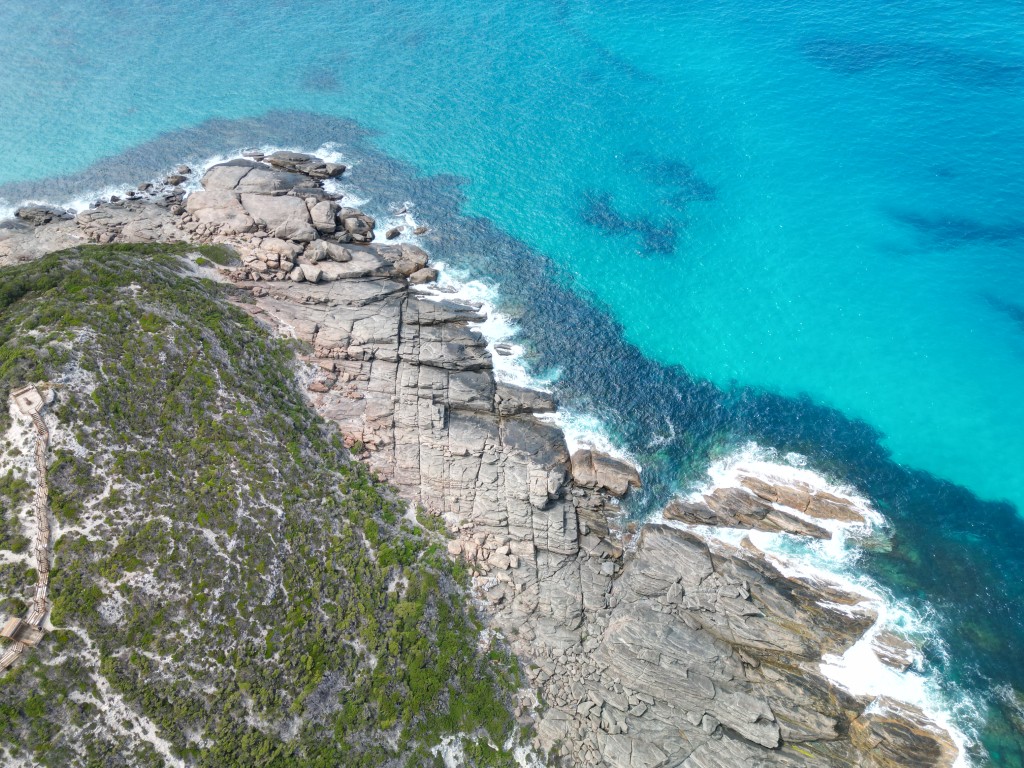
Blue Haven Beach is another popular beach with locals.
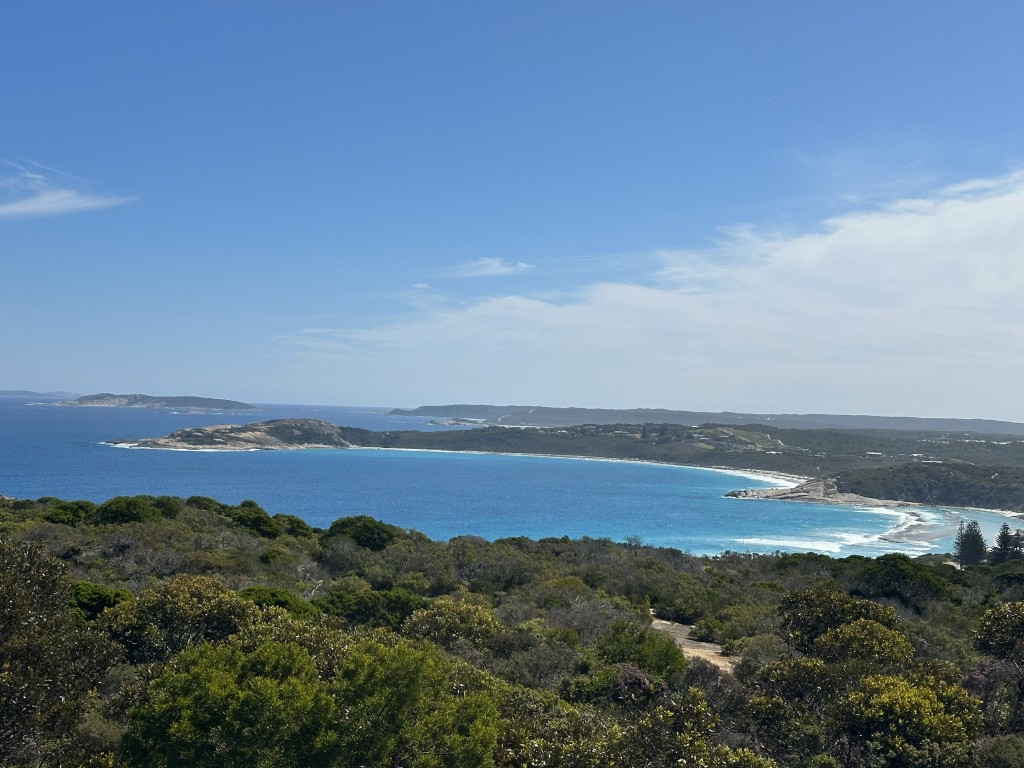
Twilight Beach was our favourite beach. This turquoise water breaks on white sandy beaches. On the far side of the beach is a smooth bald rock popular with sunbathers. A short swim from the beach or the rock takes you to a rocky island formation.
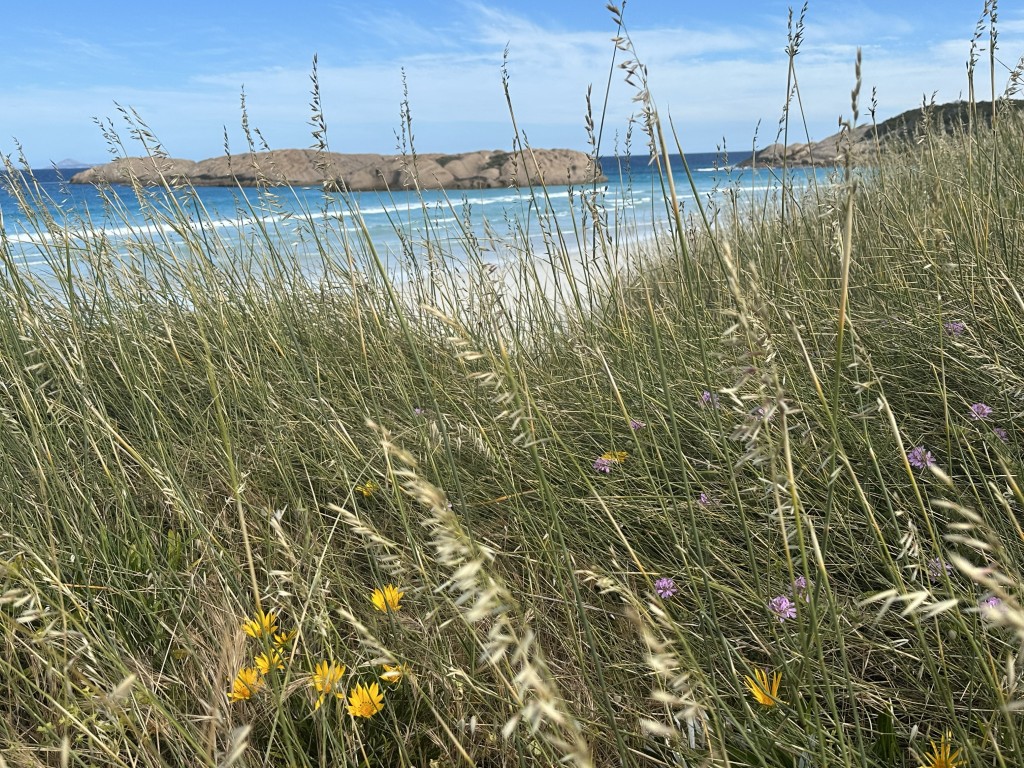
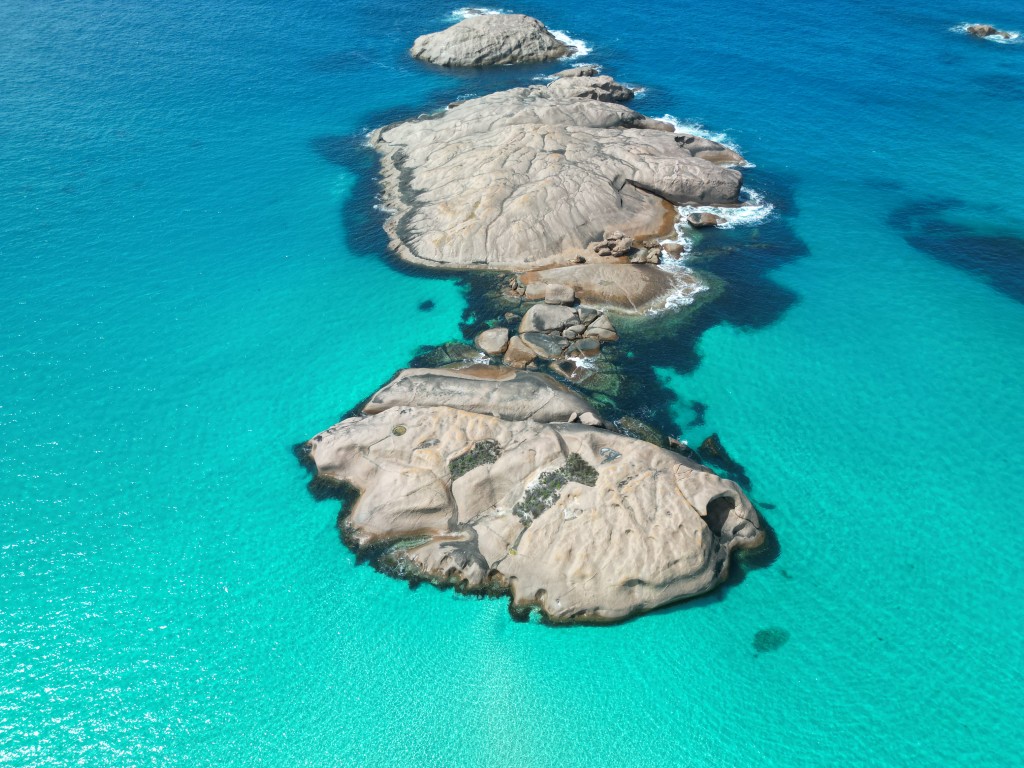
The rocky island has many rock faces to jump from. This was one of the best beaches we have ever seen.
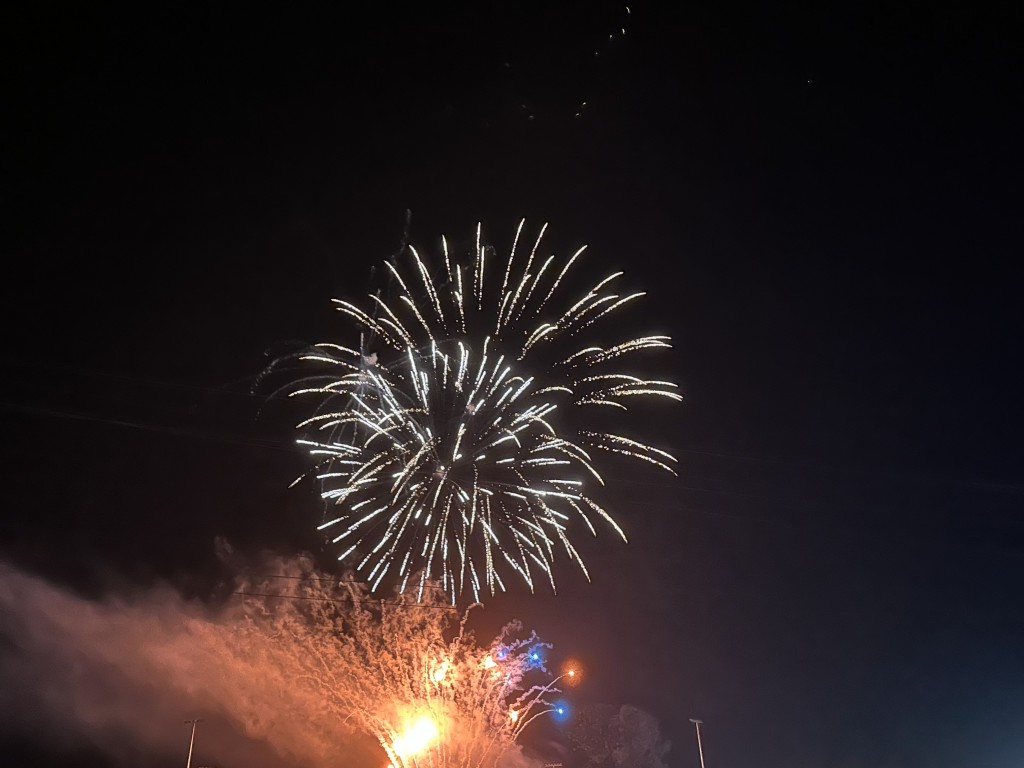
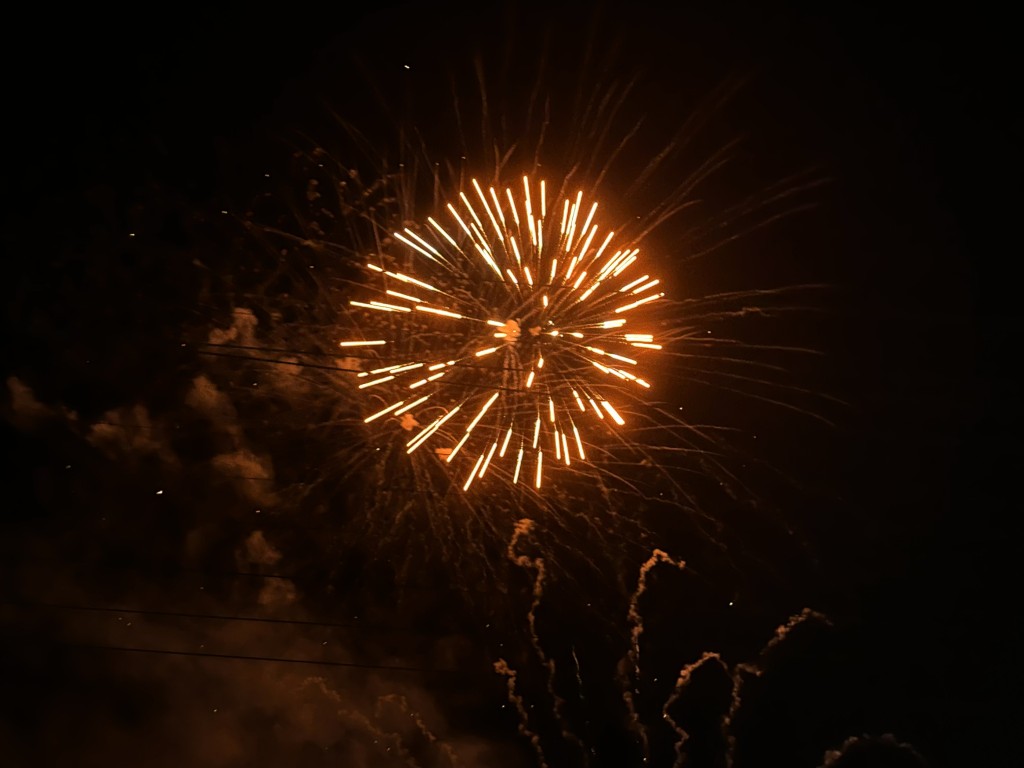
We did not expect Esperance to be an agricultural hub. Many locals provide support and infrastructure for the surrounding farming community. The 2025 Agricultural Show was on during the weekend we were there. Similar to other shows we attended, the highlight for the community was the fireworks toward the end of the show.
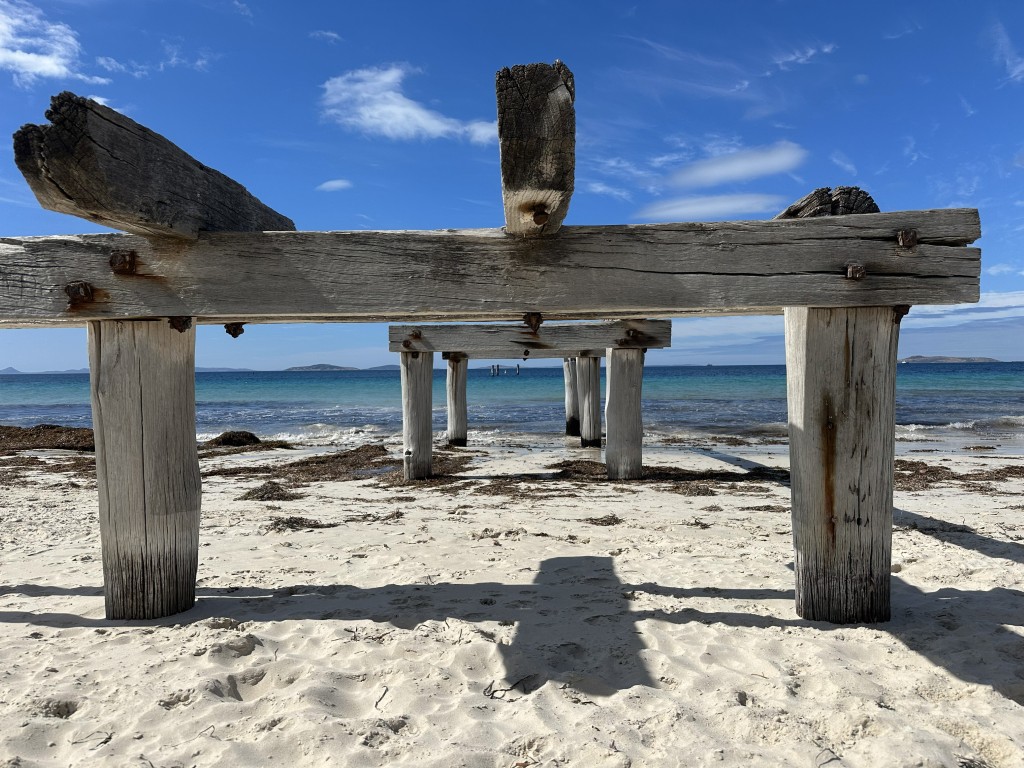
At Castletown Beach is the remanence of an old jetty. This jetty apparently dates back to late 1800s.
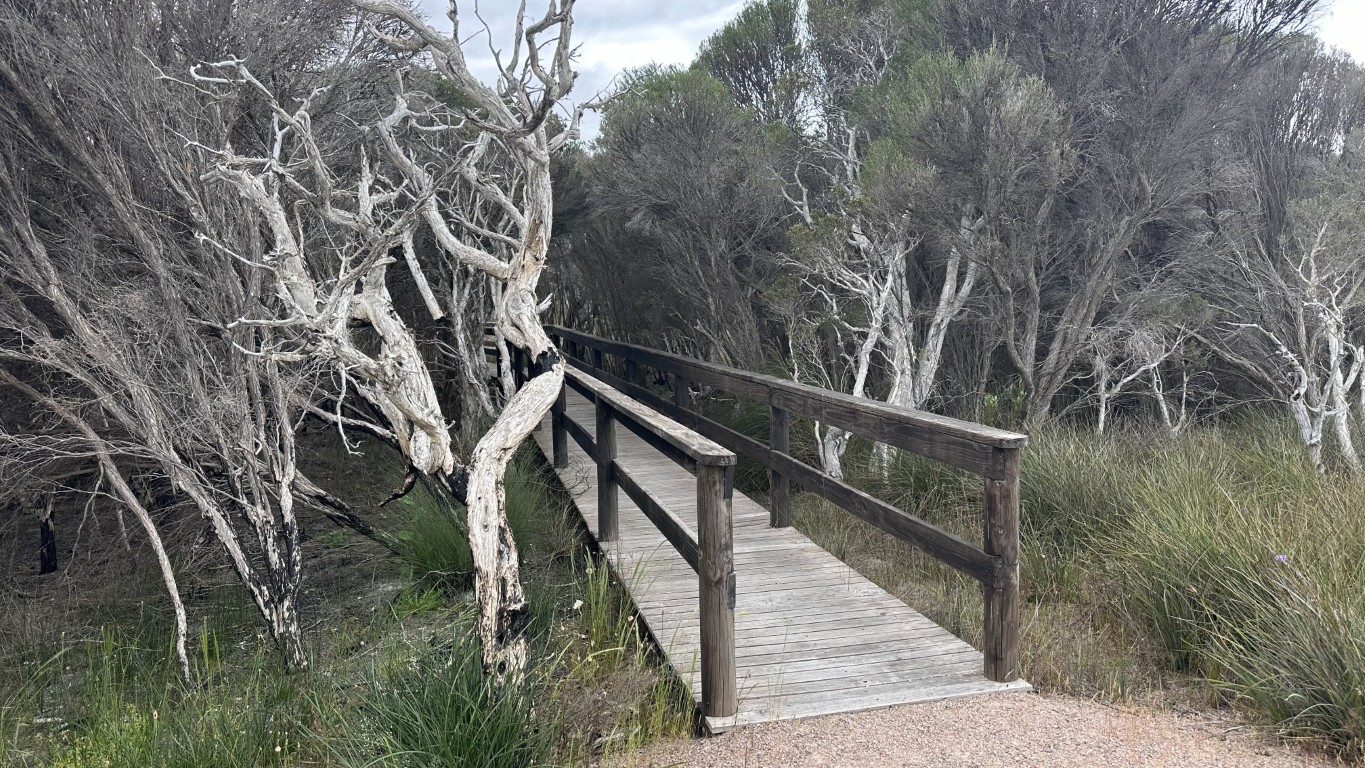
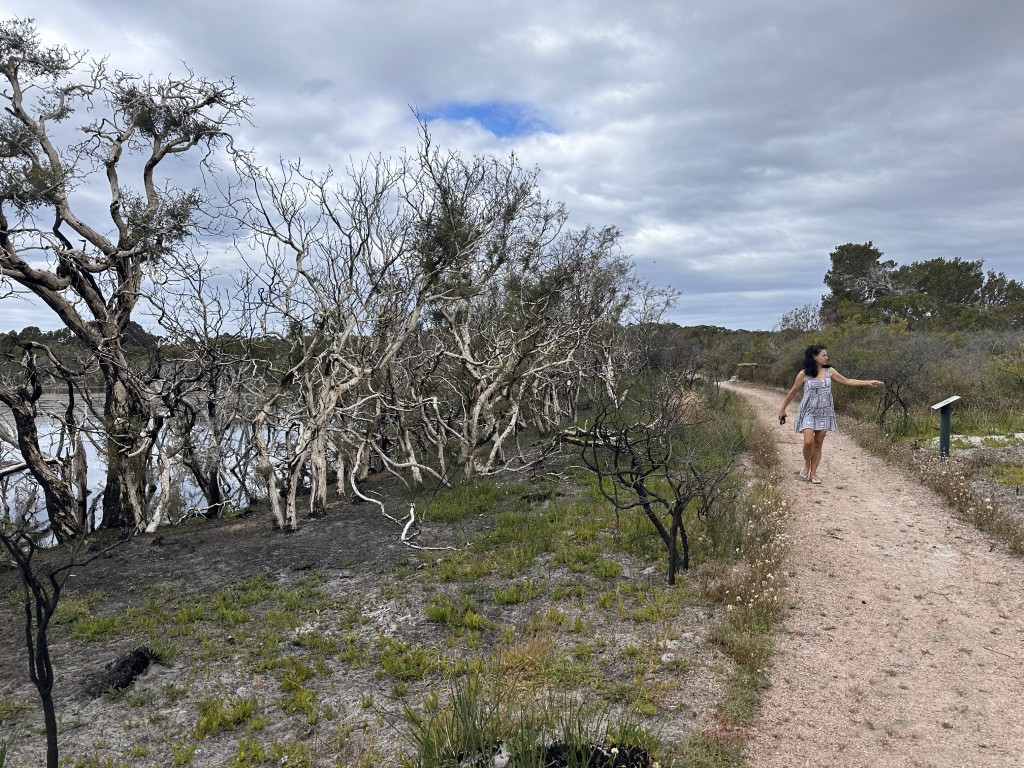
There are a few walking tracks in the Lake Nature Reserve surrounding the Skeleton Swamp. We opted for the Woody Kepwari Walk Trail.
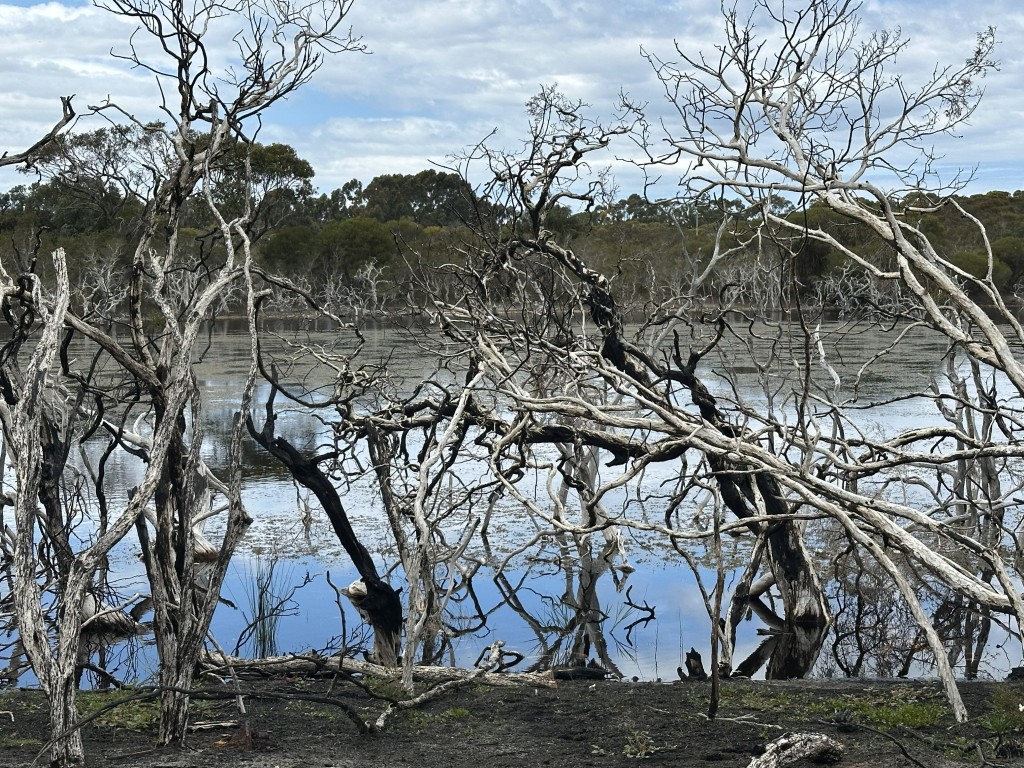
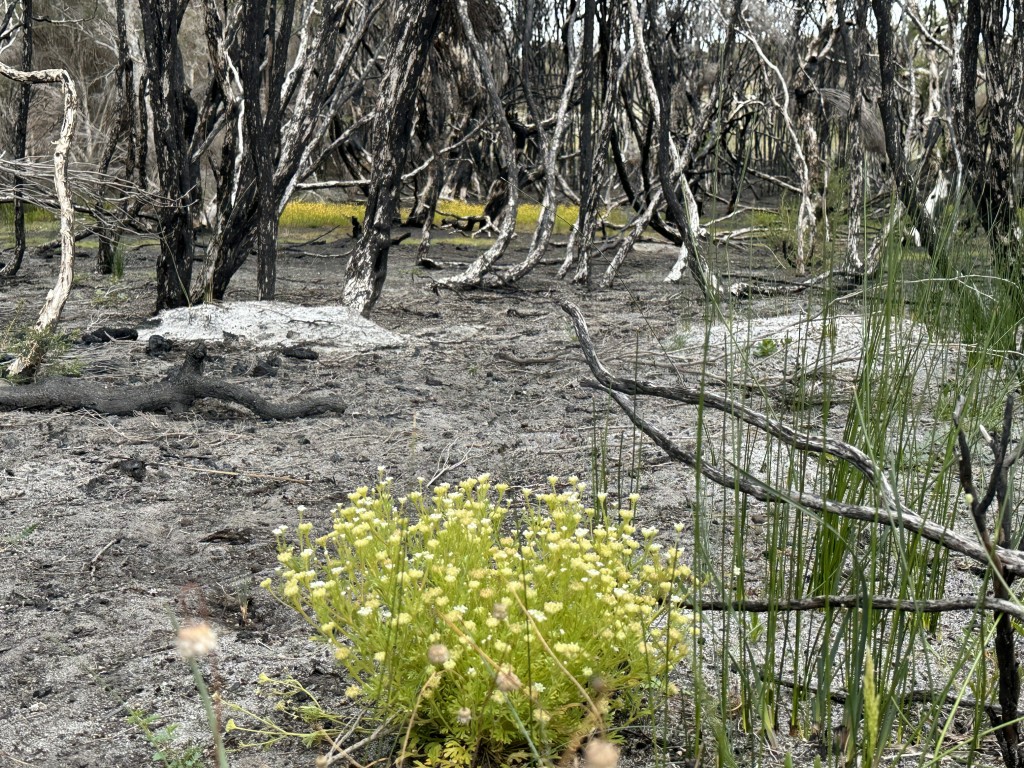
The 7km track was lined with tree skeletons and a few access points to the lake and bird hides.
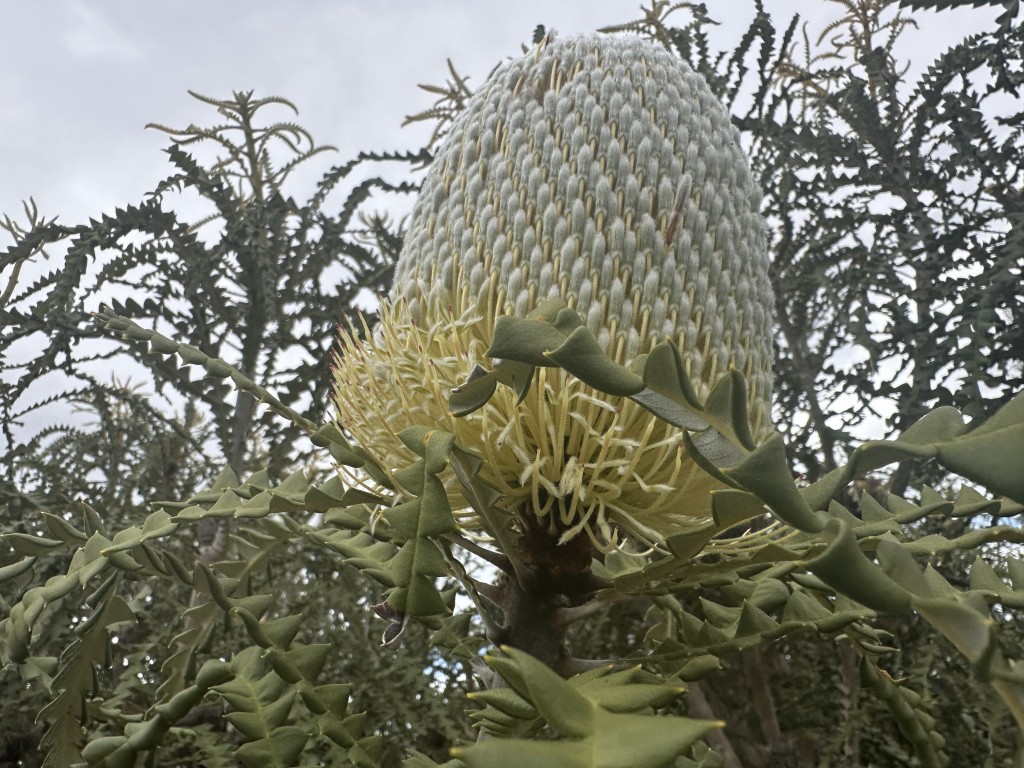
The evergreen Showy Banksias were in bloom and scattered around the lake.
Interpretive signage provided information on local fauna and flora.
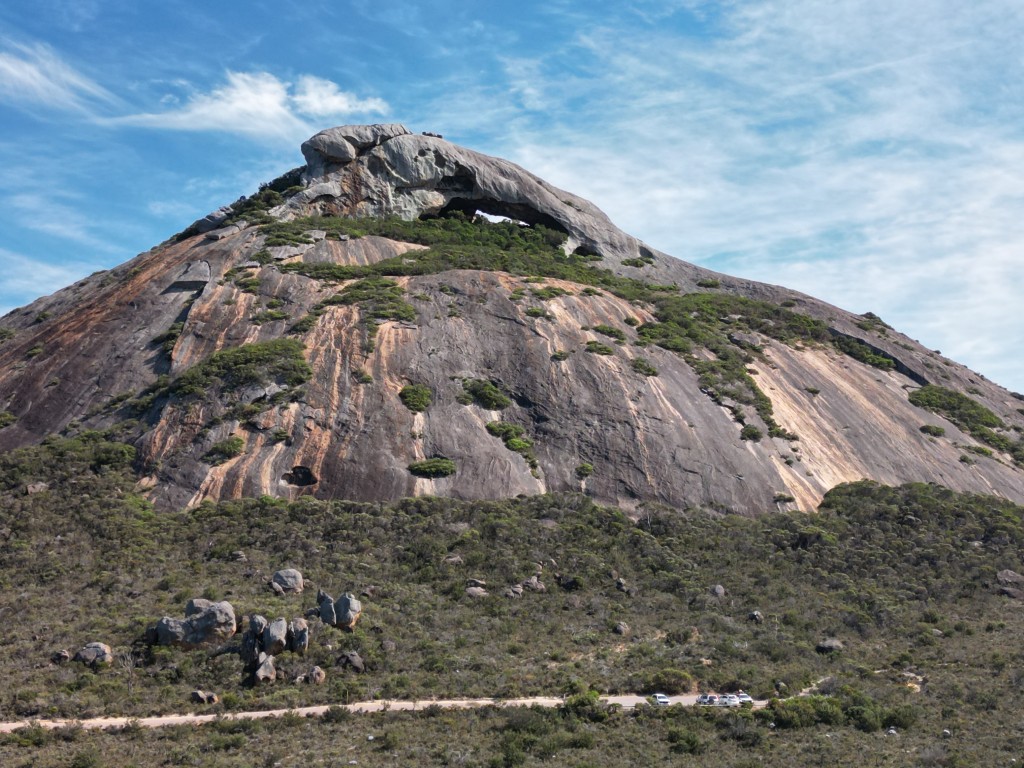
Just east of Esperance is Cape Le Grand National Park. This park is known for Frenchman Peak and some of Australia’s best beaches. Frenchman Peak towers over the park with its distinct granite cap. As you drive around Frenchman Peak, glimpses of sky light shines through the cap.
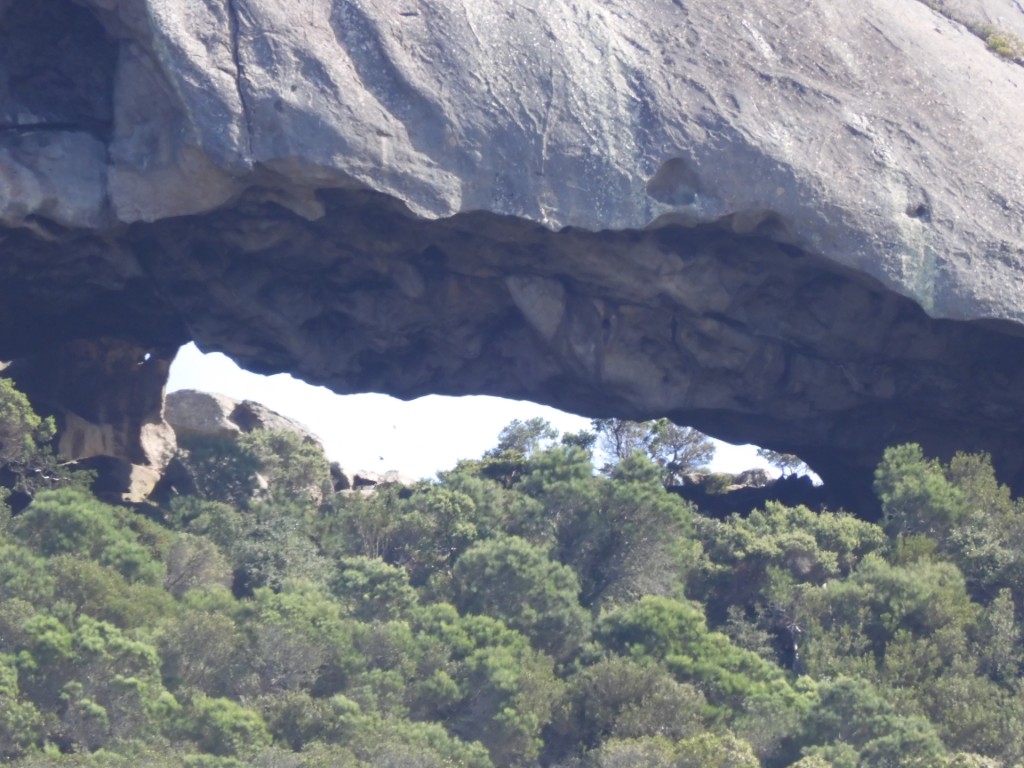
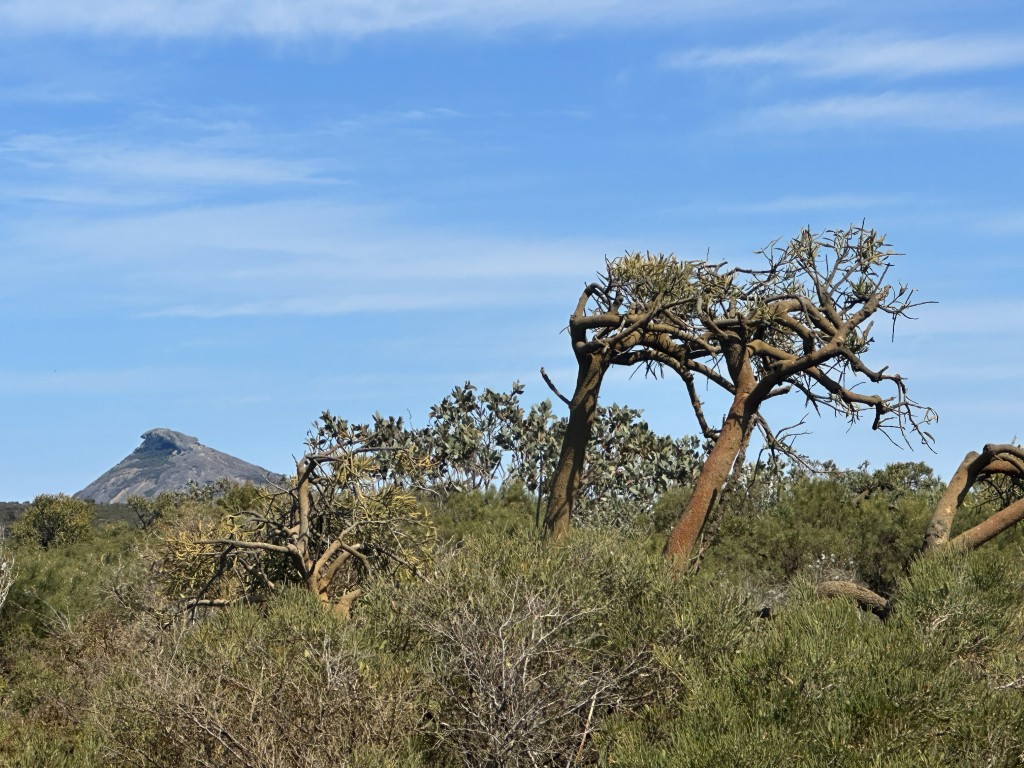
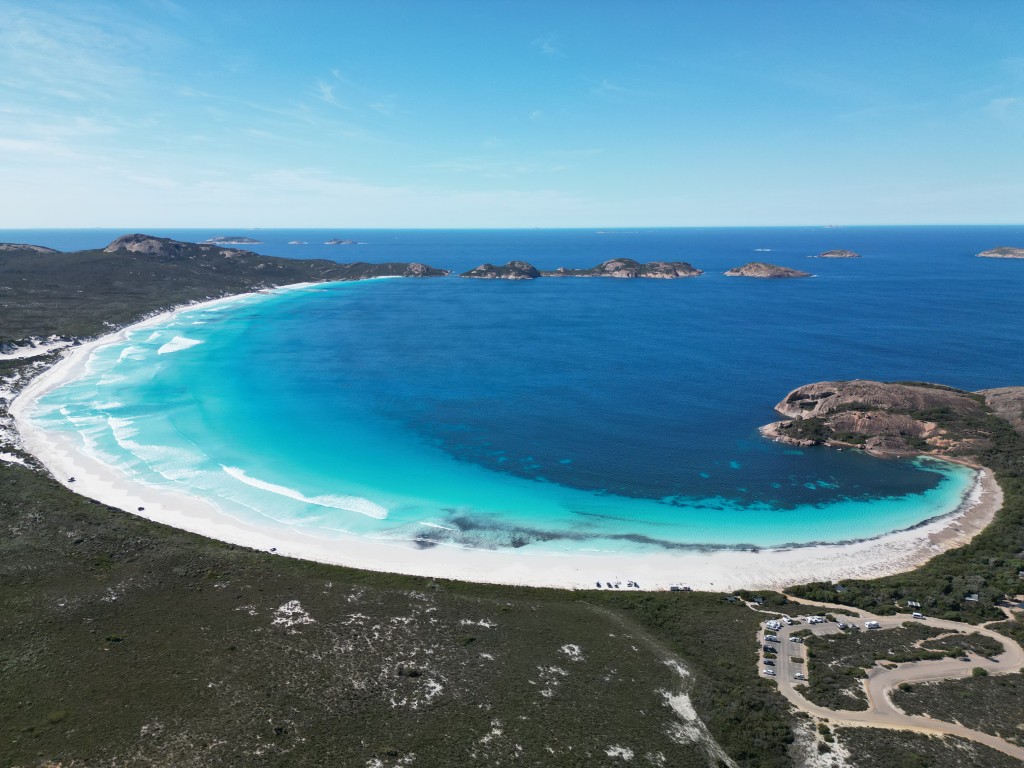
Lucky Bay must be the crown jewel of Cape Le Grand National Park. It is as close to a perfect beach as you can get. White sand, clear water and easy waves. On top of that, you can camp right next to the beach, drive onto the beach and can sometimes see kangaroos on the beach and in the shallow water. It is easy to see why this world renown beach is one of Australia’s top beaches.
Hellfire Bay in Cape Le Grand National Park is another spectacular beach. We walked the length of the beach from the granite crop to the boulders on the other side. There were only a handful of beachgoers on the east side of the beach.
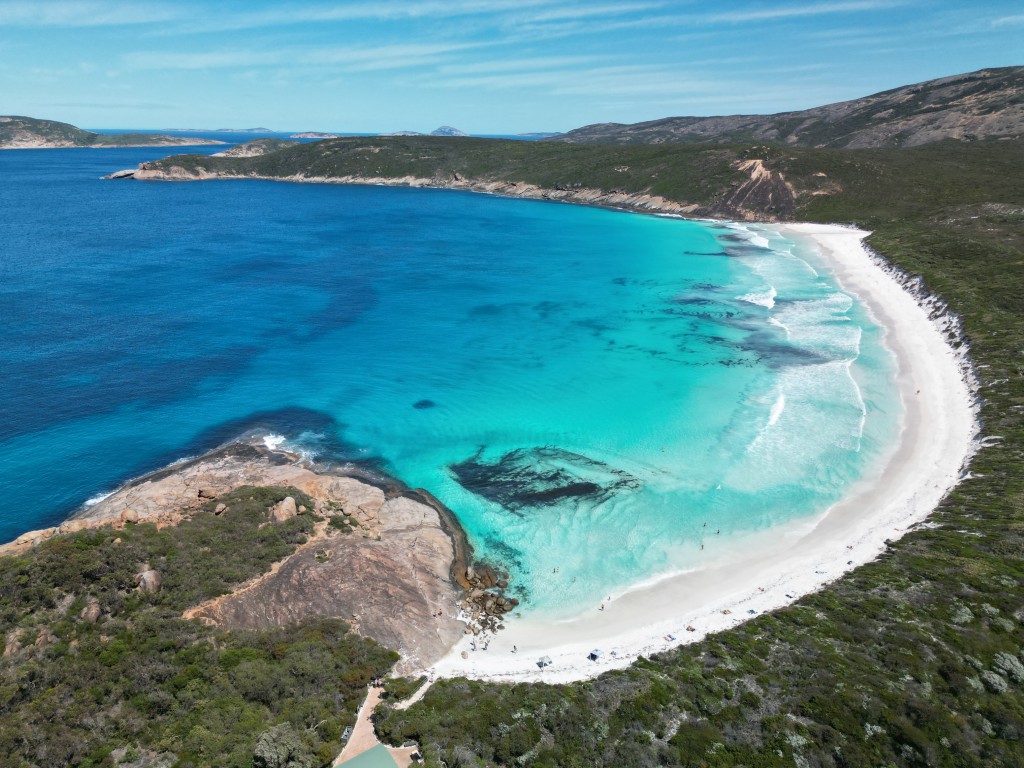
Little Hellfire Bay is tugged in next to Hellfire Bay. It is a bit of a walk to this secluded bay.
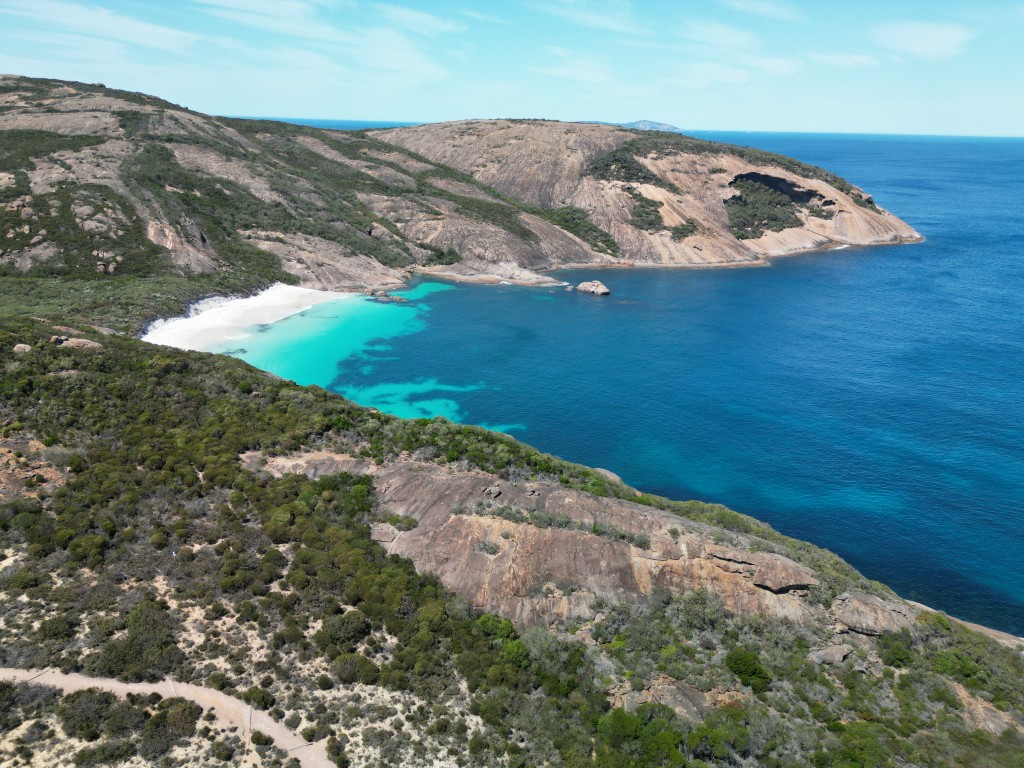
Cape Le Grand Beach is another beach-side camping option in the park. All the campgrounds in the national park are extremely popular.
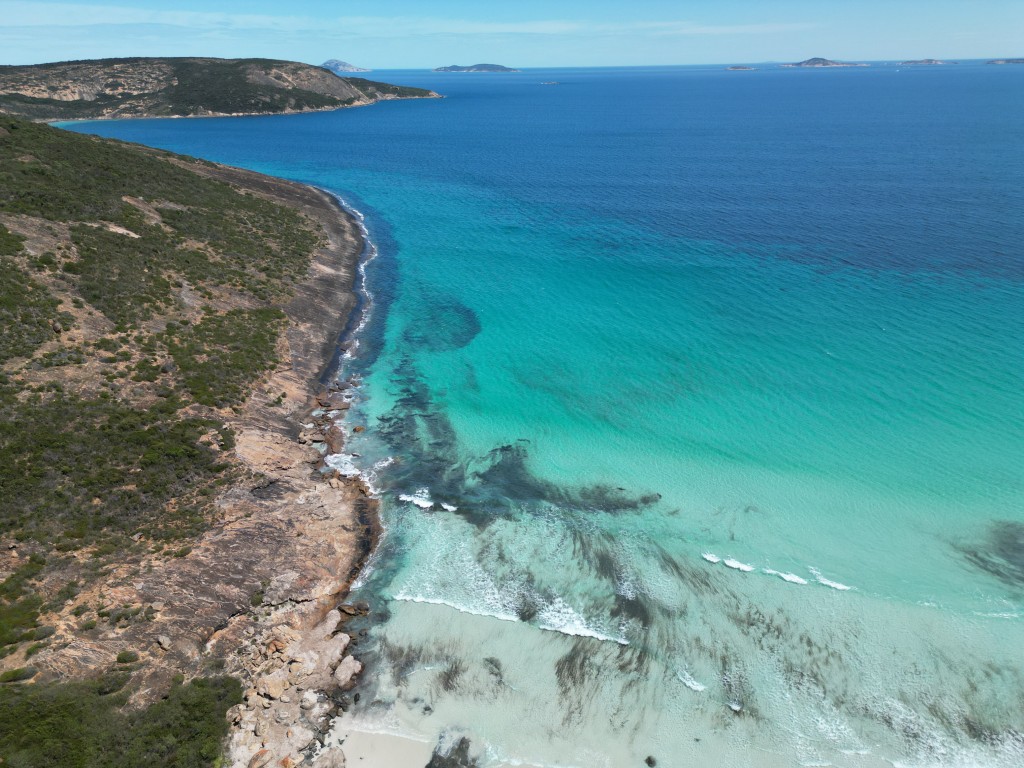
We visited all the beaches in the national park. Some were a bit more remote and required driving corrugated dirt roads. Every road in the park takes you to another awesome vantage point or beach.
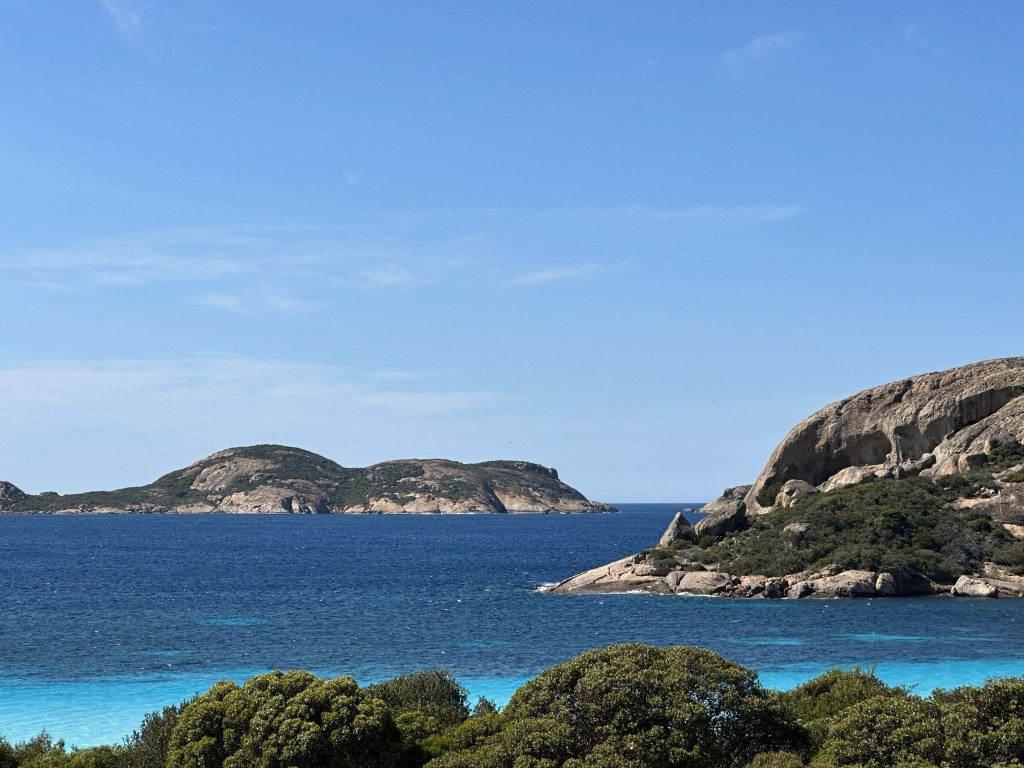
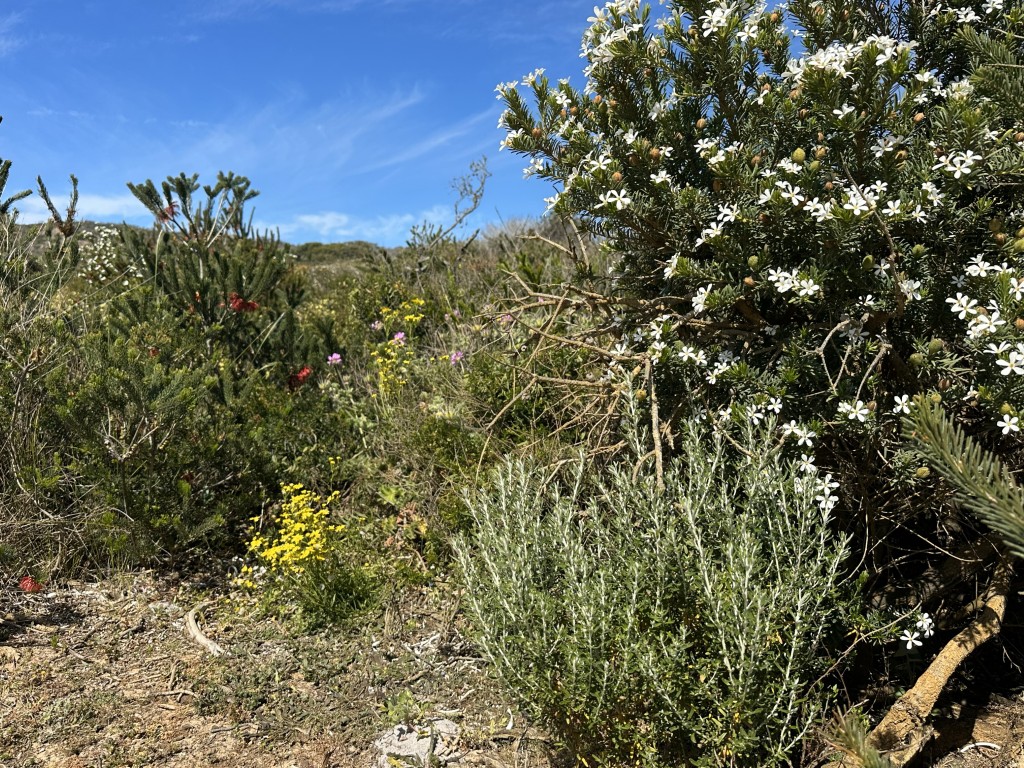
Some wildflowers were still in bloom and we met people that visited the park exclusively for the wild flowers. We have never seen so many reptiles in one place. We saw various types of lizards and even a few snakes.
Still in Cape Le Grand National Park, our next stop was Thistle Cove.
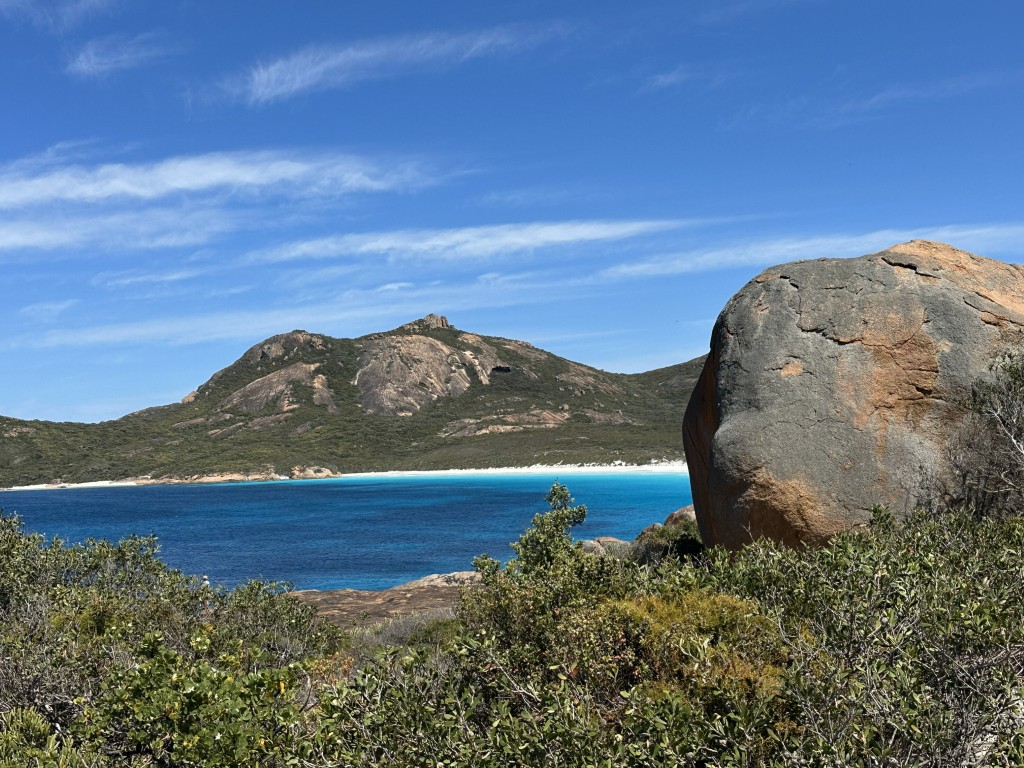
Looking back, the turquois water, white beaches and rocky outcrops is what we will remember of Cape Le Grand National Park.
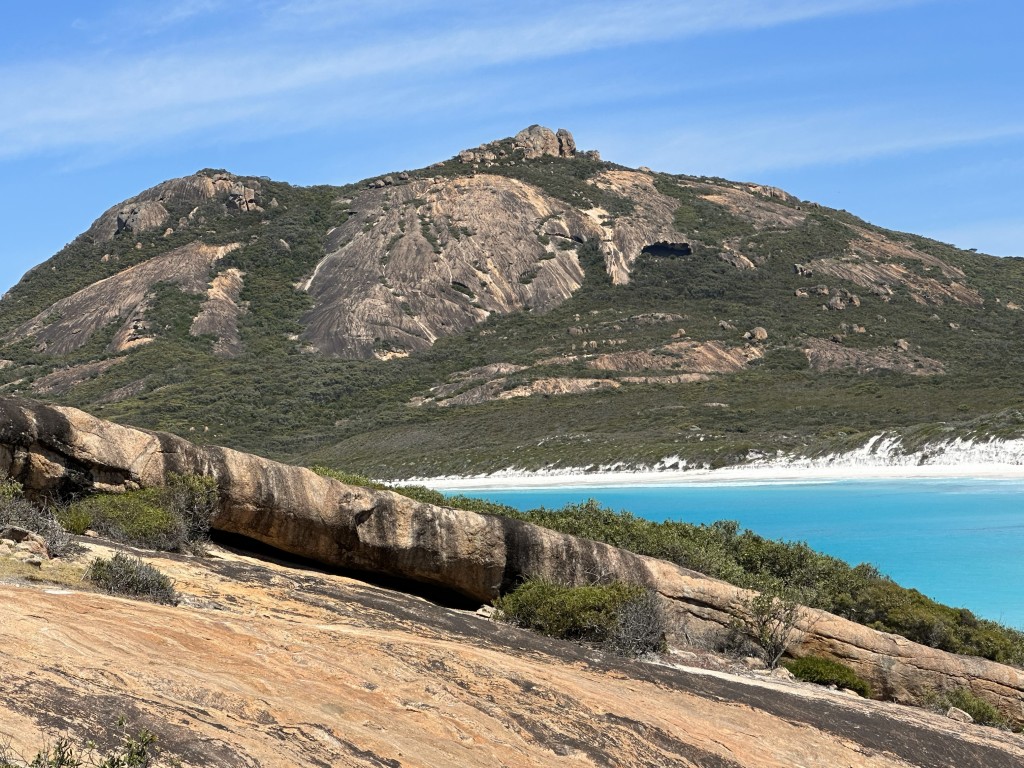
There were a few interesting rock formations and walks at Thistle Cove.
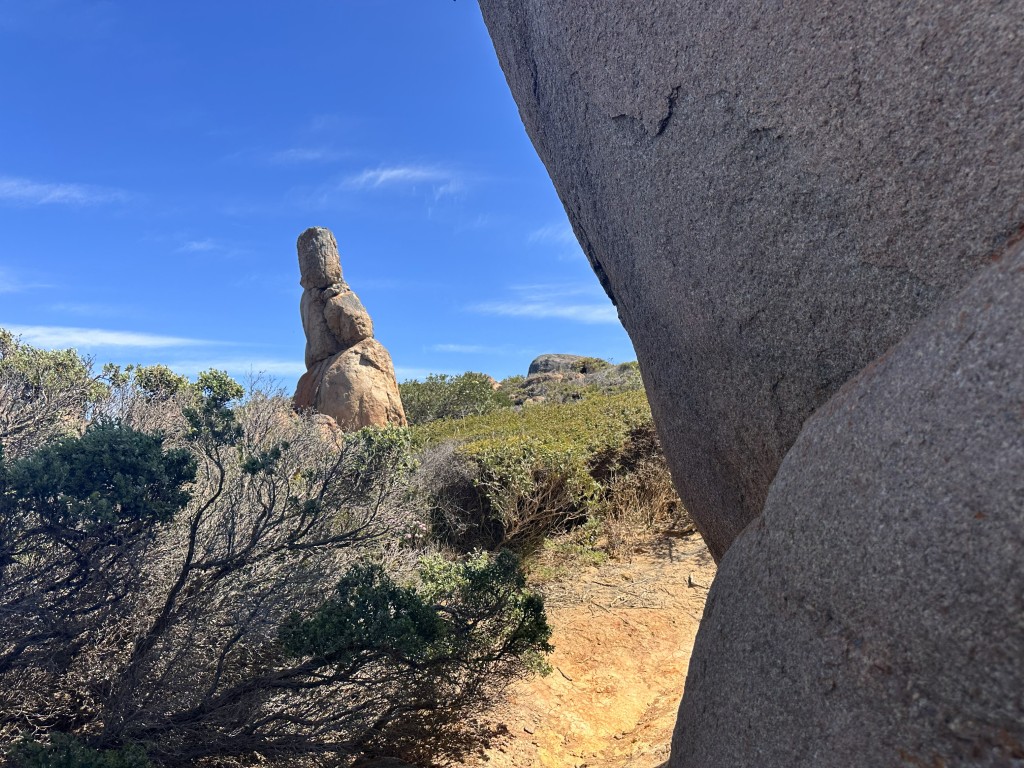
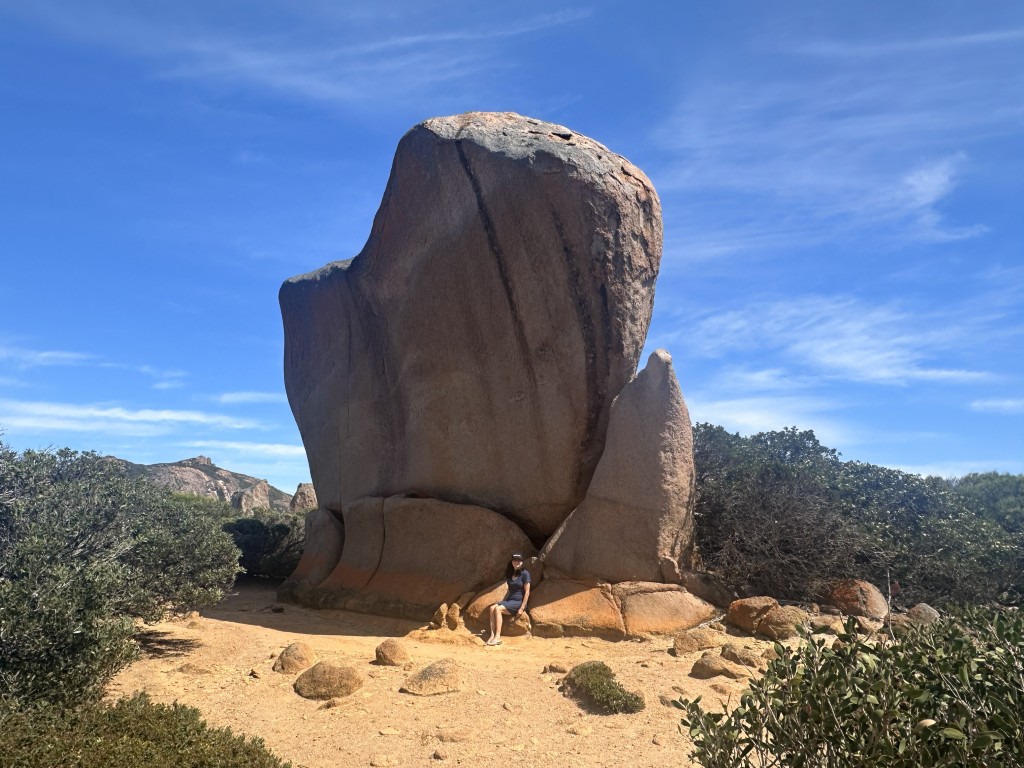
That concluded our visit to Esperance and Cape Le Grand National Park. This has become one of our favourite destinations travelling Australia. We decided to stay on the south coast and slowly work our way west, in the direction of Perth.
Our next stop was Quagi Beach, managed by Esperance Council. A dirt road takes you to the campsites on the beach. The campsites were separated by thick scrub making it very private. It felt as if you could touch the Honey Eaters, Rainbow Bee Eaters, Silvereyes and other birds in the shrubs in-between the campsites. From the campsite is a staircase to the beach and the orange lichen rocks.
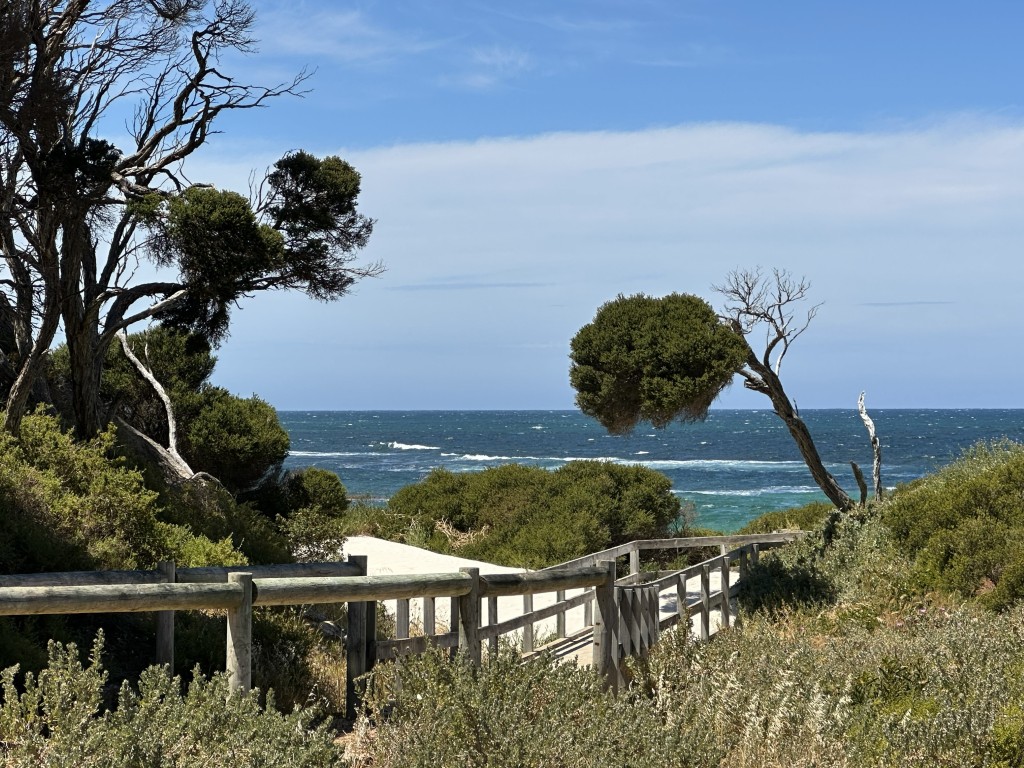
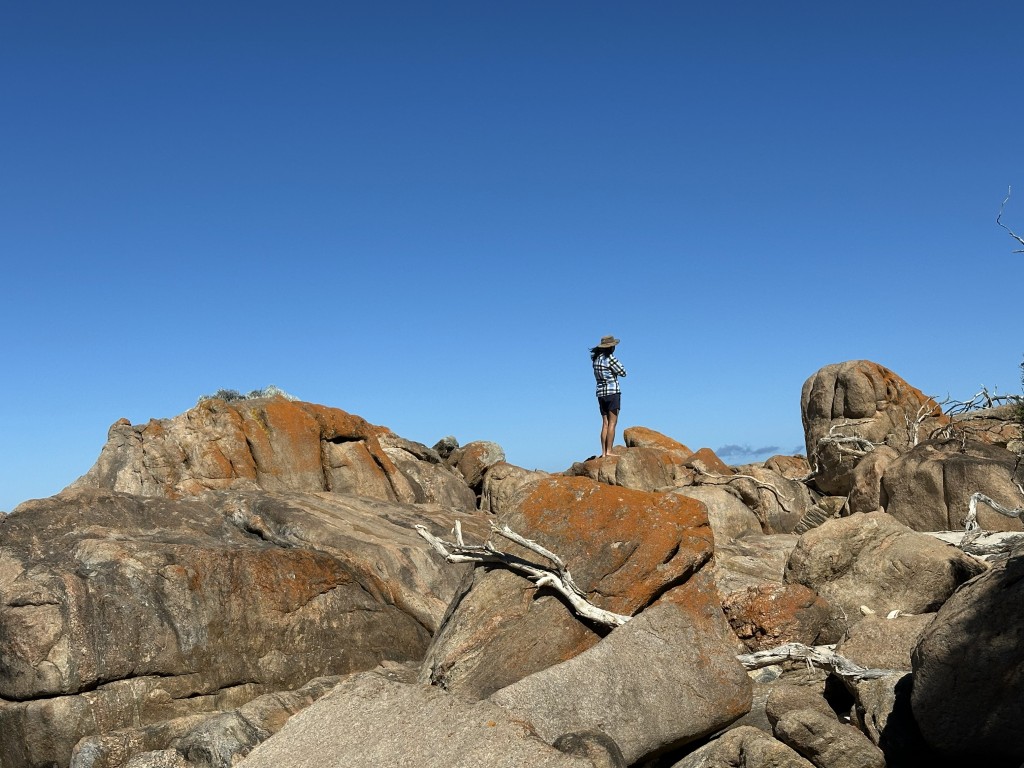
From Quagi Beach we headed west to Hopetoun, where the council offers short-term free camping next to the beach.
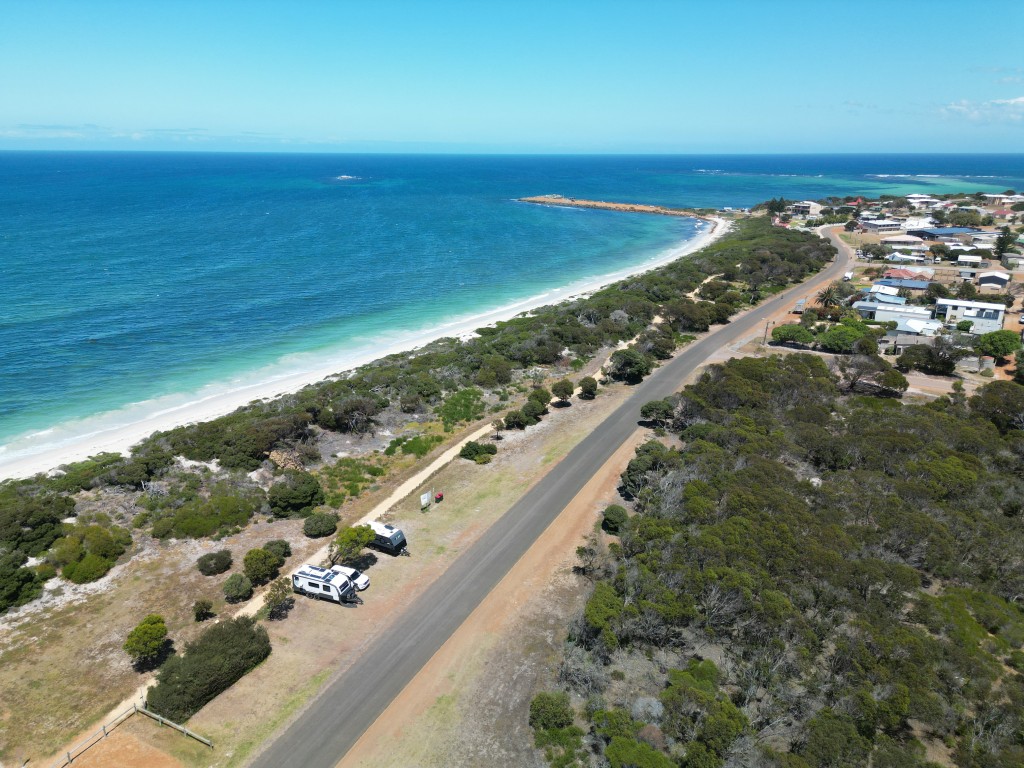
We used Hopetoun as a base to explore Fitzgerald River National Park. On the way to the park, we stopped at the Culham Inlet Bird Hide.
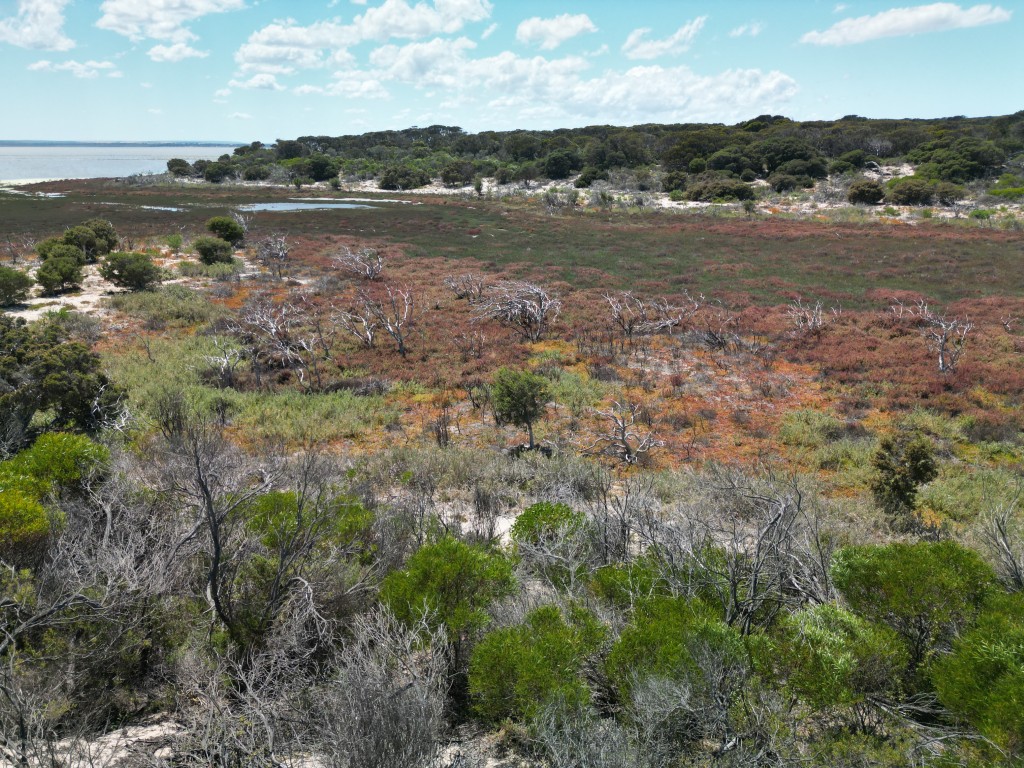
It was obviously not an ideal bird watching day 🙂
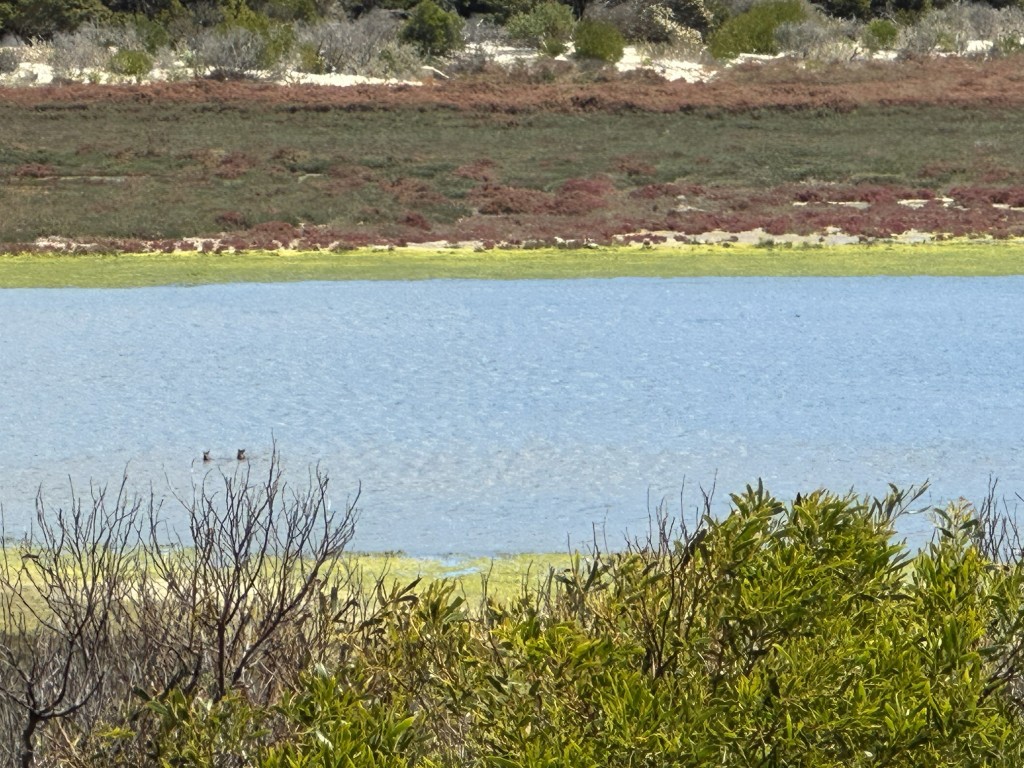
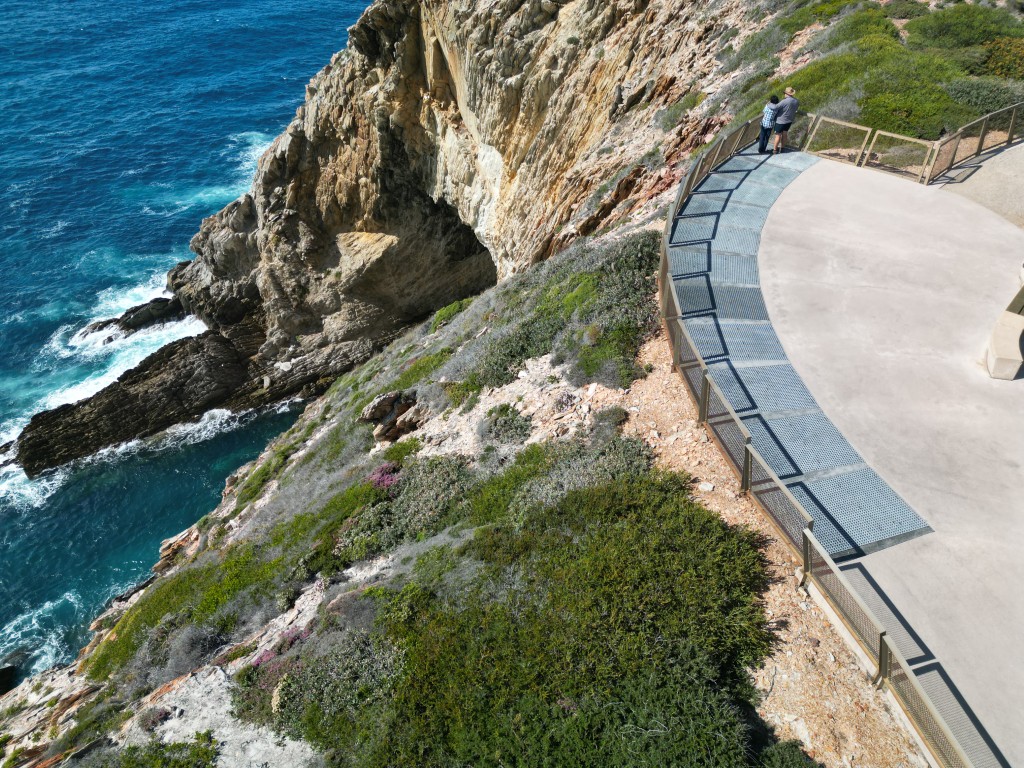
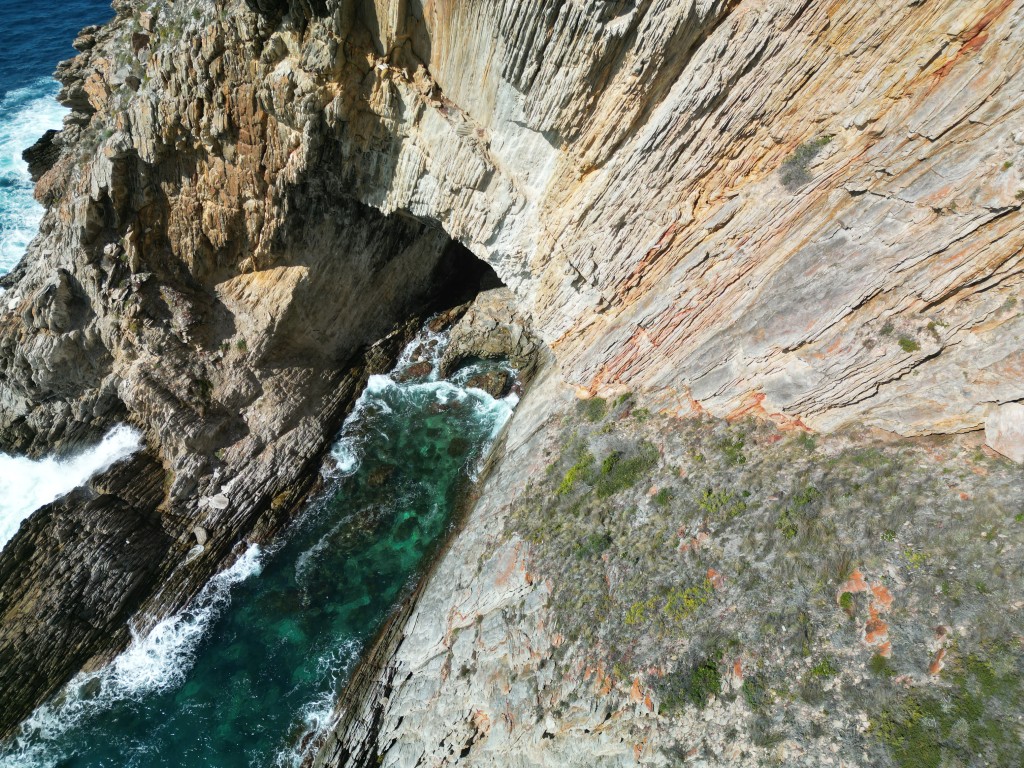
We started our visit to the park with a quick stop at Cave Point. The lookout provides a great vantage point over the cave below.
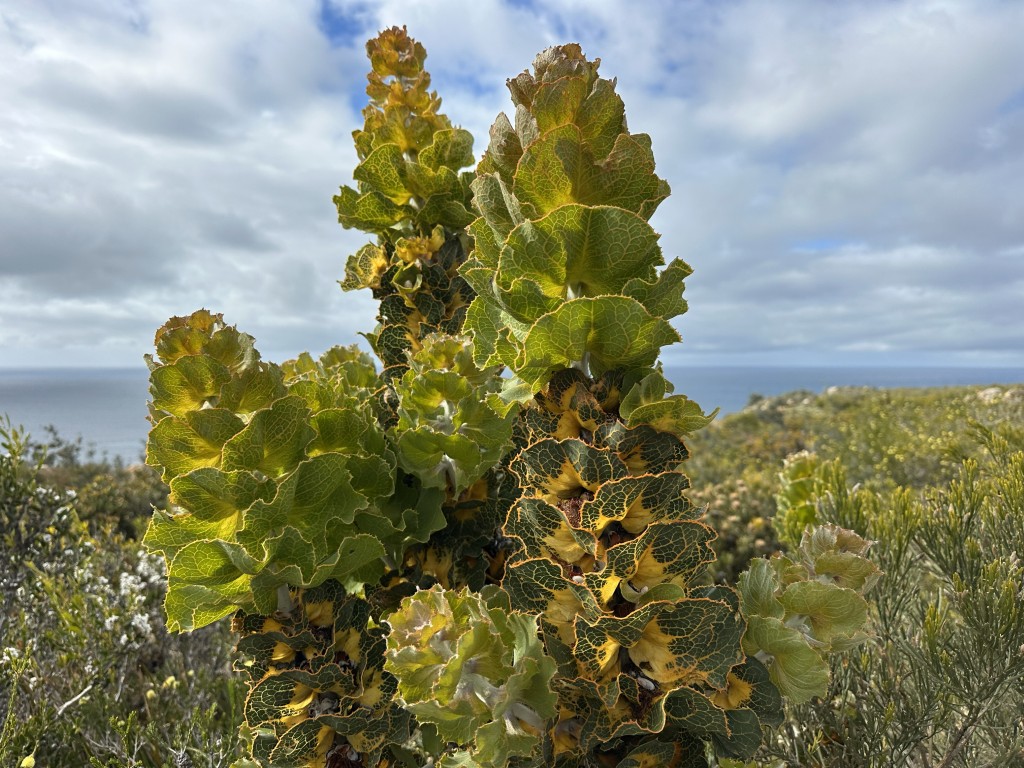
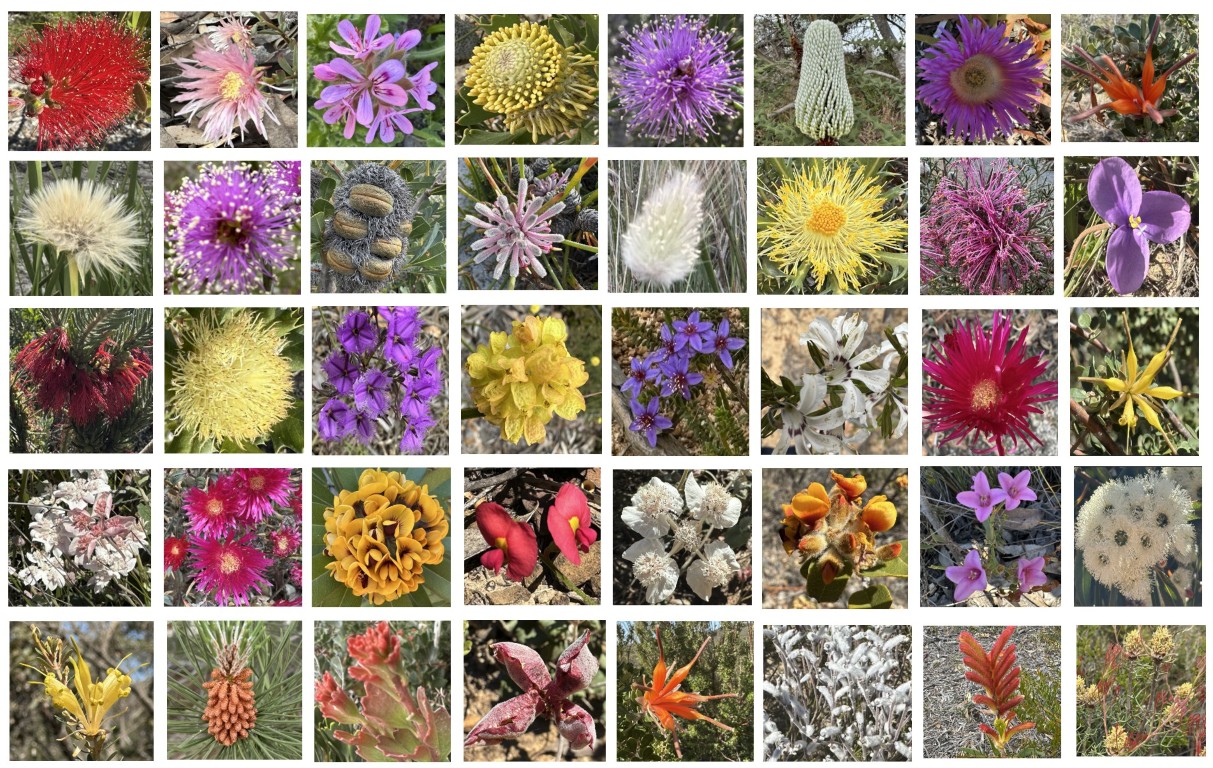
Fitzgerald River National Park is best know for its variety of flora. The park is a UNESCO Biosphere Reserve primarily because of the botanic diversity. The park boasts with approximately 1800 different plant species of which 75 are only found in this region. This was our first introduction to the Royal Hakea with the most incredible leave patterns.
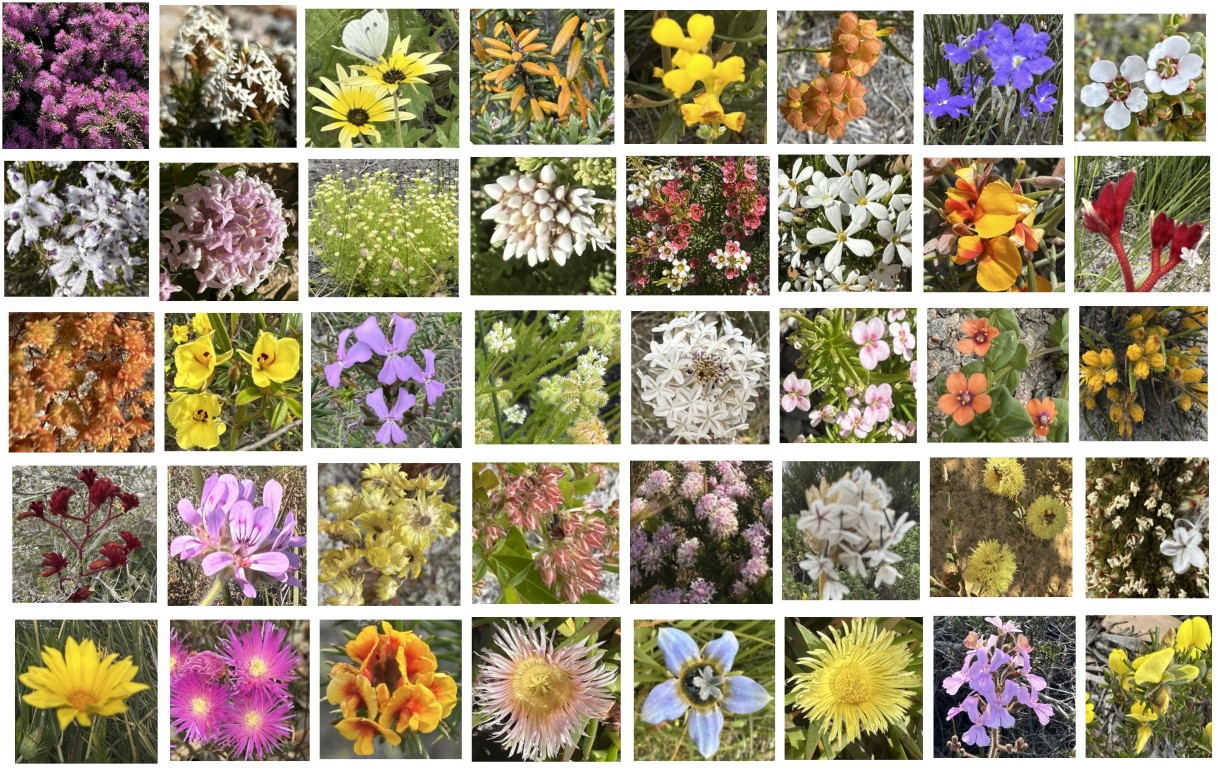
With the late rain, we were spoiled with an extended wildflower season. It was the largest variety of wildflowers we have ever seen in a single day.
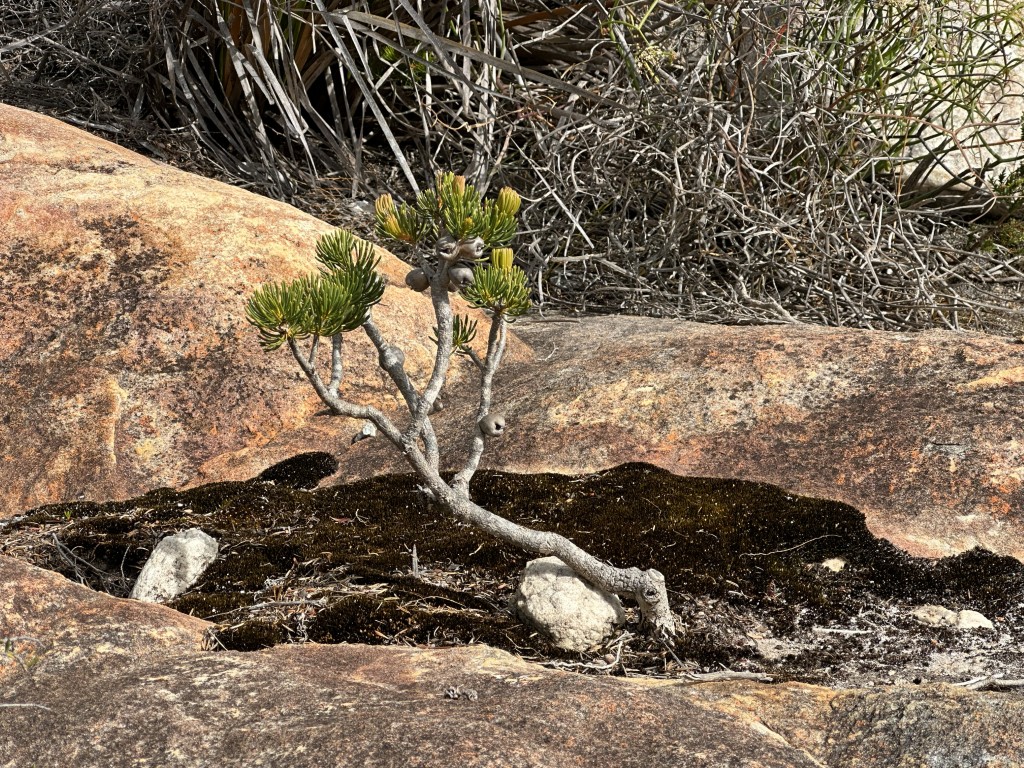
Even the rock formations and natural bonsai in the Fitzgerald River National Park was something else.
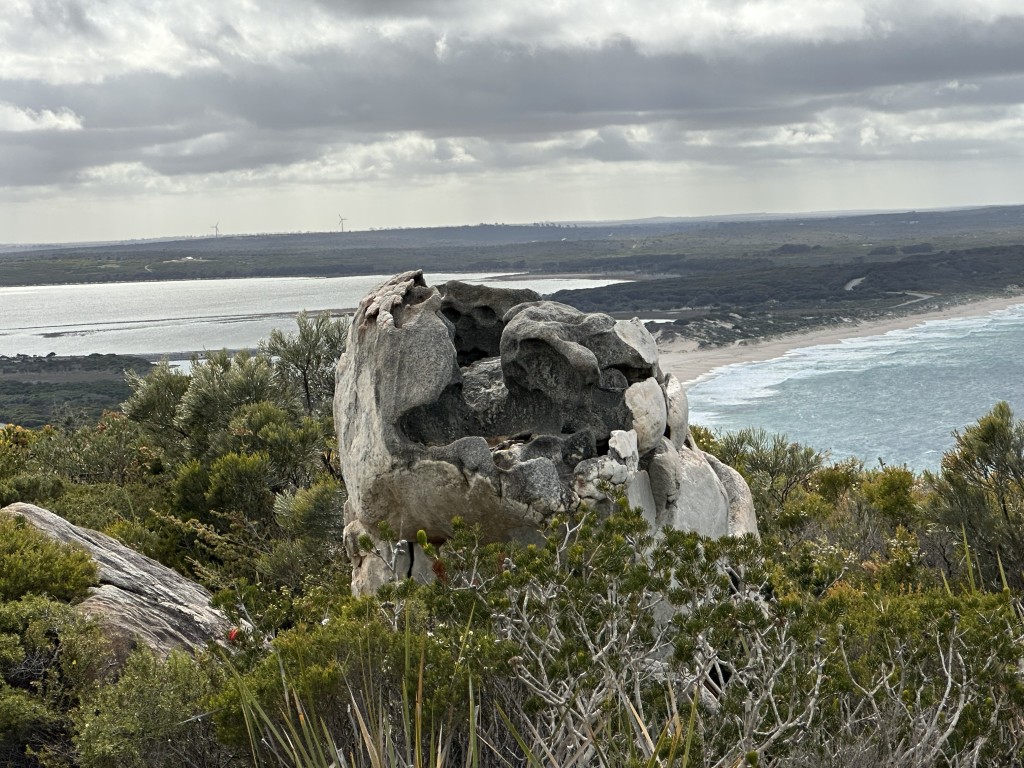
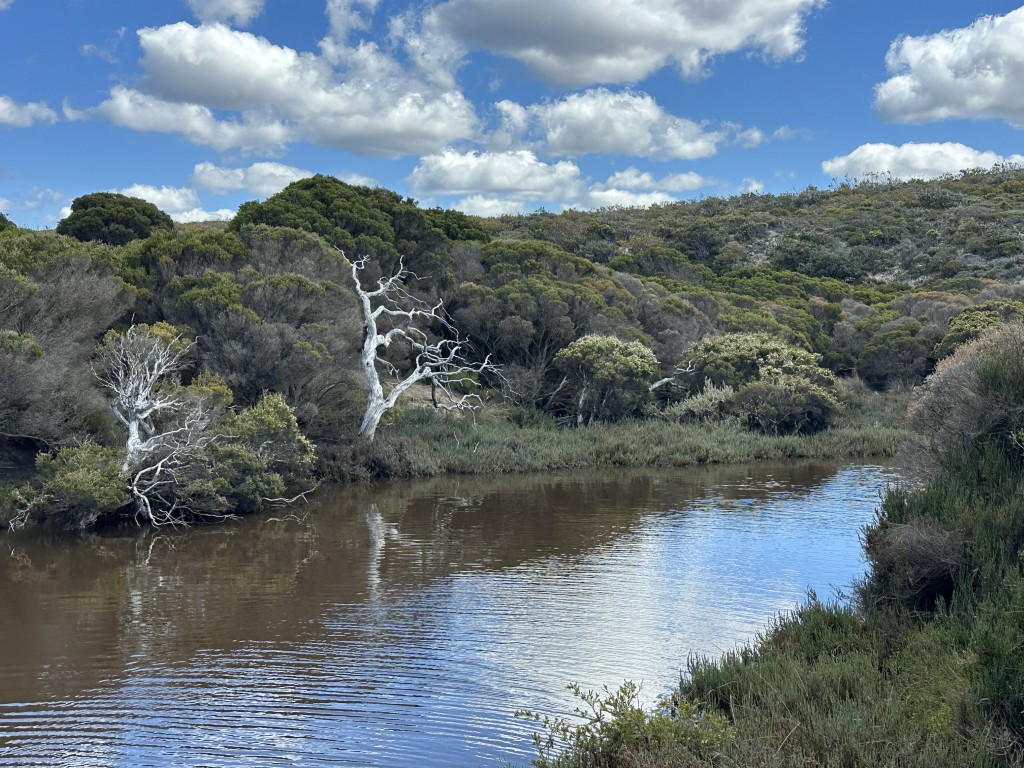
Our last stop before leaving Fitzgerald River National Park, was East Mileys Beach. From the carpark, a boardwalk provides access across the inlet to beach.
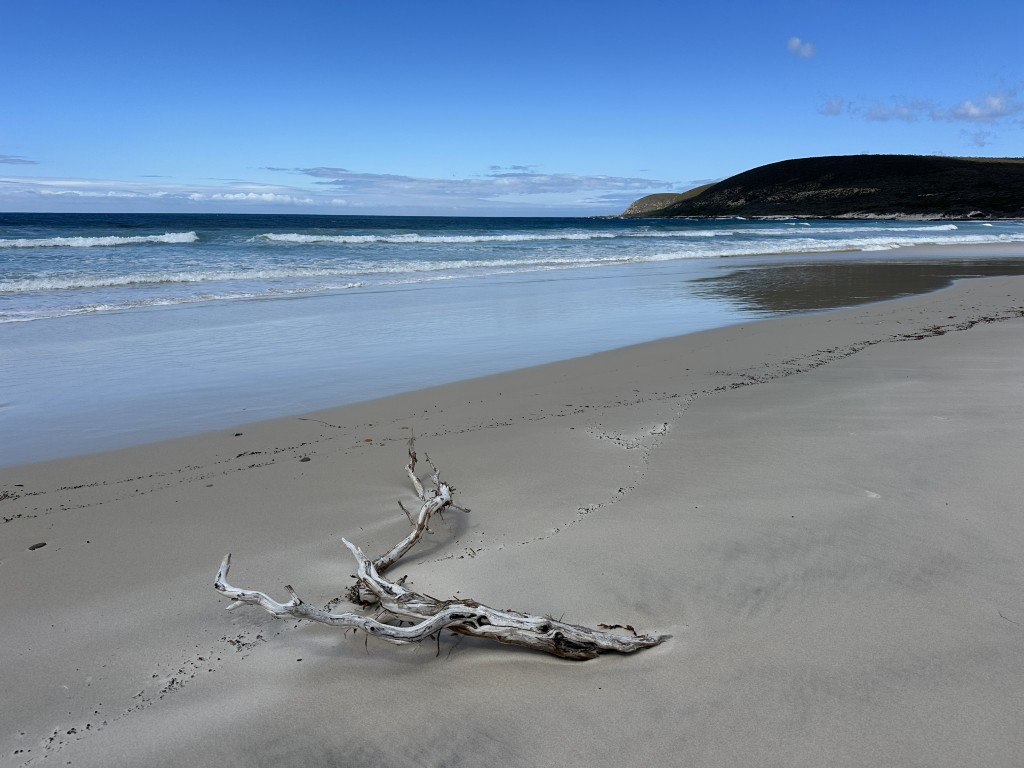
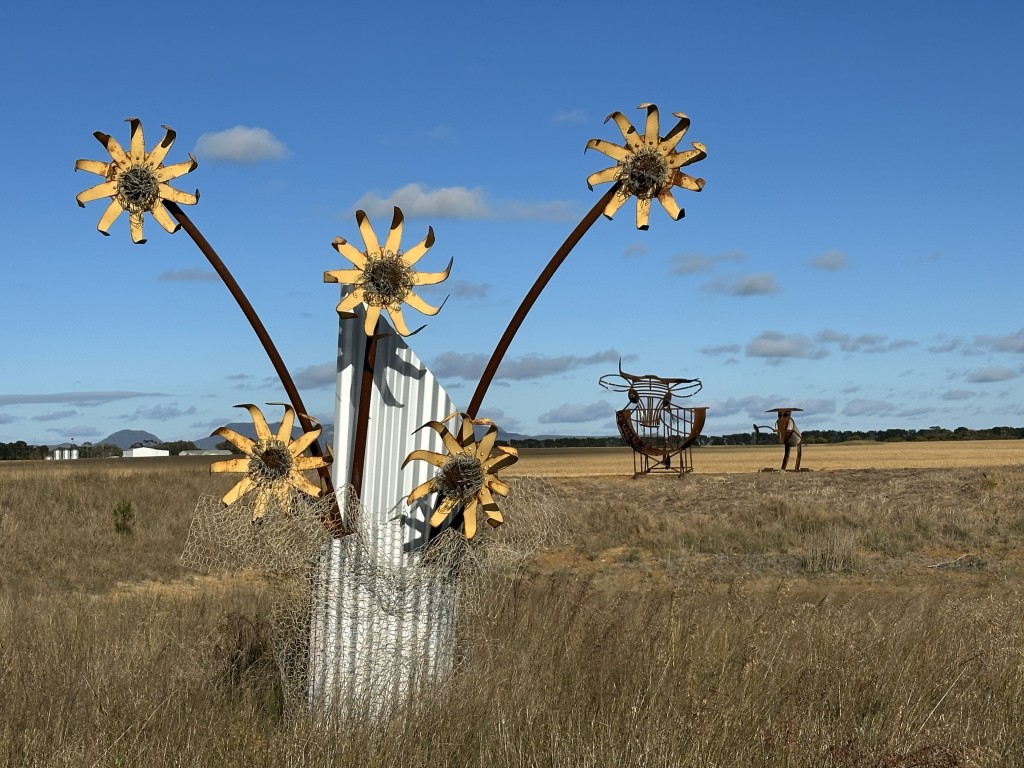
On the way back to Hopetoun we had time to stop at a few art installations on the Farm Gate Art Trail. The trail consists 32 locations were farmers repurposed scrap metal to create sculptures. The Bull and Flower was our first stop.
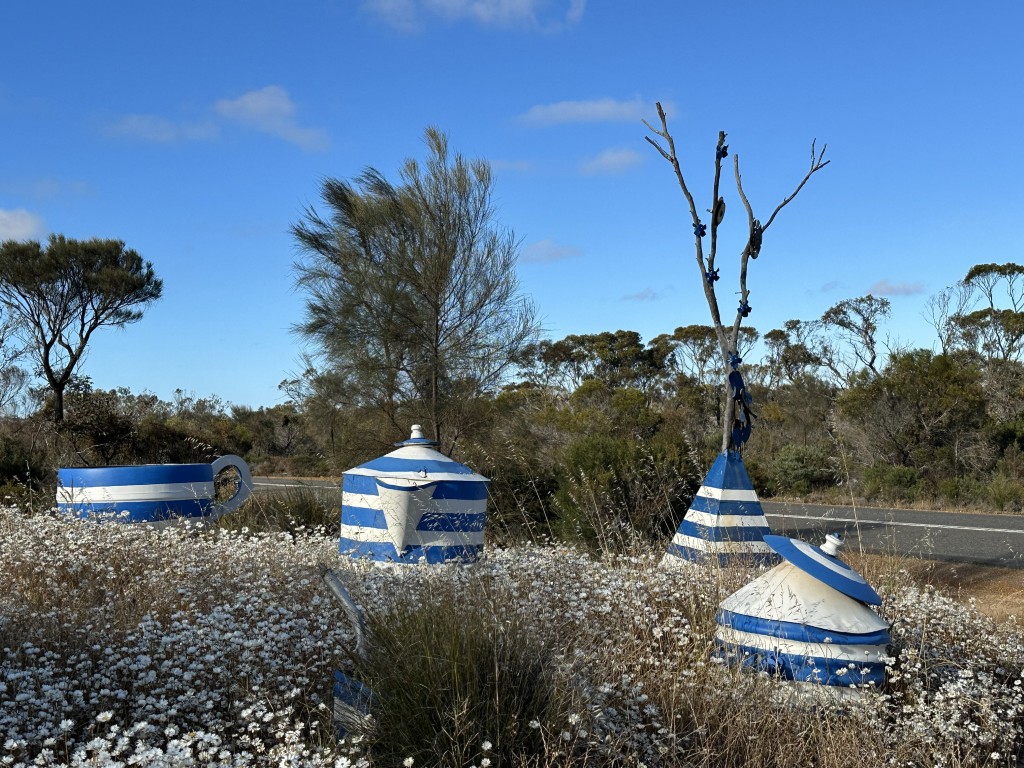
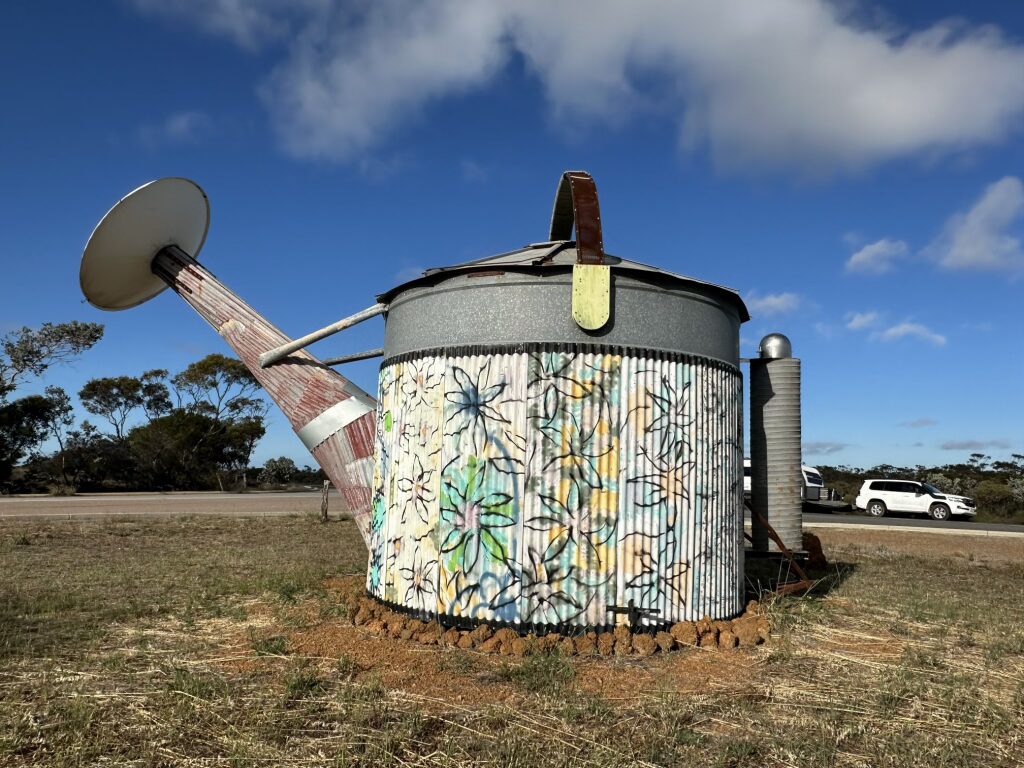
We also passed the Country High Tea and the Watering Can art work.
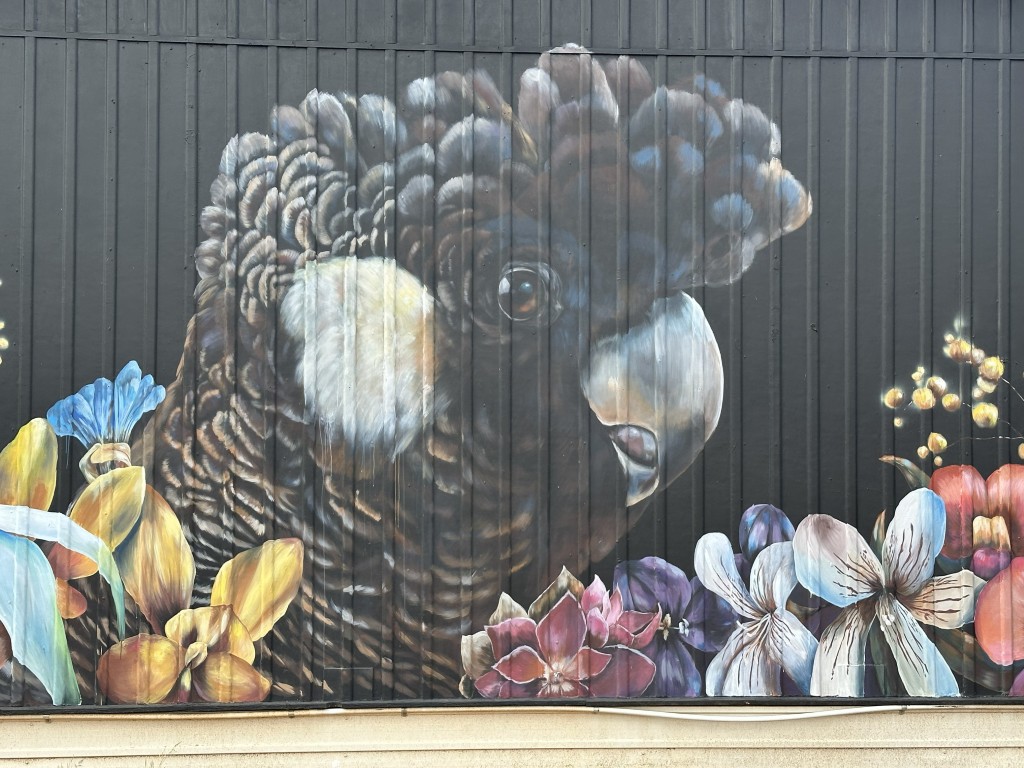
From Hopetoun we went slightly inland to explore the Stirling Ranges. We stopped at Ravensthorpe to fuel up and replenish our water. We passed this massive Black Cockatoo mural on the Fitz Art Gallery.
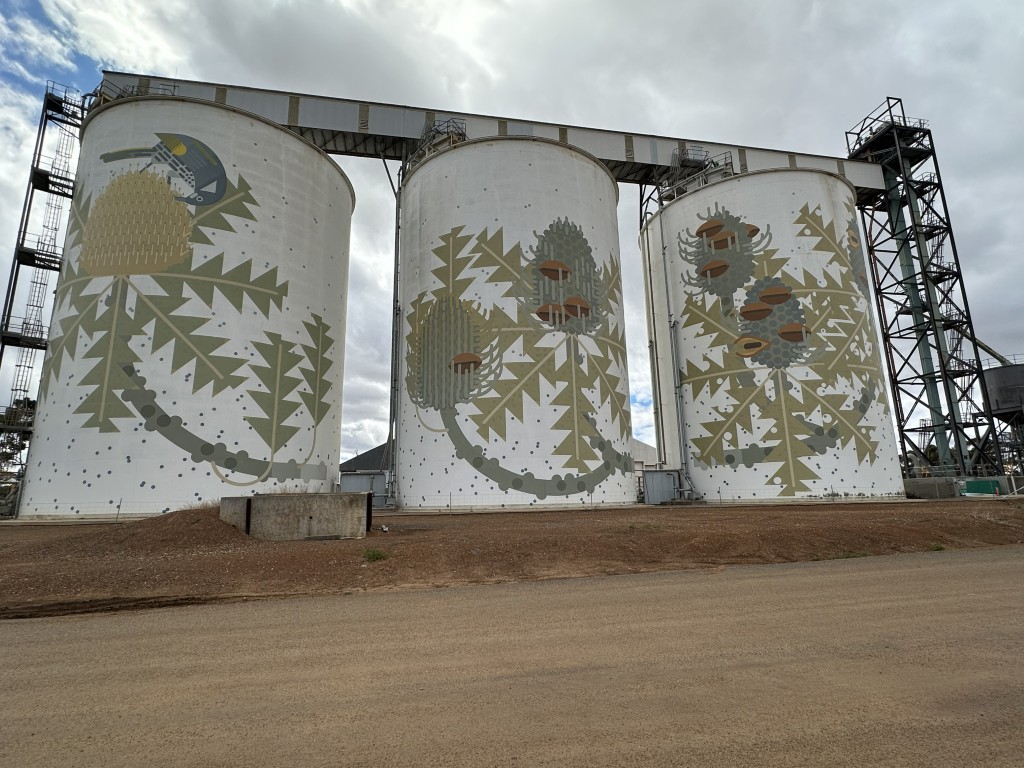
As we left Ravensthorpe, we passed the Six Stages of Banksia Baxteri, portrayed on both sides of the silos.
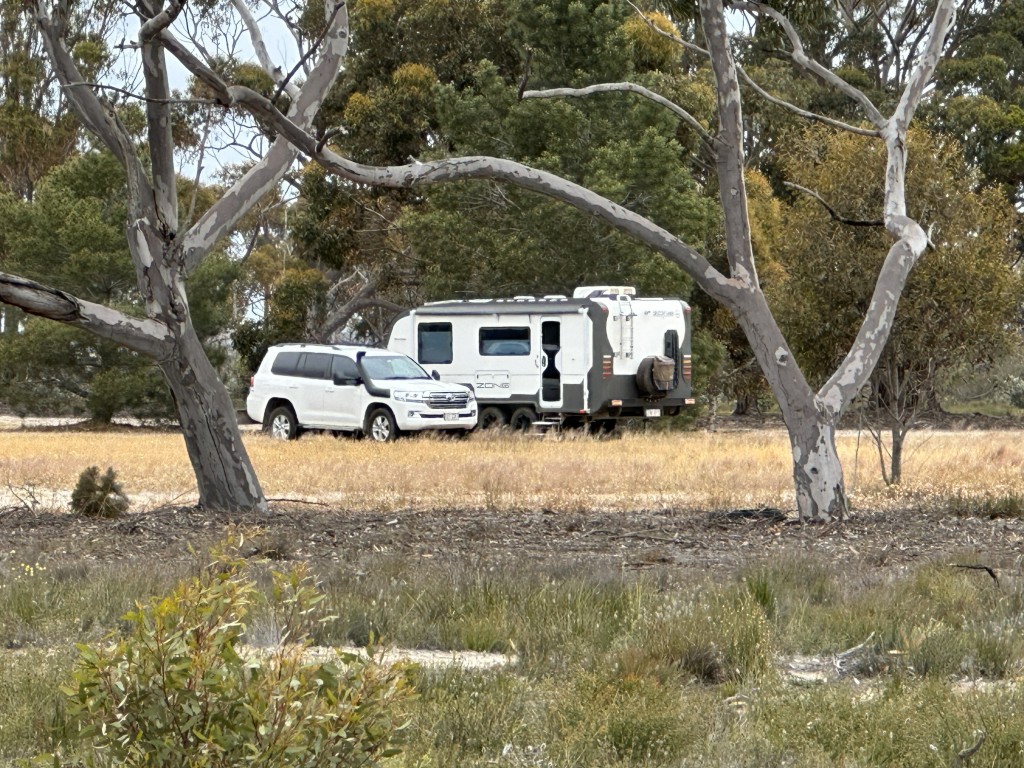
The Old School Site Camping Ground close to Fitzgerald seemed like a central location to explore the Stirling Ranges, a few lakes and small towns.
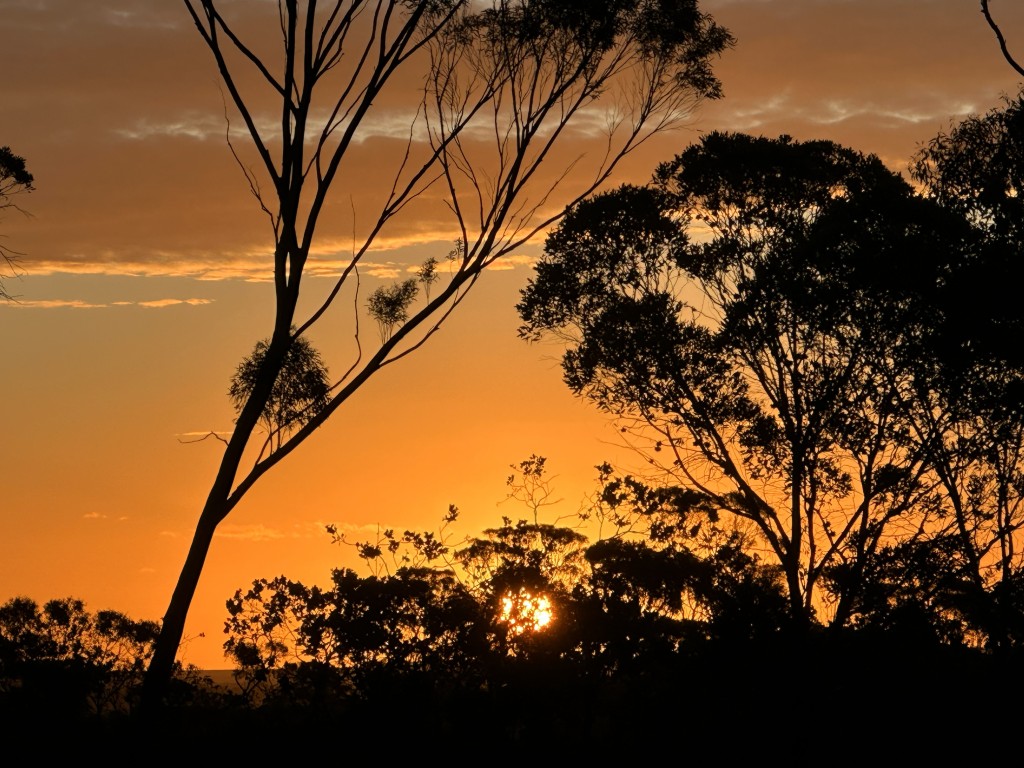
Sunsets at our campsite at the Old School Site Camping Ground in Fitzgerald were great.
We were are looking forward to explore the Stirling Ranges and heading back to the coast.